1188 ผลลัพธ์ สำหรับ 

%de%

 ลองค้นหาคำในรูปแบบอื่น: de, -de-
  NECTEC Lexitron Dictionary EN-TH 
(prf) ลงSee Also: จาก
(n) หญิงสาวที่ออกงานสังคมเป็นครั้งแรก (คำย่อของ debutante)Syn. debutante
(sl) แน่นอน
(abbr) คำย่อของ degree (s)
(n) ซ่องโจรSee Also: รังโจร
(n) ที่ซ่อนสำหรับเด็กSee Also: ที่หลบซ่อนSyn. lair, hideout
(n) ห้องนั่งเล่นSee Also: ห้องพักผ่อน, ห้องส่วนตัวSyn. family room
(abbr) คำย่อของ depart, departure, department และ deposed
(vt) ทำให้เปียกด้วยน้ำค้างSee Also: ทำให้ชุ่มด้วยน้ำค้าง
(n) หยดเล็กๆ (ทางวรรณคดี)See Also: หยดเหงื่อ, หยาดน้ำตา
(n) ยาแอมเฟตามีน (คำสแลง)Syn. dextroamphetamine
(n) บทกวีSyn. poem
(n) เมืองเอเดนในประเทศเยเมน
(n) นายทหารผู้ช่วยSyn. aid-de-camp, aide-de-camp
(n) ผู้ช่วยSyn. assistant
(vt) กริยาช่องที่ 2 ของ bid
(vt) คอย
(vt) กริยาช่องที่ 2 และ 3 ของ bide
(vt) กริยาช่องที่ 2 ของ bide
(vt) เป็นลางSee Also: เป็นลางบอกเหตุSyn. augur
(vi) เป็นลางSee Also: เป็นลางบอกเหตุSyn. foretell
(vt) ยกให้Syn. surrender, yield
(suf) ผู้ฆ่าSee Also: การฆ่า
(vt) เข้ารหัสSee Also: ใส่รหัส, ป้อนรหัสSyn. encode, encipher, cypher, encrypt
(vt) เขียนโปรแกรมคอมพิวเตอร์
(vt) ถอดรหัสพันธุกรรม
(n) ประมวลกฎหมาย
(prf) ขจัดSee Also: กลับกัน, ลด
(n) คนตาย (พหูพจน์)See Also: ผู้ตายSyn. dead people
(adj) ซึ่งไม่มีผิดพลาดSee Also: ซึ่งไม่พลาด, ซึ่งแม่นยำSyn. accurate, sure
(adj) ซึ่งไม่มีเสียงสะท้อน (ห้อง)See Also: ซึ่งไม่มีเสียงก้อง
(adj) ซึ่งไร้ความรู้สึกSee Also: ซึ่งไม่ตอบสนองSyn. deadened, unresponsive, insensitive, unsensible, unfeeling, numb
(adj) ตรงSyn. exact, precise
(adj) สงบเงียบSee Also: เงียบเชียบ, สงัด
(adj) สนิท (จอด)Syn. complete
(adj) สูญพันธุ์See Also: สาบสูญ, สูญสิ้นSyn. defunct, done for, extinct, vanished
(adj) เหน็ดเหนื่อยSee Also: ซึ่งหมดแรง, เหนื่อยมาก, เมื่อยล้าSyn. exhausted, tired
(adj) แห้งแล้งSee Also: เสื่อมสภาพSyn. infertile, barren, unproductiveAnt. fertile
  Longdo Approved EN-TH 
(adj) ทันสมัย
(n) ความผิดปกติของเอกลักษณ์ทางเพศSee Also: homosexual slang gay, queer, dyke
(n) เขตปลอดทหาร
(n) ภาวะชะงักงันทางการเมือง
(n) ช่องมองภาพของกล้องถ่ายรูปSee Also: Finder, Picture finder
(phrase, slang) (เงิน) เพียงพอสำหรับค่าใช้จ่ายต่างๆ เช่น I need 2, 000 Yen to tide me over until tuesday.
(vt) แปรแถวตอนเป็นแถวหน้ากระดาน(ทางทหาร), เคลื่อนกำลังพลพร้อมอาวุธไปอยู่ในตำแหน่งที่พร้อมจะต่อสู้ (ทางทหาร), การตั้งแถวเตรียมตัวออกรบ, จัดเพื่อใช้งาน
ผู้นำในอุตสาหกรรมหรือธุรกิจแขนงหนึ่งๆ
(n) ผู้เข้าร่วม (ในการประชุม, งานต่าง)Syn. attendant
(name) อาคารศูนย์การค้าและธุรกิจขนาดใหญ่ มักสร้างขึ้นตามเมืองใหญ่ๆทั่วโลก
(n) ยอดผู้เสียชีวิตจากอุบัติภัยหรือเหตุการณ์ต่างๆ
(n) เงินกู้ยืมเพื่อการศึกษา(โดยทั่วไป ในระดับอุดมศึกษา) เช่น Did you apply for a student loan?
(n, (amer)) รหัสไปรษณีย์
(n) กระทรวงกลาโหม
(n) การสกัดสารคาเฟอีนออก, การแยกสารคาเฟอีนออก
(vt) ปลดประจำการ. ปลดออกจากตำแหน่ง
(vt) แต่งตัว, ประดับตกแต่ง เช่น John Soto Jr., 6, was decked out in a Luke Skywalker costume.
(adj) กำลังดำเนินต่อไป เช่น A complete modernization of the main terminal is underway and is expected to take about six months to complete.See Also: in progressSyn. in motion
(n) ญัตติไม่ไว้วางใจ
(vi) ดื้อโค้ง (พวงมาลัยรถ)
(n) อาการดื้อโค้ง (ของพวงมาลัยรถ)
(phrase) เรื่องคอขาดบาดตาย
(n) ข่าวหรือข้อมูลสั้นๆที่แทรกอยู่ข้างๆของข่าวหรือข้อความหลักทั้งในสิ่งพิมพ์บนเว็บและในหนังสือ โดยมากมักจะมีความเกี่ยวข้องกับข้อความหลัก
(n) โรคฟันผุSyn. tooth decay
(n) ท่อกลวงในฟันที่เกิดจากโรคฟันผุSee Also: dental caries
(n) หลักฐาน
(n, phrase) ช่วงความเชื่อมั่น
(n) เครื่องอบแห้ง สำหรับผัก ผลไม้ หรือเนื้อสัตว์
(n) ศพนิรนาม
(vt) ปลดออกจากประจำการ(อาวุธ, เรือรบ), ปลดออกจากตำแหน่งSyn. take out of commission
(vi) ล้มละลาย, เจ๊ง เช่น That bookstore is going under.
[เด จา วู] (n) |ที่มา:ภาษาฝรั่งเศส| ภาพหรือเหตุการณ์ที่รู้สึกว่าเคยเห็นหรือประสบมาก่อน
(v) เกิดขึ้นในเวลาใกล้เคียงกัน
(n) การโยนคนออกนอกหน้าต่าง
(n) กรมประชาสัมพันธ์
(n) รมช.มหาดไทย, รัฐมนตรีช่วยว่าการกระทรวงมหาดไทย
(n, name) เอคริลเอไมด์ เป็นสารประกอบอินทรีย์ชนิดหนึ่งที่มีหมู่เอไมด์แทนที่หมู่ไฮดรอกซิลของกรดโพรพีโนอิก (propenoic acid) สารประกอบชนิดนี้เกิดได้จากการอบหรือทอดอาหารประเภทคาร์โบไฮเดรท และจากการทดลองในสัตว์สารชนิดนี้สามารถทำให้ระบบประสาทกลางเป็นอัมพาตได้ อีกทั้งยังเป็นสารก่อมะเร็ง
(n) ทั่วทั้งองค์กร
(n) ผู้นำวง, วาทยากรSee Also: music director, band leaderSyn. conductor
(n) ผนังยาง (ล้อรถยนต์), แก้มยางรถ (ล้อรถยนต์) ผนังด้านข้าง (สิ่งก่อสร้าง)Syn. side-walls
(n) เครื่องทำลายเอกสาร
(n) สิทธิของผู้ปรับปรุงพันธุ์ ย่อว่า PBR
(n, vt) การสั่งซื้อสินค้าซึ่งยังไม่สามารถส่งมอบได้ในขณะนั้นเนื่องจากสินค้าหมด และผู้ขายจะส่งมอบได้เมื่อมีสินค้าพร้อมส่ง
(adj) ย่อยสลายได้ตามธรรมชาติ, ย่อยสลายในทางชีวภาพ
หนี้นอกระบบ
เหมาะสมกันอย่างยิ่ง เช่น a couple who are just made for each other
(n) ผู้ซึ่งมีลักษณะควรค่าแก่การเป็นแบบอย่างให้กับผู้อื่น
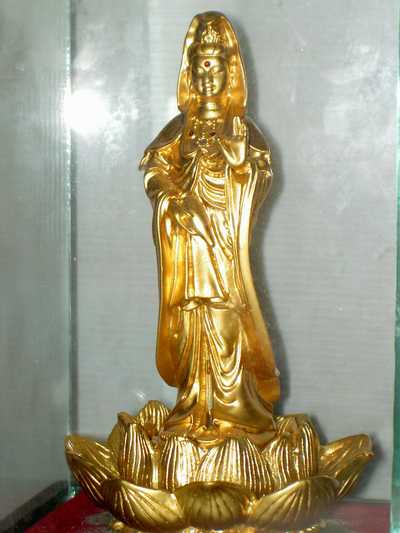
(n) เจ้าแม่กวนอิม, เทพเจ้าแห่งความเมตตา (ซึ่งหมายถึงเจ้าแม่กวนอิม โดยในภาษาอื่นอาจเรียกกันไปในหลายๆ คำ เช่น Quan Yin, Kuan Yim เป็นต้น)
Image:
goddess of mercy
(n) พืชที่กินปุ๋ยมากหรือบ่อย เช่น A basic rule is to remember NOT to plant a heavy feeder after a light feeder, plant a heavy feeder then a light feeder or a root crop.
(adj) ที่สร้างความหลงผิด, ซึ่งหลอกลวง, ที่ลวงตา เช่น Deceptive coloration is when an organism's color fools either its predators or prey.
  Hope Dictionary 
(เอโด') fr. ครั้งละสอง, สอง
(อาลาโมด') adj., adv. ตามแฟชั่น, บริการด้วยไอสกริม
พันธุ์วัวชนิดหนึ่งที่ไร้เขา
(อะไบดฺ') vi. รักษาหรือ ปฏิบัติตาม, อาศัยอยู่, ทน, ยืดถือ, รอคอย. -abidance n.Syn. stay, bear, liveAnt. evade
(อะโบด') n. ที่พักอาศัยSyn. home
(อะโบด') vi., vt. กริยาช่อง 2 และ 3 ของ abideSyn. residence, dwelling
(อะบอร์' ทิไซดฺ) n. การทำแท้ง, สารที่ทำให้เกิดการแท้งSyn. feticide
(อะเบรด') vt. ขัด, ถู, ชะ, ครูดSyn. erode
(แอบ' เซนไม' เดด) adj. สติลอย -absent-mindedness n.
หลักการที่ว่าขบวนการของโลกเป็นการแสดงออกและบรรลุผล (spiritual principle)
ปรัชญาที่เกี่ยวกับ absolute idea -absolute idealist n.
ขนาดของดาวที่ปรากฏแก่ผู้ส่องดูในระยะ 10 parsecs (32.6 ปีแสง)
(แอคคะเด็ม' มิเคิล) = academic
(ฝรั่งเศส) fr. Academy
(อะแคค' ดิมิสซึม) n. academicism. สำนักปรัชญาที่ก่อตั้งโดย
(อะแคด' ดิมี) โรงเรียน, สำนัก, สภา, สถาบันการศึกษา, กลุ่มผู้ทรงคุณวุฒิ, สำนักปัญญาปรัชญาของ Plato, วิทยสถานSyn. school
(อะแค' ริไซดฺ) n. ยาฆ่าแมลงวันจำพวกเห็บ
(แอคซีด') vt. เห็นด้วย, รับคำ, ยอมตาม, เสด็จขึ้นเสวยราชสมบัติ, ยินยอม, กำลังจะมาถึง, กำลังครอบงำ, เข้าร่วม. -accedence n.
(แอค' ซิเดินซฺ) n. อักขรวิธี, การศึกษาเกี่ยวกับการเปลี่ยนแปลงของรูปคำSyn. rudiment
(แอค' ซิเดินทฺ) adj., n. บังเอิญ, อุบัติเหตุ, ส่วนประกอบ, พื้นทีไม่เรียบSyn. mischance
(แอคซิเดน' เทิล) adj., n. บังเอิญ, ส่วนประกอบ, ลักษณะสังกัด, ส่วนที่ไม่เรียบ, เครื่องหมาย (ดนตรี) ชั่วคราว. -accidentally adv.Syn. unexpected
เป็นภาวะลวงที่มี albumin ในปัสสาวะ
บันไดข้างกาบเรือ
(แอสซิแทล' คิไฮดฺ) chem. สารเคมีชนิดหนึ่งที่ ใช้ฉาบแก้วให้เป็นกระจก และใช้ในการสังเคราะห์อินทรียสาร
(แอสซิแทม' ไมดฺ) chem. สารเคมีชนิดหนึ่งที่ใช้ในการสังเคราะห์อินทรีย์สาร (acetamid)
(แอสซิแทน' นิลิด) chem. สารเคมีชนิดหนึ่งที่ใช้เป็นยาลดไข้ แก้ปวดศีรษะและรูมาติซึม
สารเคมีชนิดหนึ่งที่ ใช้ในการผลิตพลาสติกและใยสังเคราะห์
(แอสซิดทฟิเนท' ทิดิน) chem. ยาลดไข้และบรรเทาปวด.Syn. phenacetin
(เอ' ซิดู' ซี) เกมชนิดหนึ่ง backgammon great
ดัชนีทางโภชนาการ
(แอคละมิค' เดียส) adj., Bot. ซึ่งไร้ calyx และไร้ corolla
ภาวะที่มีการบวมที่นิ้วมือและนิ้วเท้า
(แอค' ทิไนดฺ) chem. อนุกรมของธาตุกัมมันตภาพรังสีที่เริ่มจากธาตุ Actinium จนถึงธาตุ Lawrencium
(แอด' เดนดฺ) n. เลขหรือจำนวนที่บวกเข้าด้วยกัน
(อะเดน' เดิม) n. (pl. -da) สิ่งที่เพิ่มเข้า, การเพิ่มหรือบวกเข้า, ภาคผนวก
(แอด' เดอะ) n. ผู้บวก, ตัวบวก
(แอด' เดอะ) n. งูพิษชนิดหนึ่งในในยุโรป
(แอด' เดอซทัง) n. ต้นเฟิร์นชนิดหนึ่ง (Ophioglossum) (a fern)
(อาด' เดน, แอด' เดน) ชื่อเนื้อเยื่อน้ำเหลืองที่บวมโตในลำคอส่วนบน (a seaport in Yemen)
(คำเสริมหน้า) adeno-
เอนไซม์ที่พบในม้ามและตับอ่อนที่ทำให้ adenine เปลี่ยนเป็น hypoxanthine และ ammonia
ต่อมน้ำเหลืองโตผิดปกติ
(แอด' ดินิน) n. แอลกาลอยด์ชนิดหนึ่งจากชา
(คำเสริมหน้า) ซึ่งเกี่ยวกับต่อม.Syn. aden-
(แอดดิโนคาร์ซิโน' มา) n., (pl. -mas, mata) มะเร็งของต่อม -adenocarcinomatous adj.)
พูหน้าหรือส่วนที่เป็นต่อมของ hypothesis cere-briadenohypophyseal
(แอดดินอยเดค' โทมี) การตัดต่อม adenoids ออก (removing the adenoids)
(แอด' ดินอยด์) n. ชื่อเนื้อเยื่อน้ำเหลืองที่บวมโตในลำคอส่วนบน
(แอดดิโน' มะ) n., (pl. -mas, mata) เนื้องอกจากต่อมหรือส่วนที่คล้ายต่อม -adenomatous adj.
ดูที่ hyperthyrodism
  Nontri Dictionary 
(vi) อาศัยอยู่
(vt) ทนทาน, ยึดถือ, รอคอย
(n) ที่อาศัย, ที่อยู่, ที่พัก
(vt pt และ pp ของ) abide
(n) การทำแท้ง
(vt) ขูด, ขัด, ถู, ชะ, ครูด, ถลอก
(adj) เหม่อ, เหม่อลอย, ใจลอย
(adj) เชิงวิชาการ, เกี่ยวกับโรงเรียน, เกี่ยวกับสถาบันการศึกษา
(n) นักวิชาการ
(n) สถานศึกษา
(vi) ยอม, ยอมจำนน, เห็นพ้อง, ยอมตาม, บรรลุ
(n) อุบัติเหตุ, อุปัทวเหตุ, เหตุบังเอิญ
(adj) เป็นอุบัติเหตุ, โดยบังเอิญ
(adv) อย่างบังเอิญ, เป็นเหตุบังเอิญ
(n) การได้รับเกียรติ
(n) ภาคผนวก, บทเสริม, บทต่อท้าย
(n) อสรพิษ
(adj) ชำนาญ, เชี่ยวชาญ, มีประสิทธิภาพ, เก่ง
(adj) เพียงพอ, เหมาะสม
(n) ดาดฟ้าท้ายเรือ
(n) ทหารคนสนิท, นายทหารผู้ช่วย, องครักษ์
(n) ผู้ช่วย, ผู้สงเคราะห์, ผู้อุปถัมภ์
(n) ต้นไม้ชนิดหนึ่ง
(n) เทศมนตรี, สมาชิกสภาเทศบาล
(vi) พูดถึง, หมายถึง, พาดพิงถึง, อ้างถึง
(pre) ใกล้ชิด, เทียบ(ท่า), อยู่ติดกับ, เคียงกับ
(n) ความสูง, ระดับสูง, เบื้องบน, ยอด
(n) ความกว้าง, ช่วงกว้าง, ความสมบูรณ์
(n) ขั้วไฟฟ้าบวก
(adj) นำหน้า, มาก่อน, แต่ก่อน
(n) สิ่งที่มาก่อน, สิ่งที่เกิดก่อน, คำนำหน้า
(n) บรรพบุรุษ, บรรพชน, กำพืด, พงศาวดาร
(n) สิ่งที่ตรงข้ามกัน
(n) ความถนัด, ความสามารถ, ความฉลาด, ไหวพริบ, ปฏิภาณ
(n) ทางเดินมีหลังคาเป็นรูปโค้ง
(n) ผู้ช่วยบาทหลวง
(adj) เร่าร้อน, รุนแรง, กระตือรือร้น, ขะมักเขม้น
(adj) สูงขึ้น, เฟื่องฟู, รุ่งเรือง, มีอำนาจ, มีอิทธิพลเหนือ
(n) ตำแหน่งสูง, อิทธิพล
(adv) ไปทางหนึ่ง, ไปด้านหนึ่ง, เลี่ยงไป
(n) การพูดป้องปาก
(adv) คร่อม
(adv) ขาดสะบั้น, กระจายออก, แยกจากกัน
(n) อาการ, ท่าที, ท่าทาง
(n) ขบวนรถยนต์
(n) เครื่องคิดเลขอัตโนมัติ, เครื่องเรียงเลขอัตโนมัติ
(adj) หลังมือ, ไปด้านซ้าย, คดโกง
(n) ส่วนหลัง, ด้านหลัง, ข้างหลัง
(vi) ถอยกลับ, เสื่อม, ย้อนกลับ
(vt pt ของ) bid
  ศัพท์บัญญัติราชบัณฑิตยสถาน 
เกสรเพศเมียเป็นหมัน [พฤกษศาสตร์ ๑๘ ก.พ. ๒๕๔๕]
เซตอันดับบางส่วน [คณิตศาสตร์๑๙ ก.ค. ๒๕๔๗]
ตัวเบียนบังเอิญ [แพทยศาสตร์ ๖ ส.ค. ๒๕๔๔]
ลำต้นคล้ายใบ [พฤกษศาสตร์ ๑๘ ก.พ. ๒๕๔๕]
ก้านใบกลายเป็นใบ [พฤกษศาสตร์ ๑๘ ก.พ. ๒๕๔๕]
๑. ปล้นทรัพย์ (ก. อาญา)๒. ทรัพย์เชลย (ก. ระหว่างประเทศ) [นิติศาสตร์ ๑๑ มี.ค. ๒๕๔๕]
วิชาทันตกรรมประดิษฐ์ [ทันตแพทยศาสตร์๑๓ มี.ค. ๒๕๔๕]
การออกแบบผลิตภัณฑ์ [ศิลปะ ๑๑ มี.ค. ๒๕๔๕]
แบบคลื่นเรียงแนวนอน [ยานยนต์ ๑๒ มี.ค. ๒๕๔๕]
๑. -ทันตกรรม, -ทันตศาสตร์๒. -ปริทันต์ [ มีความหมายเหมือนกับ peridental; periodontal ๑ ] [แพทยศาสตร์ ๖ ส.ค. ๒๕๔๔]
โรคปริทันต์อักเสบ [แพทยศาสตร์ ๖ ส.ค. ๒๕๔๔]
ไฟอะลายด์ [พฤกษศาสตร์ ๑๘ ก.พ. ๒๕๔๕]
ประชาธิปไตยของปวงชน [รัฐศาสตร์ ๑๗ ส.ค. ๒๕๔๔]
๑. -ปริทันต์ [ มีความหมายเหมือนกับ paradental ๒ ]๒. -เอ็นยึดปริทันต์, -อวัยวะปริทันต์ [แพทยศาสตร์ ๖ ส.ค. ๒๕๔๔]
ฝีปริทันต์ [แพทยศาสตร์ ๖ ส.ค. ๒๕๔๔]
พยานหลักฐานที่น่ารับฟัง [นิติศาสตร์ ๑๑ มี.ค. ๒๕๔๕]
การฆ่าบิดา, ผู้ฆ่าบิดา [นิติศาสตร์ ๑๑ มี.ค. ๒๕๔๕]
๑. การยื่น, การย้อย๒. มดลูกย้อย [ มีความหมายเหมือนกับ hysteroptosis; procidentia uteri ] [แพทยศาสตร์ ๖ ส.ค. ๒๕๔๔]
รหัสไปรษณีย์ [เทคโนโลยีสารสนเทศ ๑๑ มี.ค. ๒๕๔๕]
ความผิดฐานฆ่าบิดามารดา, ผู้ฆ่าบิดามารดา [นิติศาสตร์ ๑๑ มี.ค. ๒๕๔๕]
แบบจำลองของพาเรโต [ประชากรศาสตร์ ๔ ก.พ. ๒๕๔๕]
การครอบครองโดยรับสิทธิจากผู้อื่น [นิติศาสตร์ ๑๑ มี.ค. ๒๕๔๕]
ข้อกำหนดจ่ายค่าสินไหมทดแทนบางส่วน [ประกันภัย ๒ มี.ค. ๒๕๔๕]
มดลูกย้อย [ มีความหมายเหมือนกับ procidentia ๒ ] [แพทยศาสตร์ ๖ ส.ค. ๒๕๔๔]
ก่อนลำดับ [คอมพิวเตอร์ ๑๙ มิ.ย. ๒๕๔๔]
ผู้ให้บริการ [คอมพิวเตอร์ ๑๙ มิ.ย. ๒๕๔๔]
ผู้ให้บริการ, ผู้จัดหา [เทคโนโลยีสารสนเทศ ๑๑ มี.ค. ๒๕๔๕]
การพิสูจน์หนี้ [นิติศาสตร์ ๑๑ มี.ค. ๒๕๔๕]
การประกันภัยความรับผิดจากวิชาชีพ [ประกันภัย ๒ มี.ค. ๒๕๔๕]
หนี้ที่อาจพิสูจน์ได้ในคดีล้มละลาย [นิติศาสตร์ ๑๑ มี.ค. ๒๕๔๕]
๑. บัญญัติ, กำหนด๒. จัดหาให้ [นิติศาสตร์ ๑๑ มี.ค. ๒๕๔๕]
อันดับบางส่วน [คณิตศาสตร์๑๙ ก.ค. ๒๕๔๗]
สาเหตุสำคัญของการตาย [ประชากรศาสตร์ ๔ ก.พ. ๒๕๔๕]
ลูกหนี้ชั้นต้น [นิติศาสตร์ ๑๑ มี.ค. ๒๕๔๕]
ที่อยู่อันเป็นแหล่งสำคัญ [นิติศาสตร์ ๑๑ มี.ค. ๒๕๔๕]
การทำก่อน [คอมพิวเตอร์ ๑๙ มิ.ย. ๒๕๔๔]
ตัดต่อมพาราไทรอยด์ [แพทยศาสตร์ ๖ ส.ค. ๒๕๔๔]
การตัดต่อมพาราไทรอยด์ [แพทยศาสตร์ ๖ ส.ค. ๒๕๔๔]
มีความหมายเหมือนกับ salary savings insurance [ประกันภัย ๒ มี.ค. ๒๕๔๕]
หน้าที่นำสืบ, ภาระการพิสูจน์ [นิติศาสตร์ ๑๑ มี.ค. ๒๕๔๕]
ชักพา, ล่อไป [นิติศาสตร์ ๑๑ มี.ค. ๒๕๔๕]
ผู้ชักพาหญิง (ไปเป็นโสเภณี) [นิติศาสตร์ ๑๑ มี.ค. ๒๕๔๕]
๑. การตัดถุงหุ้มหัวใจ๒. การตัดเยื่อหุ้มหัวใจ [แพทยศาสตร์ ๖ ส.ค. ๒๕๔๔]
เป็นประธาน [นิติศาสตร์ ๑๑ มี.ค. ๒๕๔๕]
ประธานาธิบดี [รัฐศาสตร์ ๑๗ ส.ค. ๒๕๔๔]
๑. ประธาน, ประธานที่ประชุม, นายก๒. อธิการบดี [รัฐศาสตร์ ๑๗ ส.ค. ๒๕๔๔]
ประธานาธิบดี [นิติศาสตร์ ๑๑ มี.ค. ๒๕๔๕]
๑. ประธาน, ประธานที่ประชุม (ก. ทั่วไป)๒. กรรมการผู้จัดการ (ก. พาณิชย์) [นิติศาสตร์ ๑๑ มี.ค. ๒๕๔๕]
  คลังศัพท์ไทย (สวทช.) 
การศึกษาแบบจำลองการปฏิสัมพันธ์ [เทคโนโลยีการศึกษา]
เจตคติ [เทคโนโลยีการศึกษา]
การแก้จุดบกพร่อง [เทคโนโลยีการศึกษา]
ช่องรับส่งผ่านสัญญาณ [เทคโนโลยีการศึกษา]
วีดิทัศน์, คำว่า วีดิทัศน์ เป็นศัพท์บัญญัติตรงกับคำภาษาอังกฤษว่า video (อ่านว่า วิ-ดี-โอ). ศาสตราจารย์ ดร. คุณบรรจบ พันธุเมธา เป็นผู้คิดคำนี้ขึ้น โดยเห็นว่า คำว่า “วีติ” ในภาษาสันสกฤต แปลว่า “ความสนุกสนานรื่นเริง” มีเสียงใกล้เคียงกับคำว่า video ในภาษาอังกฤษ เมื่อเติมคำว่า “ทัศน์” ลงไปข้างท้าย ก็อาจจะแปลได้ว่า “เครื่องที่แสดงภาพเพื่อความสนุกสนานรื่นเริง” คำนี้มักจะเขียนตามคำอ่าน ซึ่งพบว่ามีการใช้สระผิด เช่น เขียนว่า วิดีทัศน์ หรือ วีดิโอ คำที่ถูกต้องคือ วีดิทัศน์ (ว สระอี ด สระ อิ ..) และ วิดีโอ (ว สระอิ ด สระอี ...) [เทคโนโลยีการศึกษา]
ดัชนี [เทคโนโลยีการศึกษา]
วิทยานิพนธ์ [เทคโนโลยีการศึกษา]
ดัชนีผู้แต่ง [เทคโนโลยีการศึกษา]
ดรรชนีวารสาร [เทคโนโลยีการศึกษา]
หนังสือนำเที่ยว [เทคโนโลยีการศึกษา]
ดรรชนีชื่อเรื่อง [เทคโนโลยีการศึกษา]
ดรรชนีหัวแม่มือ [เทคโนโลยีการศึกษา]
หน้าคำอุทิศ [เทคโนโลยีการศึกษา]
โคเดกซ์ [เทคโนโลยีการศึกษา]
ระบบสนับสนุนการตัดสินใจ [เทคโนโลยีการศึกษา]
การจัดหมู่ระบบทศนิยมดิวอี้ [เทคโนโลยีการศึกษา]
สไลด์ [เทคโนโลยีการศึกษา]
วีดิทัศน์ [เทคโนโลยีการศึกษา]
หุ่นจำลอง [เทคโนโลยีการศึกษา]
ลักษณะทางกายภาพ [เทคโนโลยีการศึกษา]
เครือข่ายระยะไกล [เทคโนโลยีการศึกษา]
เวิล์ดไวด์เว็บ [เทคโนโลยีการศึกษา]
โมเด็ม [เทคโนโลยีการศึกษา]
บาร์โคด [เทคโนโลยีการศึกษา]
บริการสาระสังเขปและดัชนีExample:<p>บริการสาระสังเขปและดัชนี เป็นบริการสารสนเทศประเภทหนึ่ง ที่ห้องสมุดหรือสถาบันบริการสารสนเทศจัดให้มีขึ้นเพื่อให้บริการแก่ผู้ใช้บริการ <p>สาระสังเขปและดัชนี หมายถึง การย่อเนื้อหาหรือสาระสำคัญของเอกสารในรูปแบบที่สั้นและมีความถูกต้อง ช่วยให้ผู้อ่านเข้าใจ และได้เนื้อหาข้อมูลที่เป็นประโยชน์ สามารถวิเคราะห์เนื้อหาของเอกสารฉบับนั้นว่าตรงกับความต้องการหรือไม่ และมีความจำเป็นหรือไม่ที่ต้องไปอ่านเอกสารต้นฉบับนั้นอย่างละเอียดอีกครั้ง <p>ดัชนี (Index) หมายถึง คำ วลี ข้อความ หรือคำศัพท์ที่กำหนดขึ้น เพื่อใช้เป็นตัวแทนของสารสนเทศ เป็นเครื่องมือชี้นำผู้ใช้ไปยังข้อมูลหรือแหล่งข้อมูลตามที่ผู้ใช้ต้องการ <p>สาระสังเขปหรือบทคัดย่อ (Abstract) คือ เนื้อเรื่องย่อหรือสาระสำคัญที่เป็นตัวแทนของเอกสาร โดยมีรูปแบบที่สั้น กะทัดรัด และมีความถูกต้อง แม่นยำ สาระสังเขปจะมุ่งเน้นถึงสาระสำคัญตามลำดับเนื้อหาของเอกสารต้นฉบับ ซึ่งส่วนใหญ่จะเป็นบทความจากเอกสารวิชาการในสาขาวิชาต่าง ๆ โดยเฉพาะสาขาวิชาวิทยาศาสตร์และเทคโนโลยี รายงานการศึกษาวิจัย รายงานการประชุมสัมมนา สิทธิบัตร ตลอดจนสิ่งพิมพ์อื่น ๆ ที่มีความสำคัญและเข้าถึงได้ยาก สาระสังเขปจะต้องมีความครบถ้วนสมบูรณ์ในตัวเอง และให้รายละเอียดทางบรรณานุกรม เพื่อให้ผู้ใช้สามารถค้นคว้าจากเอกสารต้นฉบับได้ <p>ลักษณะของสาระสังเขปที่ดี คือ มีความสั้น กะทัดรัด กระชับ มีความถูกต้องแม่นยำ มีความชัดเจนและสมบูรณ์ในตัวเอง และมีการยึดถือข้อเท็จจริง โดยไม่เสนอความคิดเห็นส่วนตัวหรือประเมินคุณค่าในการทำสาระสังเขป ผู้เขียนต้องคัดเลือกหรือเรียบเรียงเนื้อหาสาระตามเอกสารต้นฉบับ <p>สาระสังเขปที่สมบูรณ์ประกอบด้วยส่วนสำคัญ 3 ส่วน คือ ส่วนอ้างอิง ส่วนเนื้อหา และส่วนชื่อผู้เขียนสาระสังเขป <p>ความสำคัญของสาระสังเขป คือ การช่วยเสริมให้ดัชนีและบรรณานุกรมมีคุณค่ามากขึ้น โดยการจัดทำสาระสังเขปไว้ที่ท้ายรายการข้อมูลทางบรรณานุกรมในแต่ละรายการ เป็นการเพิ่มเนื้อเรื่องย่อให้ผู้ใช้สามารถอ่านเพื่อพิจารณาตัดสินใจได้รวดเร็วขึ้น <p>สมาคมวิชาชีพที่จัดทำสาระสังเขปและดัชนี เช่น National Federation of Abstracting and Information Services (NFAIS), USA เป็นองค์กรรวมหน่วยงานที่ให้บริการจัดทำสาระสังเขปและดัชนี <P>ตัวอย่างสารสนเทศ ที่จัดอยู่ในบริการสาระสังเขปและดัชนี เช่น <p>1. วารสารสาระสังเขปทางเคมี : Chemical Abstract (CA) จัดทำโดย American Chemical Society (ACS), USA <p>2. ดัชนีทางด้านสาขาวิชาวิศวกรรมศาสตร์ : EI : Compendex (Engineering Index) จัดทำโดย American Society of Mechanical Engineers (ASME), USA <p>3. ดัชนีทางด้านสาขาวิชาแพทยศาสตร์ : Index Medicus จัดทำโดย National Library of Medicine (NLM), USA <p>บรรณานุกรม <p>มหาวิทยาลัยสุโขทัยธรรมาธิราช. (2546). เอกสารการสอนชุดวิชาการวิเคราะห์สารสนเทศ : Information analysis หน่วยที่ 12-15. นนทบุรี : โรงพิมพ์มหาวิทยาลัยสุโขทัยธรรมาธิราช.  [บรรณารักษ์และสารสนเทศศาสตร์]
ห้องสมุดสถาบันอุดมศึกษา [บรรณารักษ์และสารสนเทศศาสตร์]
รายการเิพิ่มExample:รายการอื่นๆ ที่มีความสำคัญรองลงมาจากรายการหลัก เพื่อเป็นช่องทางให้ผู้ใช้ค้นหาหนังสือได้สะดวกมากขึ้น รายการเพิ่ม ได้แก่ ชื่อบุคคลหรือชื่อสถาบัน/นิติบุคคล ที่เป็นผู้รวบรวม ผู้แปล ผู้วาดภาพ บรรณาธิการ ฯลฯ ชื่อเรื่อง และชื่อชุด  [บรรณารักษ์และสารสนเทศศาสตร์]
ดัชนีผู้แต่งExample:<p><img src="http://www.thaiglossary.org/sites/default/files/20120416-Author-Index1.jpg" alt="Author Index"> <p>เป็นการนำชื่อผู้แต่ง ซึ่งอาจเป็นชื่อบุคคล นิติบุคคล หรือ หน่วยงาน องค์กร สถาบัน ลงเป็นรายการหลัก จะปรากฏในดัชนีซึ่งแบ่งตามลักษณะของสิ่งพิมพ์ที่นำมาจัดทำดัชนี ได้แก่ ดัชนีวารสาร ดัชนีหนังสือพิมพ์ และดัชนีหนังสือท้ายเล่ม [บรรณารักษ์และสารสนเทศศาสตร์]
บาร์โคด, รหัสแท่ง [บรรณารักษ์และสารสนเทศศาสตร์]
บริการจัดส่งเอกสารทางอิเล็กทรอนิกส์ [บรรณารักษ์และสารสนเทศศาสตร์]
คำระบุประเภทวัสดุอย่างกว้าง ๆ [บรรณารักษ์และสารสนเทศศาสตร์]
การย่อหน้า [บรรณารักษ์และสารสนเทศศาสตร์]
ดรรชนี หรือ ดัชนีExample:ดรรชนี หรือ บัญชีค้นคำ (index) เป็นการนำหัวข้อย่อยๆ และคำบางคำ ที่ปรากฏในเนื้อเรื่อง มาจัดเรียงตามลำดับอักษร แล้วกำกับด้วยเลขหน้าที่หัวข้อย่อย และคำบางคำนั้นปรากฏอยู่ เพื่อช่วยให้ผู้อ่าน ได้ค้นหาเรื่องราวไปยังข้อมูลและแหล่งข้อมูลได้ตามต้องการและรวดเร็วขึ้น และเป็นการควบคุมทางบรรณานุกรมสำหรับสารสนเทศในเรื่องใดเรื่องหนึ่ง หรือกลุ่มใดกลุ่มหนึ่งตามวัตถุประสงค์ของผู้จัดทำดรรชนี <p>โครงสร้างของดรรชนี ประกอบด้วยข้อมูล 2 ส่วน ดังนี้คือ <p>1. คำ กลุ่มคำ วลี ข้อความ ที่ใช้แทนเนื้อหา อาจเป็นคำที่ปรากฏอยู่ในเอกสาร เป็นคำที่ปรากฏใช้บ่อบในเอกสาร หรือเป็นคำศัพท์มาตรฐานที่นำมาจากคู่มือหัวเรื่อง หรือศัพท์สัมพันธ์ <p>2. ข้อมูลชี้แหล่งหรือตำแหน่งของสารสนเทศ เช่น ข้อมูลทางบรรณานุกรมของดรรชนีวารสาร ได้แ่ก่ ชื่อผู้แต่ง ชื่อวารสาร ปีที่ ฉบับที่ วันเดือนปี และเลขหน้า เล่มที่ และหน้าที่ปรากฏเนื้อหา เป็นต้น <p>ประเภทของดรรชนี จำแนกได้ ดังนี้ <p>1. จำแนกตามทรัพยากรสารสนเทศที่นำมาจัดทำ 3 ประเภท คือ <p>1.1 ดรรชนีวารสาร (Periodical index) <p>1.2 ดรรชนีหนังสือพิมพ์ (Newsapers index) <p>1.3. ดรรชนีหนังสือเล่ม (Book index) <p>2. จำแนกตามวิธีการจัดทำ แบ่งเป็น <p>2.1 ดรรชนีที่ทำด้วยระบบมือ (Manual system) จำแนกเป็น ใช้วิธีค้นคำหรือกลุ่มคำจากเอกสารตามที่ปรากฏ หรือการกำหนดคำหรือวลีซึ่งใช้เป็นตัวแทนเนื้อหา ได้แก่ ภาษาดรรชนี เช่น หัวเรื่อง ศััพท์สัมพันธ์ <p>2.2 ดรรชนีที่จัดทำด้วยระบบคอมพิวเตอร์ โดยกำหนดให้คอมพิวเตอร์ดึงคำ วลี หรือกลุ่มคำจากเอกสาร <p>3. จำแนกตามองค์ประกอบหรือลักษณะของดรรชนี มีรายละเอียด ดังนี้ <p>3.1 มีข้อมูลตัวแทน ข้อมูลระบุลักษณะ และข้อมูลชี้แหล่ง เช่น ดรรชนีวารสาร จะระบุคำหัวเรื่องซึ่งเป็นตัวแทนเนื้อหา ระบุชื่อผู้เขียนบทความ ชื่อบทความ ซึ่งเป็นข้อม฿ูลระบุลักษณะ และระบุข้อมูลชี้แหล่ง คือ ชื่อวารสาร วันเดือนปี และเลขหน้าที่เรื่องนั้นๆ ปรากฏ <p>3.2 มีข้อมูลตัวแทนและข้อมูลชี้แหล่ง แต่ไมีมีข้อมูลระบุลักษณะ ได้แก่ ดรรชนีท้ายเล่มหนังสือ ซึ่งมีตำ หรือวลี เป็นข้อมูลตัวแทนเนื้อหา และระบุเลขหน้าที่คำนั้นๆ ปรากฏ <p>3.3 มีข้อมูลตัวแทนและข้อมูลระบุลักษณะ แต่อาจมีหรือไม่มีข้อมูลชี้แหล่ง เช่น ดรรชนีควิก (Kwic index) และดรรชนีควอก (Wkoc index) <p>4. จำแนกตามแหล่งที่อยู่ของดรรชนี ได้แก่ <p>4.1 ดรรชนีที่อยู่กับแหล่งสารสนเทศ ได้แก่ ท้ายเล่มหนังสือ (Book index) ประกอบด้วย ดรรชนีชื่อผู้แต่ง ดรรชนีชื่อเรื่อง ดรรชนีหัวเรื่อง และดรรชนีคำสำคัญ <p>4.2 ดรรชนีที่อยู่ต่างหาก (Independent index) เช่น ดรรชนีในรูปบัตร รูปเล่ม และฐานข้อมูลดรรชนี เช่น ดรรชนีวารสารและหนังสือพิมพ์ ฐานข้อมูลสำเร็จรูปต่างๆ เช่น ERIC, DAO เป็นต้น และรายการในบัตรรายการประเภทต่างๆ เป็นต้น <p>รายการอ้าอิง: <p>ทัศนา หาญพล. "การทำดรรชนี" ใน เอกสารการสอนชุดวิชา การวิเคราะห์สารสนเทศ หน้า 224-248. พิมพ์ครั้งที่ 1. นนทบุรี : สาขาวิชาศิลปศาสตร์ มหาวิทยาลัยสุโขทัยธรรมาธิราช, 2546.  [บรรณารักษ์และสารสนเทศศาสตร์]
การทำดรรชนีExample:<p>การทำดัชนี Indexing <p>การจัดทำดรรชนี (Indexing) เป็นกระบวนการวิเคราะห์เนื้อหาของความรู้ โดยนำเอาเนื้อหาสำคัญและแนวคิด (concept) ที่ได้จากความรู้นั้นมาจัดทำเป็นภาษาในระบบการจัดทำดรรชนี และนำมาจัดเรียงตามลำดับอักษร เพื่อสะดวกในการค้นหาเรื่องที่ต้องการ ดรรชนีช่วยผู้ใช้ให้เข้าถึงสารนิเทศที่ต้องการได้อย่างสมบูรณ์ ดรรชนีเป็นเครื่องมือที่มีการสร้างไว้อย่างเป็นระบบ เพื่อนำไปสู่เนื้อหาของหัวข้อ เรื่องที่ผู้ใช้ต้องการ หรือชี้แนะไปยังแหล่งสารนิเทศที่มีเอกสารที่ต้องการ มีส่วนประกอบสำคัญคือ <p>1 คำสำคัญ (Keyword / descriptor) เป็นคำที่ใช้แทนสาระของเอกสาร <p>2 รายการทางบรรณานุกรม (Bibliographic description) แสดงถึงลักษณะทางกายภาพของเอกสารพร้อมด้วยรหัสของเอกสาร เพื่อแสดงแหล่งที่ปรากฎของสารนิเทศ <p>คุณลักษณะของเนื้อหาที่จำเป็นสำหรับการจัดทำดรรชนี <p>1 เลขหมู่หนังสือ (Classification code) <p> 2 หัวเรื่อง (Subject headings) <p>บรรณานุกรม : เพชราภรณ์ จันทรสูตร์, ความรู้เบื้องต้นเกี่ยวกับการนำดรรชนีและสาระสังเขป กรุงเทพฯ : มหาวิทยาลัยรามคำแหง, 2547 [บรรณารักษ์และสารสนเทศศาสตร์]
วีดิทัศน์Example:<p><p><img src="http://thaiglossary.org/sites/default/files/20110527-Video-cassette.jpg" Title="Video cassette" alt="Video cassette"> <p>วีดิทัศน์ จัดเป็นทรัพยากรไม่ตีพิมพ์ ประเภทโสตทัศนวัสดุ คือ ทรัพยากรที่ผู้ใช้สามารถรับรู้ข้อมูล ความรู้ผ่านการดูและฟัง ด้วยภาพและเสียง ทั้งนี้ต้องใช้อุปกรณ์พิเศษเพื่อช่วยในการอ่าน <p>การบันทึกข้อมูลภาพและเสียงในวีดิทัศน์ มีการบันทึกลงบนสารสังเคราะห์ที่เคลือบด้วยแม่เหล็กในรูปแบบม้วน ตลับ หรือสื่ออิเล็กทรอนิกส์ ด้วยระบบอนาล็อค (Analog) หรือ ระบบดิจิทัล (Digital) โดยสามารถลบแล้วบันทึก หรือบันทึกซ้ำได้  [บรรณารักษ์และสารสนเทศศาสตร์]
เครือข่ายระยะไกล [บรรณารักษ์และสารสนเทศศาสตร์]
เวิล์ดไวด์เว็บExample:World Wide Web หรือ WWW หรือ เว็บ <p>เป็นบริการหนึ่งในอินเทอร์เน็ตที่ได้รับความนิยมเป็นอย่างมาก เป็นระบบที่พัฒนาขึ้นเพื่อเชื่อมโยงข้อมูลที่อยู่บนเครื่องคอมพิวเตอร์ต่างๆ โดยใช้โปรโตคอลเป็น Http (Hypertext Transfer Protocol) ในการเรียกใช้เอกสารผ่านโปรแกรมประเภทเว็บบราวเซอร์ <p>ประมาณปี ค.ศ. 1989 Tim Berners-Lee ซึ่งทำงานที่ CERN (European Laboratory for Particle Physics) ประเทศสวิสเซอร์แลนด์ ได้เสนอ URL (Uniform Resource Locator) ซึ่งเป็นวิธีการชี้บอกแหล่งที่อยู่ของเอกสารเพื่อใช้เป็นสากล หลังจากที่ทาง CERN ได้พัฒนาโปรโตคอลพื้นฐานของ WWW แล้ว NCSA (National Center for Supercomputer Applications) ประเทศสหรัฐอเมริกาได้พัฒนาโปรแกรมชื่อ Mosaic ซึ่งเป็นโปรแกรมสำหรับเรียกดูข้อมูลในเว็บ หลังจากนั้นได้มีผู้พัฒนาโปรแกรมในการเรียกดูเว็บมากขึ้น แต่ละโปรแกรมผู้ใช้สามารถใช้งานได้อย่างสะดวก เว็บจึงเป็นบริการทางอินเทอร์เน็ตที่ได้รับความนิยมมากที่สุด แต่ก็เป้นบริการที่ต้องใช้ทรัพยากร (Resources) ของเครื่องมากที่สุดเช่นกัน <p>องค์ประกอบหลักของ WWW <p>1. เว็บเซิร์ฟเวอร์ ทำหน้าที่ให้บริการเว็บ เครื่องคอมพิวเตอร์ใดที่จะให้บริการเว็บ จะต้องมีการติดตั้งโปรแกรมเว็บเซิร์ฟเวอร์ก่อน โปรแกรมเว็บเซิร์ฟเวอร์นั้น เรียกว่า HTTP (Hypertext Transfer Protocol) <p>2. เว็บบราวเซอร์ คือ โปรแกรมที่ใช้สำหรับดูข้อมูลในเว็บ ซึ่งนอกจากดูข้อความ (ไฮเปอร์เท็กซ์) ได้แล้ว ยังสามารถดูข้อมูลที่เป็นภาพนิ่ง ภาพเคลื่อนไหว หรือฟังเสียง (ไฮเปอร์มีเดีย) ได้ <p>3. HTML (Hypertext Markup Language) เนื่องจากเว็บเป็นข้อมูลในรูปของเอกสารที่สามารถเชื่อมโยงถึงกัน ดังนั้น ข้อมูลหรือเอกสารจะต้องเขียนในรูปแบบที่เรียกว่า HTML เพื่อทำให้โปรแกรมเซิร์ฟเวอร์และบราวเซอร์สามารถทำงานได้ตามความต้องการ โดยเอกสารที่เขียนในรูปของ HTML ประกอบด้วยชุดคำสั่ง HTML และตัวเนื้อหาของเอกสาร <p>4. URL (Uniform Resource Locator) ยูอาร์แอล เป็นการระบุตำแหน่งของข้อมูลในอินเทอร์เน็ต ประกอบด้วย 3 ส่วน คือ <p>1. โปรโตคอล <p>2. ชื่อเครื่องให้บริการหรือเครื่องแม่ข่าย <p>3. เส้นทางที่บอกที่อยู่ของเอกสารในเครื่องที่ให้บริการ (หรือชื่อไดเร็กทอรี่/ชื่อแฟ้ม) <p>ตัวอย่าง <p>http://www.nstda.or.th <p>โปรโตคอล คือ http ซึ่งหมายถึง โปรโตคอลที่ใช้ในเว็บ จะมีเครื่องหมาย : อยู่ข้างท้าย <p>ชื่อเครื่อง คือ www.nstda.or.th หมายถึง สามารถใช้โปรแกรมบราวเซอร์ดูข้อมุลได้ที่เครื่อง www.nstda.or.th ชื่อเครื่องให้บริการ จะมีเครื่องหมาย // นำหน้า <p>ตัวอย่าง <p>http://www.nstda.or.th/thairesearch <p>โปรโตคอล คือ http ซึ่งหมายถึง โปรโตคอลที่ใช้ในเว็บ จะมีเครื่องหมาย : อยู่ข้างท้าย <p>ชื่อเครื่อง คือ www.nstda.or.th หมายถึง สามารถใช้โปรแกรมบราวเซอร์ดูข้อมุลได้ที่เครื่อง www.nstda.or.th ชื่อเครื่องให้บริการ จะมีเครื่องหมาย // นำหน้า <p>เอกสารที่ต้องการดูอยู่ที่ thairesearch มีเครื่องหมาย / นำหน้าในแต่ละเส้นทาง <p>บรรณานุกรม <p>บุปผชาติ ทัฬหิกรณ์. เทคโนโลยีสารสนเทศทางวิทยาศาสตร์ศึกษา. กรุงเทพฯ : สำนักพิมพ์มหาวิทยาลัยเกษตรศาสตร์, 2546. <p>ธงชัย โรจน์กังสดาล และ ชาญ อาริยะกุล. "การสืบค้นข้อมูล." ใน อินเตอร์เน็ต : นานาสาระแห่งการบริการ หน้า 87-106. กรุงเทพฯ : สถาบันวิทยบริการ จุฬาลงกรณ์มหาวิทยาลัย, 2538. <p>Rojas, Raul, editor. Encyclopedia of Computers and Computer History. Vol. 2. Chicago : Fitzroy Dearborn, 2001. [บรรณารักษ์และสารสนเทศศาสตร์]
การแก้จุดบกพร่อง [บรรณารักษ์และสารสนเทศศาสตร์]
แผนกจัดหา, ฝ่ายจัดหา [บรรณารักษ์และสารสนเทศศาสตร์]
บัตรเพิ่มExample:บัตรที่จัดทำเพิ่มเติมขึ้นจากบัตรหลัก เพื่อให้ผู้ใช้ได้เป็นเครื่องมือในการค้นหาหนังสือเพิ่มขึ้น โดยทั่วไป บัตรรายการครบชุดของหนังสือเล่มหนึ่งอย่างน้อยจะประกอบด้วยบัตรผู้แต่ง บัตรเพิ่มหัวเรื่อง บัตรเพิ่มชื่อเรื่องและบัตรแจ้งหมู่ <br> <br> บัตรเพิ่มหัวเรื่อง (Subject card) เป็นบัตรเพิ่มที่เป็นช่องทางให้ผู้ใช้ค้นคว้าหนังสือได้มากขึ้น เพียงแต่ทราบว่าหนังสือที่ต้องการนั้นเป็นเรื่องเกี่ยวกับเรื่องใด แม้ว่าจะไม่ทราบชื่อผู้แต่ง หรือชื่อเรื่อง <br> <br> บัตรเพิ่มชื่อบุคคลหรือสถาบัน/นิติบุคคล ได้แก่ บัตรเพิ่มชื่อบุคคลที่ไม่ได้ลงเป็นรายการหลัก แต่บุคคลนั้นๆ ทำหน้าที่เป็นผู้แต่งร่วม ผู้แปล ผู้เขียนภาพประกอบ ฯลฯ บัตรเพิ่มสถาบัน/นิติบุคคล ได้แก่การทำบัตรเพิ่มให้แก่สถาบัน/นิติบุคคลที่ไม่ได้ลงเป็นรายการหลัก แต่มีส่วนรับผิดชอบในการผลิตหรือจัดพิมพ์ <br> <br> บัตรเพิ่มชื่อเรื่อง (title card) หมายถึง บัตรที่ลงรายการชื่อเรื่อง ถ้าหนังสือเล่มนั้นๆ มีชื่อเรื่องมากกว่าหนึ่งชื่อเรื่อง จะต้องทำบัตรเพิ่มให้ชื่อเรื่องลำดับต่อไปด้วย <br> <br> บัตรเพิ่มชื่อหนังสือชุด เป็นการทำบัตรเพิ่มให้กับหนังสือที่มีชื่อชุด เพื่อจะได้เป็นช่องทางในการค้นหาหนังสือจากชื่อชุดได้อีกช่องทางหนึ่ง และเป็นการรวบรวมหนังสือแม้ว่าจะมีชื่อเรื่องต่างกัน แต่ออกภายใต้หนังสือชุดเดียวกัน ทำให้ทราบว่าในชุดนี้มีหนังสือออกมาชื่อเรื่องอะไรบ้าง <br> <br> บัตรแจ้งหมู่ (Shelflist card) เป็นการทำบัตรรายการที่มีข้อมูลในบัตรเหมือนกับบัตรหลักทุกประการ แต่มีเลขทะัเบียนของหนังสือแต่ละเล่มระบุไว้ในบัตรแจ้งหมู่ด้วย เพื่อให้ทราบว่าหนังสือรายการนั้นๆ มีจำนวนกี่ฉบับ [บรรณารักษ์และสารสนเทศศาสตร์]
โคเดกซ์ [บรรณารักษ์และสารสนเทศศาสตร์]
การพัฒนาทรัพยากรสารสนเทศ [บรรณารักษ์และสารสนเทศศาสตร์]
การระบุเนื้อหา [บรรณารักษ์และสารสนเทศศาสตร์]
ตัวแทนจำหน่ายExample:<p>ตัวแทนจำหน่ายหรือผู้จัดจำหน่าย (Dealer) มีความหมายคล้ายกับคำว่า Agent ในความหมายทั่วไป ตัวแทนจำหน่ายหรือผู้จัดจำหน่าย หมายถึง บุคคลหรือนิติบุคคลที่ทำหน้าที่เป็นตัวกลางระหว่างห้องสมุดและสำนักพิมพ์ มีความรับผิดชอบในกระบวนการจัดหาให้แก่ห้องสมุด ได้แก่ การสมัครเป็นสมาชิก การรับ-ส่ง การต่ออายุสมาชิก การทวง การจ่ายเงิน และการแจ้งข้อมูลต่าง ๆ <p>การจัดหาผ่านตัวแทนจำหน่าย ครอบคลุมทรัพยากรสารสนเทศทั้งในรูปสิ่งพิมพ์ และ อิเล็กทรอนิกส์หรือออนไลน์ ปัจจุบันตัวแทนจำหน่ายมีบทบาทมากขึ้น เพราะห้องสมุดส่วนใหญ่ใช้บริการสั่งซื้อ จัดหา บอกรับ ผ่านตัวแทนจำหน่าย และเพราะการผูกขาดของตัวแทนจำหน่ายที่ได้รับสิทธิจากสำนักพิมพ์ให้เป็นผู้จำหน่ายแต่เพียงรายเดียวในแต่ละประเทศ ส่งผลให้ห้องสมุดต้องดำเนินการจัดหาผ่านตัวแทนจำหน่ายดังกล่าว <p>การจัดหาผ่านตัวแทนจำหน่าย มีทั้งข้อดีและข้อเสีย ที่เห็นได้อย่างชัดเจน ข้อดี คือ ประหยัดเวลาและแรงงานในการดำเนินงาน ข้อเสีย คือ ค่าใช้จ่ายในการบอกรับเพิ่มมากขึ้น เพราะต้องเสียค่าใช้จ่ายในการใช้บริการผ่านตัวแทน (Service charge) และที่สำคัญ กรณีที่ตัวแทนจำหน่ายได้รับสิทธิผูกขาดในการจำหน่ายจากสำนักพิมพ์แต่เพียงรายเดียว เรื่องการเจรจาต่อรองราคา ห้องสมุดทำได้ยากมาก เพราะไม่มีคู่แข่งในการจำหน่าย หากห้องสมุดมีความร่วมมือกันเป็นเครือข่าย จะมีพลังในการเจรจาต่อรองเพื่อให้ได้ราคาที่ต่ำลง ช่วยให้ประหยัดงบประมาณได้มากยิ่งขึ้น <p>เกณฑ์การพิจารณาคัดเลือกตัวแทนจำหน่าย ห้องสมุดสามารถใช้วิธีการศึกษาข้อมูลจากบริษัทตัวแทนจำหน่ายโดยตรง หรือสอบถามไปยังผู้ดำเนินงานจัดหาของห้องสมุดอื่น ๆ เพื่อสอบถามข้อมูลก่อนตัดสินใจเลือกใช้บริการ  [บรรณารักษ์และสารสนเทศศาสตร์]
การจัดหมู่หนังสือระบบทศนิยม [บรรณารักษ์และสารสนเทศศาสตร์]
ระบบทศนิยม [บรรณารักษ์และสารสนเทศศาสตร์]
ระบบสนับสนุนการตัดสินใจ [บรรณารักษ์และสารสนเทศศาสตร์]
หน้าคำอุทิศExample:<p>หน้าคำอุทิศ ซึ่งเป็นหน้าที่อยู่ถัดจากหน้าปกใน และมักจะอยู่ก่อนหน้าคำนำ เป็นหน้าที่ผู้เขียนแสดงคำกล่าวว่าต้องการอุทิศหนังสือเพื่อมอบให้แก่ผู้มีอุปการคุณ หรือบุคคลที่รักใคร่สนิทสนม ซึ่งอาจจะเป็นบุคคลหนึ่งบุคคลใด หรือกลุ่มของบุคคลก็ได้ตามที่ต้องการ ทั้งนี้เพื่อเป็นการระลึกถึงคุณงามความดีของบุคคลเหล่านั้นที่มีส่วนสนับ สนุนหรือเป็นแรงบันดาลใจให้ผู้เขียนในการสร้างสรรค์ผลงาน โดยคำอุทิศอาจจะเป็นประโยคหรือวลีที่มีความกระชับ <p>ตัวอย่างหน้าคำอุทิศ หนังสือ เรื่อง Enigma โดย Robert Harris <p>ข้อมูลบรรณานุกรม: Harris, Robert. Enigma. London : Arrow Books, 2001. <p><img src="http://thaiglossary.org/sites/default/files/20110222-dedication-page-1.jpeg" alt="Dedication page"> [บรรณารักษ์และสารสนเทศศาสตร์]
ห้องสมุดประชากรศาสตร์,  [บรรณารักษ์และสารสนเทศศาสตร์]
ห้องสมุดทันตแพทย์ [บรรณารักษ์และสารสนเทศศาสตร์]
  Longdo Unapproved EN-TH **ระวัง คำแปลอาจมีข้อผิดพลาด**
[independence] (n, vt) independence
แนวทางการพัฒนาการตลาดของโรงแรมวังสวนสุนันทา
[ดฺ แร็ดสฺ โขดฺ - เน้นเสียงที่คำแรก] dress code คือ กฎระเบียบการแต่งกายตามจารึตประเพณีนิมยมของสังคมหนึ่งๆ เช่น การใส่ชุดฟอร์มนักเรียนนักศึกษาไทย ชุดข้าราชการไทย การแต่งกายเวลาเข้าเฝ้าพระมหากษัตริย์ไทย การแต่งกายไปร่วมพระราชพิธีต่างๆ การแต่งกายแบบสากลนิยมตามงานราตรีสโมสร หรือตามที่เจ้าภาพได้กำหนดไว้ เป็นต้น ตัวอย่าง 1. To attend a gala dinner at the Oriental Hotel, the dress code is strict - black tie only. การไปรับประทานอาหารเย็นที่โรงแรมโอแรนเต็ลนั้น กฎระเบียบการแต่งตัวนั้นเข้มงวดมาก คือ ต้องชุดราตรีสโมสรเท่านั้น 2. Thai students have a very strict dress code when they go to school. นักเรียนไทยต้องปฏิบัติตามกฎระเบียบการแต่งกายตอนไปเรียนอย่างเคร่งครัด
(adj) เก่าที่สุด, แก่ที่สุด
5-5 NEWTON'S SECOND LAW All the definitions, experiments, and observations that we have described so far can be summarized in a simple vector equation, which is called Newton's second law of motion:
เพื่อนกินหาง่าย เพื่อนตายหายาก
(n) ผู้อาศัยSee Also: inhabitant, residentSyn. dweller
โรงเรียน มหาวิทยาลัย
ส่วนที่ประดับบนประตูโค้ง มักเป็นเส้นโค้งรูปตัวเอสที่มาบรรจบกันตรงกลาง แต่ละส่วนจะโค้งเว้าออกไปทางส่วนปลายและจะนูนออกไปทางจุดที่เส้นบรรจบกัน
(n) เครื่องหมายการค้าที่อยู่ในรูปของเสียง (เช่นเสียงรถไอศรีมวอลล์)
(name) อเล็กซานเดอร์
(n) พระราชประกาศอาลัมบรา เป็นพระราชประกาศที่ออกโดยสมเด็จพระราชินีนาถอิสซาเบลลาแห่งสเปน และสมเด็จพระเจ้าเฟอร์ดินานด์ที่ 2 แห่งอาราอน เมื่อวันที่ 31 มีนาคม ค.ศ. 1492 เพื่อขับไล่ชาวยิวออกจากสเปน (wikipedia.org)Syn. Edict of Expulsion
(n) หุ่นยนต์เสมือนคน
(n) ตัวแปรอิสระ , ตัวแปนต้นเหตุ
(n) ผู้ประมูลที่เสนอราคาต่ำสุดในการประกวดราคา
(n) ตกแต่ง
ศิลปะตกแต่ง, อลังการศิลป์
(n, vi, vt, modal, verb, aux, verb, adj, adv, prep, conj, pron, phrase, jargon, slang, colloq, vulgar, abbrev, name, o) 
(n) เสือไฟ
พืชไม้ดอกจำพวก Asphodelus เป็นสัญลักษณ์แห่งความตาย
(vt) มอบให้
(idiom) จับได้คาหนังคาเขาSyn. be apprehended
เรือใบสองเสาชนิดหนึ่ง ที่ใช้แล่นบริเวณชายฝั่งหรือบริเวณแม่น้ำลำคลอง
(n) กาฬโรคSyn. bubonic plague
(n) จุดศูนย์ตายล่าง (ลูกสูบเครื่องยนต์)
รองข้าหลวงใหญ่แห่งสหราชอาณาจักร
(n) รองเท้าที่ตัดเย็บด้วยผ้าไหม
[เเคเดินเชิล] (adj) ทางจังหวะ, ตามจังหวะ
[เเคเดินเชิท] สร้างจังหวะ, ทําจังหวะ
[เเคเดินเชอะทิฟว] (adj) ซึ่งทําจังหวะ, ซึ่งสร้างจังหวะ
[เเคเดินทฺ] (adj) เป็นจังหวะ, มีจังหวะ
[เเคเดินทิไฟ] (vt) กําหนดจังหวะ
[เเคเดินทิดิ] (n) อัตราจังหวะ, ปริมาณจังหวะ
อัตราส่วนเงินกองทุนต่อสินทรัพย์เสี่ยง
(n, phrase) คนผสมพันธุ์ปศุสัตว์
รายได้ต่ำแต่รสนิยมสูง
พริกผง
(n) ป้อม
(n) เลขประจำตัวประชาชนSyn. people identity number
(n) เครือบรรพบุรุษ
(n, vi, vt, modal, ver) Climatic aspects in urban design—a case study Isaac G. Capeluto, , A. Yezioro and E. Shaviv Faculty of Architecture and Town Planning, Technion—Israel Institute of Technology, 32000, Haifa, Israel Received 11 December 2001; revised 13 February 2002; accepted 21 February 2002.; Available online 4 April 2002. Abstract We present a case study of a design of a new business district in Tel Aviv city. In this work climatic aspects were taken into consideration in the very early design stages. For that purpose, two models SustArc (Proceedings of the ISES 1997 Solar World Congress, Taejon, Korea, 1997, p. 148) and FLUENT 5.0.2 (Fluent's User's Guide, Fluent Inc., NH, USA, 1999) were applied in order to achieve solar and wind rights. The new business district was designed as a high-density urban area and is located near an old low-rise residential quarter. SustArc was used as a design tool to create the solar envelope that shows the maximum available volume in which it is possible to build without violating the solar rights of existing residential neighborhood, the main avenues and the pedestrian sidewalks. FLUENT, on the other hand, was implemented as an evaluative tool, in a trial and error method, until a design solution could be achieved, in which the wind rights of the residential neighborhood were preserved, while ensuring tolerable winds inside the business district. The paper presents the process of sun and wind controlled planning, as well as the recommendations. Author Keywords: Solar rights; Wind rights; Urban design; Design tools Article Outline 1. Introduction 2. Sun, winds and urban design 3. Planning control for sun and winds in a new business district 4. Planning control for sun access 5. Planning control for wind access and protection 6. Summary and conclusions Acknowledgements References 1. Introduction During the conceptual design phase of urban districts, the designer deals with different geometrical characteristics related to the building's height and width, in relation to the open spaces and the pedestrian sidewalks. New buildings may create a different microclimate, like changing the wind regime and shading of existing neighborhoods, as well as in the new district. To protect solar rights, as well as wind rights, is a complex task. Moreover, tolerable winds should be achieved along the pedestrian sidewalks. The determination of a preferable design solution becomes specially complicated due to mutual influences. On the other hand, ignoring the solar rights at the stage of the preparation of the master plan may cause discomfort conditions around the buildings beyond repair. Different design tools for solar insolation conscious design were developed. We can classify these tools into generation tools and evaluation tools. The generative design tools aid to define the proper geometry. Some examples are [ 1, 2, 3, 4, 5 and 6 ] for determining solar rights. These tools generate nomograms that present all possible solutions to a given problem. These nomograms are called “Solar Envelopes”. The evaluation tools, on the other hand, analyze the performance of a given design. Some examples are Kroner and Abrey [ 7 ], Yezioro and Shaviv [ 8 and 9 ] and Capeluto and Shaviv [ 5 ] for evaluating solar rights for buildings and in open spaces among them. Heliodons are also used to evaluate the proposed design, namely a scaled down 3D physical model examined in the laboratory. For microclimate and wind rights conscious design, there are today only evaluative design tools. These are either wind tunnel studies, or computational fluid dynamics (CFD) simulation tools. The CFD models are very powerful, require heavy calculations, but provide detailed results that can show clearly the defects in suggested designs. As a result, new design alternatives may be thought of and re-evaluated, until a good and satisfactory design is achieved. In the design of the new business district in Tel Aviv (Fig. 1), we have used SustArc, as the design tool to evaluate the proposed design (Fig. 2). We have also used SustArc to create the solar envelope that shows the maximum available volume in which it is possible to build while keeping the solar rights of the existing neighborhood (Fig. 5). We used FLUENT to evaluate the existing situation, the proposed solution and the mitigation design, in which the wind rights to the residential neighborhood were preserved, while ensuring tolerable winds along the pedestrian sidewalks ( Fig. 8 and Fig. 9). The paper presents the design process along with the different design tools implemented to create the solutions and to simulate and evaluate the proposed design. Using these tools we could develop rules and design guidelines that ensure proper insolation and ventilation in the existing residential neighborhood as well as creating good microclimatic conditions inside the new business district. Display Full Size version of this image (63K) Fig. 1. An aerial view of the business district. Display Full Size version of this image (24K) Fig. 2. Sun-view presenting the shading of the main green avenue (the area adjacent to the tall buildings from the right) and the residential neighborhood (the long square on the right). 2. Sun, winds and urban design There are many places in which urban design take into consideration solar rights and winds protection. Let us mention a few: New York, Boston, Chicago, Philadelphia, Pittsburgh and San Francisco, in the USA, Calgary, Edmonton, Halifax, London, Montreal, Ottawa and Toronto, in Canada [ 10 ]. Many tall buildings were built during the past in all of the above cities. These tall buildings caused different problems, like shading, loss of daylight, and creation of strong winds around the tall buildings on one hand, and at the same time avoid good ventilation by creating wind stagnation at some parts around them. From the accumulating experience, the city leaders and designers recognized the need to control the changes in the microclimatic conditions created by a proposed design. In many cities, large projects, including tall buildings, require wind studies, as well as shading evaluation. Nevertheless, in most places, the planning control for wind protection and solar insolation are not mandatory and are not imposed by standards, but rather open to negotiations with the developers. Defining urban standards can be carried on along three different approaches [ 10 ]: Prescriptive and descriptive standards, in which the exact physical solution is given. For example, the specific maximum height of buildings in the inner city neighborhood of San Francisco is dictated along with the angle of the slope of a plan that cut the upper floors further from the street. Performance standards, in which the expected performance of the design is given. For example, Boston zoning ordinance dictates for some downtown areas, that “No net increase in shadow is permitted between 8 a.m. and 2.30 p.m.”. In San Francisco for example a performance standard is set for the maximum allowed wind velocity so that “a building form which causes wind speeds to exceed 11 miles/h in areas where people walk and 7 miles/h in areas where people sit, should not be used”. Discretionary review, in which a comprehensive study is required as part of the environmental impact study (EIS) process. For example, in New York, sponsors of large development projects are required to conduct wind studies. The expected wind velocities in new or existing open spaces shall not exceed the mean wind velocity in existing comparable open spaces. There are not yet urban standards and legislation in Israel about how much a building can shade neighboring buildings, open spaces, or what is the maximum allowed wind speed. As for solar rights, we were contracted to develop legislation [ 11 ] and we hope that our future recommendations will be imposed. However, in many cities, the Israeli ministry of the environment demands from every developer, who intends to build high-rise buildings, a discretionary review for winds and shading, as part of the EIS. As there are not yet urban standards, the results of the study are not always imposed on the project. The shading study is usually an evaluation process, carried by different computer codes, while the wind assessment is in most cases a wind tunnel study. In the following chapter we shall demonstrate the approach to deal with planning control for sun access and wind access and protection [ 12 ] that was carried out in the design of a new business district in Tel Aviv. 3. Planning control for sun and winds in a new business district A new business district is being planned in the heart of Tel Aviv on an area of 250, 000 m2. The urban density was changed from 200% to 450%. As a result, the developers wish to build in the area many high-rise buildings 40 stories and above. Existing low-rise residential buildings that surround this new business district will be affected by the high-rise buildings (see Fig. 1). The new master plan of this district was not approved yet, and the residents of neighboring communities can submit objections to the new plan, which they did. The designers of the Tel Aviv City planning department produced a 3D model of the site, in which they assumed that all developers would build the maximum allowed (a likely outcome). The model allows the visualization of the spatial drawbacks in the preliminary design. In particular, it was found that the new buildings create a high wall that would deprive the sun and winds (coming mainly from west) from the existing buildings (Fig. 2). Therefore, the designers of Tel Aviv City planning department decided to adopt certain rules for the design of this new business district so as to ensure sun and winds in the existing residential neighborhood. The Tel Aviv climate is hot and humid, and the sea breeze helps in summer to bring about thermal comfort in open spaces, as well as indoors. Therefore, the proposed high-rise buildings should not block the sea breeze. Moreover, tall buildings can create strong winds at the foot of the buildings. This fact complicates the situation, as near tall buildings the wind velocity may change very fast from extremely strong wind to no breeze at all. The sun in Tel Aviv is undesirable in summer but it can cause any open space and parks to be a very pleasant and enjoyable place to stay in winter. Therefore, permanent shading, even if needed in summer, compromises winter sun. A dynamic solution, like shading open spaces and sidewalks in summer by deciduous trees that supply winter insolation, is preferred. In general, at least one pedestrian sidewalk should be exposed to winter sun to provide thermal comfort in winter. The other sidewalk, which is shaded by the building in winter, can be protected from the summer sun by permanent shading devices, or by evergreen trees. On top of it, in Israel there is a requirement by law, for every residential unit, to have solar panels for hot water. It is mandatory, therefore, that these panels will be exposed to the sun the year around. 4. Planning control for sun access “Solar Rights Envelope” defines the space of all possible solutions for the determination of a design that does not violate the solar rights of existing buildings and open spaces during a given period of the year (See Fig. 3). The model SustArc creates such an envelope [ 5 and 6 ]. Display Full Size version of this image (18K) Fig. 3. The solar rights envelope. In the design of the new business district, the use of solar envelopes was recommended to protect the solar rights. The requirement was to achieve solar access during the entire winter, between 8 a.m. and 3.00 p.m., in the residential neighborhood, as well as in the main avenue that is the only existing green open area. The solar envelope that fulfills the above requirement, as well as the obtained shape of the buildings under this envelope, are presented in Fig. 4. Display Full Size version of this image (11K) Fig. 4. The solar envelope that ensure solar rights in the existing residential neighborhood as well as in the main green open space. Although the requirements were only to ensure solar access to the residential neighborhood, we added the demand that the main two avenues from west to east will be exposed to the sun during the same period. This is in order to ensure that the morning and afternoon walk from the railway station to work, is in the sun (see Fig. 6). On top of it, we required that the main inner street parallel to the main green avenue would have solar access during lunchtime from 12.00 to 13.00. These requirements will allow the people to enjoy walking in the sun to the two avenues (A and B in Fig. 6) that lead them to the main green avenue, to have lunch in the garden, or in the planned restaurants along the green avenue. Fig. 5 presents the solar envelope that was accepted as design guidelines for the relocation or reshaping of the tall buildings in the business district. All buildings higher than this envelope (these are the buildings that can be seen above the net of the envelope) must be displaced to another location, or should be reshaped (see Fig. 6). This is a descriptive approach, in which all possible consistent solutions are given in advance. However, we mixed the descriptive approach with the performance one, by allowing some exceptions, as long as the shading caused by these buildings is not above a given standard. But, till such standard will exist, a discretionary review approach might be necessary. Display Full Size version of this image (36K) Fig. 5. The solar envelope that ensure solar rights in the existing residential neighborhoods as well as in the main avenues and streets. Display Full Size version of this image (22K) Fig. 6. The maximum allowed floors for each building, keeping solar rights in the existing residential neighborhoods as well as in the main avenues and streets. Based on these design guidelines a new scheme was suggested by the city planners, that follows the solar envelope (see Fig. 7). Until now, few tall buildings have already been relocated and reshaped, so that they will not stick out from the given solar envelope. Display Full Size version of this image (33K) Fig. 7. Design guidelines on building mass as proposed by the city planners. View from south–east. 5. Planning control for wind access and protection Contrary to other cities, where the requirements were only to protect from high wind velocity around tall buildings, the demand in our case was to ensure good ventilation to the residential neighborhood located east to the business center. The situation today is, that in the business district, most of the buildings are seven floors high and are in a very bad physical condition. Therefore, the majority of the buildings should be demolished and replaced by new ones. The only exception is the first row of buildings near the freeway that are seven floors and new. Today, one can feel in the neighboring residential quarter the good breeze coming from the west. The proposed new tall buildings, thirty floors and above, may block the breeze. As a result, the residents of this quarter objected to the new design on the ground of wind rights. The question that was raised, therefore, was what should be the ventilation corridors inside the business district tissue, so that good natural ventilation will remain in the residential neighborhood, as well as in the new business district. This fact complicated the situation, as in many design alternatives the very solution for ensuring the breeze in the residential quarter, may cause excessive winds in the business district (see Fig. 9 and Fig. 10). There are not yet design tools that can create the envelope of all possible solutions that satisfy wind requirements, or wind protection. Therefore, performance approach and evaluation technique were applied by using a CFD simulation model FLUENT 5.0.2 [ 13 ]. We required the following: wind velocity in the main avenues and streets should be in summer at least 2 m/s in walking areas, and 1 m/s in sitting areas. In winter, wind velocity in the main green avenue should not be higher than 5 m/s in walking areas and 3.5 m/s in sitting areas. In other streets, where people move fast, it can reach up to 9 m/s . In the residential neighborhood, the breeze should be similar to what exists today. FLUENT is a very powerful tool. It requires heavy calculations, but gives detailed results that can show the wind pattern in any plan or cross-section (see Fig. 9 and Fig. 10). We used FLUENT with the k– turbulence model, to evaluate the existing situation. We compared it with the proposed design (Fig. 9) and with the design based on the solar envelope ( Fig. 10). Many different design alternatives were proposed and evaluated, until a design solution was found, in which the wind rights of the residential neighborhood are preserved while ensuring tolerable winds inside the business district. As the buildings are not yet designed, and for the master plan only general information about the mass of the buildings is required, we assumed simple shapes, and conducted parametric evaluation, in order to find the influence of each design option on the wind pattern. Also, as the simulations are CPU time intensive, we shorten the evaluation procedure by presenting in the same plan different widths for the ventilation corridors, as well as different widths for the north–south streets. In this way we could learn from the same run, what is the preferred width of the ventilation corridors. Fig. 8 presents the standard meteorological wind measurements on site, 10 m above the ground. From this figure one learns that the desired winds in the hot seasons come mainly from the west and northwest and in general the wind velocity is about 3.5 m/s. To ensure wind rights, we carried simulations for these two directions. In all simulations we assumed a wind profile appropriate for the urban roughness and wind velocity of 3.5 m/s at the entrance. Display Full Size version of this image (21K) Fig. 8. The wind rose as measured in site. Fig. 9 and Fig. 10 show few of the simulations results and only for winds coming from the west. In general, the wind coming from northwest gave better results than what is shown here. Fig. 9 and Fig. 10 top left present the existing situation; i.e. all buildings are seven floors high. The widths of the north–south streets are 16 and 36 m according to the existing situation and widths of the east–west streets are 36, 24 and 12 m. The latter are the ventilation corridors that should allow the sea breeze to reach the residential neighborhood. According to the wind pattern obtained, we required that the north–south streets should be at least 36 m in order not to have wind stagnation in the street. The ventilation corridors should be at least 24 m, preferable 36 m. For the 12 m wide ventilation corridor, the wind velocity in the residential neighborhood is too low, even in the existing situation of seven floors high buildings. Therefore, we defined the wind pattern examined area as the area east to the 24 and 36 m ventilation corridors only. Based on these recommendations ventilation corridors were designed and required by the city planners (see Fig. 11). Display Full Size version of this image (80K) Fig. 9. Simulating winds in the business district by using FLUENT: Top left—existing situation. Top right—proposed design. Bottom—parametric analysis. Display Full Size version of this image (79K) Fig. 10. Simulating winds in the business district by using FLUENT: Top left—existing situation. Top right—proposed design according to the Solar envelope section. Bottom left—parametric analysis: Seven floors buildings along the pathway. Bottom right—parametric analysis: Adding trees at the entrance of the ventilation corridor. Display Full Size version of this image (16K) Fig. 11. Ventilation corridors as requested by the city planners. Fig. 9 presents the simulation results for the proposed design (top right) and parametric analysis for mitigation (bottom left and right). We can see that cutting the building in 45ฐ at the exit of the business district, improves the ventilation in both the main green avenue and the residential neighborhood (bottom left). On the other hand, changing the plan of the middle tower from square to round deteriorates the microclimate conditions. Fig. 10 presents the simulation results for the proposed design according to the solar envelope section (top right) and parametric analysis for mitigation (bottom left and right). We can see that the design according the solar envelope preserves also the wind rights. However, the wind velocity along the east–west pathway is too high, and should be reduced. Adding seven floors high buildings along the 36 m wide pathway, reduces the high velocity wind speed in this pathway, but also reduces a little bit the wind velocity in the residential neighborhood. Adding trees at the entrance to the ventilation corridors reduces the wind velocity inside the ventilation corridors, and also in the residential neighborhood. However, the wind pattern obtained is quite satisfactory (bottom right). 6. Summary and conclusions This work presents a case study in which, for the first time, the solar rights envelope was used in Israel for the design of a new business district in Tel Aviv, keeping solar rights in a high-density urban area. Using this solar envelope we could determine the maximum allowed heights of the buildings that ensure proper insolation in the existing residential neighborhood as well as in the new business district and the main green avenue. The requirement to build under the solar envelope is a prescriptive/descriptive approach. To protect both, the solar and wind rights, the solar envelope was created first, this envelope was then evaluated using a CFD technique to ensure the wind rights and tolerable winds inside the business district. From the many simulations performed (only few of them shown here) we found that it is not easy to use the prescriptive/descriptive approach, as was done in the solar rights requirement. Only for the determination of the geometry of the ventilation corridors to ensure wind rights, such an approach can be applied. However, for the wind control, a standard performance approach should be applied. This is because the winds pattern depends on the exact geometry of all buildings around. Changing the geometry of one building can influence the wind pattern around other buildings. Therefore, performance standards should be established, and the wind pattern around the building should be evaluated against these standards, by certified tools and users. Acknowledgements This research was supported by the fund for promotion of research at the Technion. Research Number 022.732, and 022.751. References 1. F. Arumi, Computer-aided energy design for buildings. In: D. Watson, Editor, Energy conservation through building design, McGraw-Hill, New York (1979). 2. Shaviv E. Design tools for solar rights and sun-shades determination. Proceedings of the Ninth National Passive Solar Conference ASES, Boulder, CO, 1984. p. 14–9. 3. Wright R, Hoinkes R. Computational issues in urban design: developing a strategy for solar impact assessment. In: Flemming, Wyk, editors. CAAD futures. Amsterdam: Elsevier Science Publishers B.V., 1993. 4. Schiler M, Ueng-Fang P. Solvelope: an interactive computer program for defining and drawing solar envelopes. 18th National Passive Solar Conference-ASES, Washington, DC, 1993. 5. Capeluto IG, Shaviv E. Modeling the design of urban grids and fabric with solar rights considerations. Proceedings of the ISES 1997 Solar World Congress, Taejon, Korea, 1997. p. 148–60. 6. Capeluto IG, Shaviv E. Modeling the design of urban fabric with solar rights consideration. IBPSA 99, Kyoto, Japan, 1999. p. 1341–7. 7. Kroner WM, Abrey D. From the sun's point of view. Proceedings of the 10th National Passive Solar Conference, Ralleigh, North Carolina, USA, 1985. 8. Yezioro A, Shaviv E. A Design tool for analyzing mutual shading between buildings, Solar energy, Vol. 52, No. 1. USA: Pergamon Press, 1994. p. 27–37. 9. Yezioro A, Shaviv E. Shading: analyzing mutual shading among buildings. IBPSA 99, Kyoto, Japan, 1999. 10. Bosselmann P, Arens E, Dunker K, Wright R. Sun, wind, and pedestrian comfort. A study of Toronto's central area. Center for Environmental Design Research, University of California at Berkeley and Center for Landscape Architecture Research, University of Toronto. The Department of Planning and Development, City of Toronto, 1991. 11. Shaviv E, Capeluto IG, Yezioro A. Solar rights in high density urban design. Research Proposal No. 022.732, Ministry of Housing, Israel, 2001. 12. HELIOS Climate Energy CAD and Architecture Ltd. Urban climatic design of a new business district in Tel Aviv. Internal Report, 2000 [ in Hebrew ]. 13. FLUENT Inc. Fluent user's guide. NH, USA: Fluent Inc., 1999. Corresponding author. Tel.: +972-4-829-4013; fax: +972-4-829-4617 Building and Environment Volume 38, Issue 6, June 2003, Pages 827-835
(n) (ศัพท์เฉพาะทฤษฎีการแปล) การถ่ายความหมายของคำจากภาษาหนึ่งเป็นอีกภาษาหนึ่ง โดยไม่คำนึงถึงบริบท ผลงานแปลจึงขาดความพลิ้ว ลีลา และอรรถรส ดังเช่นการแปลด้วยซอฟแวร์แปล
(n) การจดทะเบียนเครื่องหมายการค้าในประเทศกลุ่มสมาชิกยุโรป
ความมั่นใจ
(n) การรักษาความลับ
(n) ค่าตอบแทนที่มีคุณค่า (ราคา)
  NECTEC Lexitron-2 Dictionary (TH-EN) 
(n) bar codeSee Also: bar-code, barcodeExample:บาร์โคดเป็นรหัสสินค้าเพื่อให้การซื้อ-ขายเร็วขึ้นUnit:อันThai Definition:รหัสที่สามารถอ่านเป็นตัวเลขและข้อมูลด้วยเครื่องคอมพิวเตอร์ได้
(n) outside the KingdomAnt. ในราชอาณาจักรExample:การนำโบราณวัตถุ ศิลปวัตถุออกนอกราชอาณาจักร จะต้องได้รับอนุมัติจากอธิบดีกรมศิลปากรก่อนThai Definition:ภายนอกรัฐที่มีพระมหากษัตริย์เป็นประมุข
(n) outside the scope ofAnt. ในขอบเขต, ภายในขอบเขตExample:การกระทำของคุณตอนนี้อยู่นอกขอบเขตแล้วนะThai Definition:ออกนอกบริเวณที่กำหนดไว้
(n) political ideologyThai Definition:แนวความคิดทางการเมืองที่มีความสำคัญต่อกลุ่มชน และกลุ่มชนยึดถือร่วมกัน
(n) sleeping pillSee Also: hypnotics, hypnotic drug, sedative, tranquilizer, antidepressantExample:ยานอนหลับและยากล่อมประสาทห้ามซื้อกินเอง ถ้าจะกินต้องให้หมอสั่งยาThai Definition:ยาที่มีฤทธิ์กดประสาททำใหหลับ
(v) be crowded withSee Also: be packed withSyn. เนืองแน่นExample:สถานีรถไฟคราคร่ำไปด้วยผู้คน
(n) sufficiencySee Also: adequacySyn. ความพอประมาณ, ความเหมาะสม, ความพอเหมาะExample:การที่พื้นดินเป็นพิษเพราะการใช้ยาปราบศัตรูพืชเกินความพอดี
(n) gentlenessSee Also: tendernessSyn. ความอ่อนโยน, ความเรียบร้อยExample:คนไทยเราใช้การไหว้เพื่อแสดงการทักทาย แสดงความเคารพและแสดงความสุภาพ
(n) weaknessSee Also: frailty, infirmity, debilityAnt. ความเข้มแข็งExample:เธอใช้หลังมือป้ายน้ำตาก่อนที่มันจะไหลออกมาประจานความอ่อนแอในใจของเธอThai Definition:ไม่เข้มแข็ง
(n) weaknessSee Also: failure, defect, failing, debility, frailtyAnt. ความแข็งแรงExample:ผู้ที่เริ่มเข้าสู่วัยชราจะประสบปัญหาหลายประการในการดำรงชีวิตเช่น ปัญหาในด้านความเชื่องช้าและความอ่อนแอของร่างกายและปัญหาเรื่องสายตาThai Definition:ไม่แข็งแรง
(n) death taxSee Also: death dutyThai Definition:ภาษีส่วนบุคคลที่เก็บจากทรัพย์ หรือเป็นการเก็บจากบุคคลที่ได้รับมรดกหรือทายาท โดยคิดคำนวณจากกองทรัพย์มรดกทั้งหมด หรือส่วนแบ่งทั้งหมดของกองมรดกที่ตกทอดจากผู้ตายไปยังผู้รับมรดก หรือทายาทNotes:(กฎหมาย)
(n) value added taxSee Also: VATExample:เจ้าของร้านค้าต้องเสียภาษีมูลค่าเพิ่มร้อยละ 7Thai Definition:ภาษีทางอ้อมประเภทหนึ่งที่เรียกเก็บจากบุคคลที่ซื้อสินค้าหรือรับบริการ โดยจัดเก็บเฉพาะจากมูลค่าส่วนที่เพิ่มขึ้นในแต่ละขั้นตอนของการผลิต การจำหน่ายหรือการให้บริการNotes:(กฎหมาย)
(v) destroySee Also: break, splitSyn. แตก, ทำลาย, ภิทExample:เขาเคยคิดที่จะเขียนนวนิยายเรื่องสนธยาที่เกาะยอแต่ความฝันได้ภินท์พังไปแล้วNotes:(บาลี/สันสกฤต)
(n) act of breaking or destroyingSee Also: destruction, demolishSyn. อาการแตก, การแตก, การทำลายNotes:(บาลี)
(n) spiritSee Also: ghost, demonSyn. ปีศาจ, ผี, ภูตผี, ปิศาจ, ภูตผีปีศาจExample:มีคนเคยได้ยินเสียงกึกก้อง เหมือนเสียงร้องของภูตถูกกังขังให้หิวโหย ณ ท้องทะเลแห่งนี้Unit:ตน, ตัวThai Definition:ผีชนิดหนึ่งNotes:(บาลี/สันสกฤต)
(n) ghostSee Also: spirit, demon, jinn, jinni, genieSyn. ปีศาจ, ผี, ภูตผีExample:ในปัจจุบันยังมีประชาชนบางส่วนยังมีความเชื่อในเรื่องภูตผีปีศาจUnit:ตน, ตัว
(n) requestSee Also: appeal, desireSyn. คำขอร้อง, คำร่ำร้องExample:การอ่านหนังสือเล่มนี้ทำให้รับรู้ถึงการสูญเสียและความโหดร้ายแห่งสงครามผ่านคำวิงวอนอันเจ็บปวดของผู้เขียน
(v) persuadeSee Also: induce, convince, influenceSyn. ชักจูง, ชักนำExample:การได้รับการเลือกตั้งครั้งนี้มาจากความสำเร็จของหัวคะแนนที่ชักจูงใจให้ชาวบ้านลงคะแนนเสียงให้แก่ผู้สมัครที่ตนสนับสนุน
(n) powerful countrySee Also: advanced country, developed countryExample:ญี่ปุ่นเจริญรุดหน้าไปไกลจนได้ชื่อว่าเป็นชาติมหาอำนาจทางเศรษฐกิจThai Definition:ประเทศที่มีพลังทางด้านเศรษฐกิจหรือทางอาวุธสูง
(v) embed one's fameSee Also: deeply penetrateExample:พรรคต้องการให้ชื่อเสียงของพรรคซึมลึกถึงก้นบึ้งจิตใจของชาวบ้านเพื่อเรียกร้องคะแนนเสียงเทให้กับผู้สมัครของพรรคThai Definition:เข้าไปถึงส่วนภายในของสรรพสิ่ง
(v) buy some timeSee Also: delay some time, extend some timeSyn. ยืดเวลาExample:ก่อนที่จะเปิดฉากรบในช่วงนี้ผู้นำทำเนียบขาวพยายามซื้อเวลาด้วยการแอบเจรจาลับกับผู้นำแบกแดดเพื่อขอเจรจาอย่างสันติดThai Definition:พยามถ่วงเวลาให้นานออกไป
(v) devalueSee Also: devaluateAnt. มีค่าExample:สิ่งที่ทำให้งานเขียนของเธอด้อยค่าลงนั้นเป็นเรื่องการใช้ภาษาธรรมดาๆ ไม่ใช่ภาษาเฉพาะแบบในงานกวีThai Definition:ไม่มีค่า
(v) expectSee Also: hope, desireExample:คุณจะเอาอะไรให้ได้ดังใจเสมอไปไม่ได้Thai Definition:ได้ดังที่ใจหวังไว้
(v) derailSee Also: go off the railsExample:ในปีหนึ่งๆ ยังมีอุบัติเหตุรถไฟตกรางอยู่บ่อยๆ แต่มักไม่ร้ายแรงThai Definition:รถไฟแล่นพลาดออกจากราง
(v) deforestExample:ชาวบ้านตัดไม้ทำลายป่าในเขตต้นน้ำลำธารเพื่อใช้พื้นที่ทำไร่เลื่อนลอย
(n) department storeSyn. ห้างสรรพสินค้าExample:ยอดขายหนังสือดีขึ้นบ้างเมื่อร้านหนังสือที่อยู่ในดีพาร์ทเมนต์สโตร์ได้ช่วยดึงยอดขายเอาไว้Unit:แห่ง
(v) be modestSee Also: be humble, act modestly, act humblySyn. ถ่อมตัว, อ่อนน้อมถ่อมตัว, นอบน้อมถ่อมตนExample:หลวงพ่อท่านปฏิบัติตนอย่างเรียบง่าย รักสันโดษ ชอบถ่อมตนและเคร่งครัดในพระธรรมวินัย
(conj) ifSee Also: providing (that), provided (that), supposing, in caseSyn. แม้ว่า, หากว่า, ถ้าหากว่าExample:ชาติบ้านเมืองจะสลายลงถ้าหากเราไม่สามัคคีกัน
(v) cause deathSee Also: lose one's life, pass away, dieSyn. เสียชีวิต, ตายExample:สารพิษบางอย่างมีประสิทธิภาพการทำลายสูงมากและเป็นอันตรายถึงแก่ชีวิตมนุษย์
(n) gold ornamentSee Also: gold decorationSyn. ทองรูปพรรณExample:ราคาทองคำรูปพรรณในขณะนี้ขึ้นไปถึงบาทละ 6, 000 บาทThai Definition:เครื่องประดับที่ทำด้วยทองคำ
(n) route of descentSee Also: way downAnt. ทางขึ้นExample:เด็กๆ แอบตรงมุมตึกใกล้บันไดทางลงคอยส่งเสียงแกล้งทำให้คนเดินผ่านตกใจ
(n) secret passagewaySee Also: hidden passageExample:ทางลับของถ้ำสามารถทะลุไปอีกถ้ำหนึ่งได้
(n) golden locationSee Also: good spot, good locationSyn. ทำเลดีExample:ร้านค้าแถวนี้กลายเป็นแหล่งทำเลทองไปในทันทีหลังจากมีการสร้างห้างสรรพสินค้าขึ้น
(n) every sideSee Also: all sides, all parties, every groupExample:งานจะสัมฤทธิผลได้ก็ต่อเมื่อได้มีการประสานงานระหว่างทุกหน่วยงานและทุกฝ่ายที่เกี่ยวข้อง
(n) sweetened condensed milkSyn. นมข้นThai Definition:นมข้นและหวานจัด ทำจากการทำให้น้ำบางส่วนในน้ำนมวัวระเหยไป แล้วใส่น้ำตาล
(n) reformerSee Also: modernizer, innovatorExample:การชูภาพลักษณ์ของความเป็นนักปฏิรูปของผู้สมัครจากพรรคกลับเป็นจุดอ่อนที่ถูกพรรคตรงข้ามหยิบยกมาโจมตี
(n) ID cardSee Also: identification card, identity cardSyn. บัตรประจำตัวประชาชน, บัตรประจำตัวExample:รัฐบาลออกบัตรประชาชนให้ประชาชนทุกคนThai Definition:เอกสารแสดงฐานะโดยย่อของบุคคล มักมีรูปถ่ายของบุคคลนั้นติดอยู่ด้วย
(n) catalogue cardSee Also: card index (library)Example:นักศึกษาสามารถค้นหนังสือได้จากบัตรรายการในห้องสมุด
(n) voided ballotSee Also: voided ballot paperExample:การเลือกตั้งที่ผ่านมามีบัตรเสียทั้งหมด 20, 000 ใบThai Definition:บัตรลงคะแนนเสียงเลือกตั้งที่มีการลงคะแนนไม่ถูกต้อง
(n) temporary ID cardSee Also: temporary identification cardExample:เขานำใบแจ้งความไปที่อำเภอเพื่อออกบัตรเหลืองชั่วคราวแทนบัตรประชาชนThai Definition:บัตรที่ทางอำเภอออกให้เพื่อใช้แทนบัตรประชาชนชั่วคราว
(n) some issuesSee Also: some main points/ideasAnt. ทุกประเด็นExample:ผู้เข้าร่วมการประชุมจากฝ่ายต่างๆ ได้แลกเปลี่ยนความคิดเห็นในบางประเด็น
(v) declare oneselfSee Also: announce, proclaimExample:กลุ่มผู้ประท้วงได้พยายามเคลื่อนไหวที่จะประกาศตัวจัดตั้งรัฐบาลพลัดถิ่นเพื่อต่อต้านรัฐบาล
(v) enrich one's mindSee Also: broaden one's mindExample:หนังสือของผู้เขียนล้วนมีคุณค่าและประเทืองปัญญาให้กับผู้อ่านThai Definition:ทำให้สติปัญญาดีขึ้น
(v) rejoice at/overSee Also: be glad, be joyful, be delighted, be pleasedSyn. ดีใจ, ปิติยินดี, ปิติ, ปลื้มใจExample:ประชาชนพากันปลื้มปิติเพราะกองทัพได้ชัยชนะ
(v) cover upSee Also: protect/defend by coveringSyn. ป้องปิดAnt. เปิดโล่งExample:บัดนี้ความมืดมิดได้ปิดป้องท้องฟ้าจนไม่เหลือแสงสว่างแล้วThai Definition:บังเพื่อกักหรือกั้นไว้
(v) lay the foundationSee Also: provide the basisExample:บ้านหลังนี้ปูพื้นด้วยหินอ่อนซึ่งสั่งมาจากต่างประเทศThai Definition:ลาดพื้นด้วยวัสดุชนิดใดชนิดหนึ่ง เช่น เสื่อ, ผ้า, กระเบื้อง
(v) dreamSee Also: hope for, desireSyn. ใฝ่ฝันExample:เด็กจรจัดเหล่านี้ฝันใฝ่อยากได้ของเล่นสวยๆ และอยากได้ความสุขสนุกสนานที่ตนไม่เคยได้รับมาก่อนThai Definition:อยากมีหรืออยากเป็นอย่างยิ่ง
(n) persuaderSee Also: inducerSyn. คนชักชวนExample:ท่านผู้นี้คือผู้ชักชวนให้ผมได้มาทำงานที่นี่Unit:คนThai Definition:ผู้ที่ชวนให้ทำสิ่งหนึ่งสิ่งใดร่วมกัน
(n) guideSee Also: leaderSyn. ผู้ชักจูง, คนชักนำExample:อาจารย์ปรีชา อรัญจารีเป็นผู้ชักนำ “ฝน ธนสุนทร“ เข้าสู่วงการเพลงลูกทุ่งเป็นคนแรกUnit:คนThai Definition:ผู้ที่เกลี้ยกล่อมหรือแนะนำให้เห็นคล้อยตาม
(n) guideSee Also: counselorSyn. ผู้ชี้แนะ, คนชี้แนะExample:การสอนวิธีนี้ เน้นบทบาทของครูในการเป็นโค้ช ที่ปรึกษา แนะนำ มากกว่าการเป็น ผู้สอนหรือผู้ชี้นำUnit:คนThai Definition:ผู้ที่แนะแนวทางให้
  Volubilis Dictionary (TH-EN-FR) 
[ā] (v) EN: decorate
[ābat] (n) EN: offence ; infringement ; misdemeanor ; offense  FR: transgression [ f ] ; infraction [ f ]
[āchīp chøp] (n, exp) EN: right livelihood  FR: moyens d'existence justes [ mpl ] ; mode de vie juste [ m ]
[āchīp itsara] (n, exp) EN: freelance  FR: indépendant [ m ]
[āchīwa] (n) EN: trade ; occupation ; vocation ; profession ; career ; calling
[adīt] (adj) EN: former ; past ; gone by   FR: ancien ; d'autrefois ; précédent ; antérieur
[adīt khārātchakān tamrūat] (n, exp) FR: ancien fonctionnaire de police [ m ]
[aē-at] (x) EN: congested ; crowded  FR: bondé ; plein ; encombré ; surpeuplé
[aē hōsatēt] (x) EN: stewardess ; air hostess  FR: hôtesse de l'air [ f ]
[aēkkhødīen] (n) EN: accordion  FR: accordéon [ m ]
[aēkthinai] (n) EN: Actinide   FR: actinide [ m ]
[Aēl.Ēs.Dī.] (n) EN: LSD (lysergic acid diethylamide)  FR: L.S.D. = LSD [ m ] ; lysergamide [ m ]
[aēmphlijūt] (n) EN: amplitude  FR: amplitude [ f ]
[aeng] (n) EN: depressed ground ; low-lying land ; shallow lake  FR: dépression [ f ] ; enfoncement [ m ]
[aenlom] (n) EN: swallow  FR: hirondelle [ f ]
[aēo] (v) EN: court ; woo ; serenade ; sing to  FR: faire la cour ; courtiser
[aēp] (v) EN: hide ; conceal ; go into hiding ; lie low ; snuggle up to ; slip ; tuck away ; be covert ; cover up ; sneak ; steal ; present oneself as  FR: cacher ; dissimuler ; couvrir
[aēp-aēp søn-søn] (adv) EN: furtively ; surreptitiously ; covertly ; secretly ; stealthily  FR: furtivement ; subrepticement ; sournoisement ; en secret ; à la dérobée
[aēp-baēo] (v) EN: make oneself look younger ; present an innocent demeanour  FR: vouloir paraître jeune ; se donner des allures d'adolescent
[aēp dū] (v, exp) EN: peep at ; peek at ; steal a glance at  FR: épier ; regarder en douce ; observer secrètement
[Aepfarikā Tawan-tok] (n, exp) EN: West Africa ; Western Africa  FR: Afrique de l'Ouest [ f ]
[aēp møng] (v, exp) EN: steal a glance ; take a furtive glance ; peek ; peep  FR: jeter un coup d'oeil (furtif) ; regarder furtivement
[aēp møngdū] (v, exp) FR: regarder à la dérobée
[aēp-søn] (v) EN: hide ; conceal ; keep secretly ; dodge ; make a hint ; veil ; shroud  FR: cacher ; dissimuler
[āhān chāo] (n) EN: breakfast  FR: petit déjeuner [ m ] ; déjeuner [ m ] (Belg.)
[āhān Farang] (n, exp) EN: western food ; European food  FR: cuisine occidentale [ f ] ; nourriture occidentale [ f ] ; cuisine européenne [ f ]
[āhān klāngwan] (n) EN: lunch ; luncheon  FR: déjeuner [ m ] ; repas de midi [ m ] ; dîner [ m ] (Belg) ; lunch [ m ]
[āhān meū chāo] (n) EN: breakfast  FR: petit-déjeuner [ m ]
[āhān meū klāngwan] (n) EN: lunch  FR: déjeuner [ m ] ; repas de midi [ m ] ; dîner [ m ] (Belg) ; lunch [ m ]
[āhān pā] (n, exp) EN: wild food ; jungle food  FR: gibier [ m ] ; spécialité culinaire de la forêt [ f ]
[āhān samretrūp] (n, exp) EN: instant meal ; delicatessen  FR: nourriture instantanée [ f ]
[āhān søngmeū] (n, exp) EN: two meals  FR: deux repas [ mpl ]
[āhān thalē] (n, exp) EN: seafood  FR: fruits de mer [ mpl ]
[āhān thīeng] (n) EN: lunch ; luncheon  FR: déjeuner [ m ]
[āhān wān] (n, exp) EN: dessert  FR: dessert [ m ]
[ai] (x) EN: fellow ; guy ; you  FR: camarade [ m ]
[āi] (v) EN: be shy ; be ashamed ; be timid ; be bashful ; be embarrassed  FR: être timide ; être honteux ; être confus ; être gêné ; être embarassé
[āi] (adj) EN: ashamed ; embarrassed ; shy ; abashed  FR: timide ; gêné ; embarrassé
[Ailaēn] (n, prop) EN: Ireland  FR: Irlande [ f ]
[Ailaēn Neūa] (n, prop) EN: Northern Ireland   FR: Irlande du Nord [ f ]
[ai-ōdīn] (n) EN: iodine  FR: iode [ m ]
[aiwēn] (n) EN: bastard ; You bastard !  FR: démon [ m ]
[aiyakān] (n) EN: public prosecutor ; crown prosecutor ; public attorney ; state attorney  FR: procureur général [ m ] ; procureur de la République [ m ]
[ākān] (n) EN: state ; condition ; manner  FR: état (de santé) [ m ] ; condition (de santé) [ f ]
[ākān dī kheun] (v, exp) EN: be in better condition ; feel better ; get better  FR: avoir un état de santé qui s'améliore ; se sentir mieux
[ākān khāngkhīeng] (n, exp) EN: side effect  FR: effet secondaire [ m ]
[akatanyū] (v) EN: be ungrateful  FR: être ingrat ; faire preuve d'ingratitude
[akatanyutā] (n) EN: ingratitude ; ungratefulness  FR: ingratitude [ f ]
[ākāt yaē māk] (xp) EN: what awful weather !  FR: quel temps détestable !
[ākhān bānreūoen] (n, exp) EN: houses ; residence ; dwellings
  ตัวอย่างประโยคจาก Tanaka JP-EN Corpus 
  CMU Pronouncing Dictionary 
  Oxford Advanced Learners Dictionary 
  WordNet (3.0) 
(n) a condenser having 2 or 3 lenses with wide aperture for use in microscopes
(n) a town in western Washington
(n) a town in northeastern South Dakota
(n) a town in northeastern Maryland
(n) a city in northeastern Scotland on the North Sea
(n) black hornless breed from ScotlandSyn. black Angus, Angus
(n) the act of destroying a fetusSyn. feticide
(v) wear awaySyn. rub down, rub off, abrase, corrade
(n) a tool or machine used for wearing down or smoothing or polishingSyn. abradant
(n) a fugitive who runs away and hides to avoid arrest or prosecution
(n) preoccupation so great that the ordinary demands on attention are ignored
(n) (astronomy) the magnitude that a star would have if it were viewed from a distance of 10 parsecs (32.62 light years) from the earth
(n) damsel fishesSyn. genus Abudefduf
(n) a terrorist group that has worked with Al Qaeda; claimed responsibility for attacks in Iraq and Turkey
(n) the academic worldSyn. academe
(adj) associated with academia or an academyExample:the academic curriculum; academic gowns
(adj) hypothetical or theoretical and not expected to produce an immediate or practical resultExample:an academic discussion; an academic question
(adj) marked by a narrow focus on or display of learning especially its trivial aspectsSyn. donnish, pedantic
(n) an administrator in a college or university
(adv) in regard to academic mattersExample:academically, this is a good school
(n) a costume worn on formal occasions by the faculty or students of a university or college
(n) an award conferred by a college or university signifying that the recipient has satisfactorily completed a course of studySyn. degreeExample:he earned his degree at Princeton summa cum laude
(n) a division of a school that is responsible for a given subject
(n) the freedom of teachers and students to express their ideas in school without religious or political or institutional restrictions
(n) a gown worn by academics or judgesSyn. judge's robe, academic robe
(n) someone elected to honorary membership in an academy
(n) a scholar who is skilled in academic disputationSyn. schoolman
(n) an educator who works at a college or universitySyn. faculty member, academic
(n) the position of member of an honorary academy
(n) (education) a program of education in liberal arts and sciences (usually in preparation for higher education)
(n) a professional relation between instructors and those they instruct
(n) a requirement for admission to or completion of an academic program
(n) a secondary school (usually private)
(n) an institution for the advancement of art or science or literatureSyn. honorary society
(n) a school for special training
(n) a learned establishment for the advancement of knowledge
(n) an annual award by the Academy of Motion Picture Arts and Sciences for achievements in motion picture production and performanceSyn. Oscar
(n) an academy that gives annual awards for achievements in motion picture production and performance
(n) an academy that gives annual awards for outstanding achievements in television
(n) a genus of BruchidaeSyn. genus Acanthoscelides
(n) a chemical agent used to kill mitesSyn. acaracide
(v) take on duties or officeSyn. enterExample:accede to the throne
(n) an unfortunate mishap; especially one causing damage or injury
(n) anything that happens suddenly or by chance without an apparent causeSyn. chance event, stroke, fortuityExample:winning the lottery was a happy accident; the pregnancy was a stroke of bad luck; it was due to an accident or fortuity
(n) a musical notation that makes a note sharp or flat or natural although that is not part of the key signature
(adj) happening by chance or unexpectedly or unintentionallySyn. inadvertentExample:with an inadvertent gesture she swept the vase off the table; accidental poisoning; an accidental shooting
(adj) having more than the average number of accidents
(n) (nautical) a portable ladder hung over the side of a vessel to give access to small boats alongside
(n) the ace in the spade suit; sometimes taken as a portent of death
(n) a colorless volatile water-soluble liquid aldehyde used chiefly in the manufacture of acetic acid and perfumes and drugsSyn. ethanal
  Collaborative International Dictionary (GCIDE) 

n. An insoluble solid alcohol (C12H25OH) with an unbranched paraffin chain, used to make detergents, such as sodium lauryl sulfate.
Syn. -- lauryl alcohol [ WordNet 1.5 +PJC ]

a. [ From Abdera, a town in Thrace, of which place Democritus, the Laughing Philosopher, was a native. ] Given to laughter; inclined to foolish or incessant merriment. [ 1913 Webster ]

n. [ L. Abderita, Abderites, fr. Gr. 'Abdhri`ths. ] An inhabitant of Abdera, in Thrace. [ 1913 Webster ]


The Abderite, Democritus, the Laughing Philosopher.
[ 1913 Webster ]

n. [ Per. ābdast; ab water + dast hand. ] Purification by washing the hands before prayer; -- a Muslim rite. Heyse. [ 1913 Webster ]

n. (Zool.) The European siskin (Carduelis spinus), a small green and yellow finch, related to the goldfinch. [ 1913 Webster ]

v. i. [ imp. & p. p. Abode formerly Abid p. pr. & vb. n. Abiding ] [ AS. ābīdan; pref. ā- (cf. Goth. us-, G. er-, orig. meaning out) + bīdan to bide. See Bide. ] 1. To wait; to pause; to delay. [ Obs. ] Chaucer. [ 1913 Webster ]

2. To stay; to continue in a place; to have one's abode; to dwell; to sojourn; -- with with before a person, and commonly with at or in before a place. [ 1913 Webster ]

Let the damsel abide with us a few days. Gen. xxiv. 55. [ 1913 Webster ]

3. To remain stable or fixed in some state or condition; to continue; to remain. [ 1913 Webster ]

Let every man abide in the same calling. 1 Cor. vii. 20. [ 1913 Webster ]

Followed by by:
To abide by. (a) To stand to; to adhere; to maintain. [ 1913 Webster ] The poor fellow was obstinate enough to abide by what he said at first. Fielding. [ 1913 Webster ] (b) To acquiesce; to conform to; as, to abide by a decision or an award.
[ 1913 Webster ]

v. t. 1. To wait for; to be prepared for; to await; to watch for; as, I abide my time. “I will abide the coming of my lord.” Tennyson. [ 1913 Webster ]

[ [ Obs. ], with a personal object. [ 1913 Webster ]

Bonds and afflictions abide me. Acts xx. 23. [ 1913 Webster ]

2. To endure; to sustain; to submit to. [ 1913 Webster ]

[ Thou ] shalt abide her judgment on it. Tennyson. [ 1913 Webster ]

3. To bear patiently; to tolerate; to put up with. [ 1913 Webster ]

She could not abide Master Shallow. Shak. [ 1913 Webster ]

4. [ Confused with aby to pay for. See Aby. ] To stand the consequences of; to answer for; to suffer for. [ 1913 Webster ]

Dearly I abide that boast so vain. Milton. [ 1913 Webster ]

n. 1. One who abides, or continues. [ Obs. ] “Speedy goers and strong abiders.” Sidney. [ 1913 Webster ]

2. One who dwells; a resident. Speed. [ 1913 Webster ]

a. Having much intellectual power. -- A`ble-mind"ed*ness, n. [1913 Webster]

v. t. [ L. abludere; ab + ludere to play. ] To be unlike; to differ. [ Obs. ] Bp. Hall. [ 1913 Webster ]

pret. of Abide. [ 1913 Webster ]

v. t. To bode; to foreshow. [ Obs. ] Shak. [ 1913 Webster ]

v. i. To be ominous. [ Obs. ] Dryden. [ 1913 Webster ]

n. [ OE. abad, abood, fr. abiden to abide. See Abide. For the change of vowel, cf. abode, imp. of abide. ] 1. Act of waiting; delay. [ Obs. ] Shak. [ 1913 Webster ]

And with her fled away without abode. Spenser. [ 1913 Webster ]

2. Stay or continuance in a place; sojourn. [ 1913 Webster ]

He waxeth at your abode here. Fielding. [ 1913 Webster ]

3. Place of continuance, or where one dwells; abiding place; residence; a dwelling; a habitation. [ 1913 Webster ]

Come, let me lead you to our poor abode. Wordsworth. [ 1913 Webster ]

n. [ See Bode, v. t. ] An omen. [ Obs. ] [ 1913 Webster ]

High-thundering Juno's husband stirs my spirit with true abodes. Chapman. [ 1913 Webster ]

n. A foreboding; an omen. [ Obs. ] “Abodements must not now affright us.” Shak. [ 1913 Webster ]

n. [ L. abortus + caedere to kill. See Abort. ] (Med.) The act of destroying a fetus in the womb; feticide. [ archaic ] AS [ 1913 Webster ]

n. same as abortionist. [ PJC ]

a. On deck; and hence, like aboveboard, without artifice. Smart. [ 1913 Webster ]

v. t. [ imp. & p. p. Abraded; p. pr. & vb. n. Abrading. ] [ L. abradere, abrasum, to scrape off; ab + radere to scrape. See Rase, Raze. ] To rub or wear off; to waste or wear away by friction; as, to abrade rocks. Lyell. [ 1913 Webster ]

v. t. Same as Abraid. [ Obs. ] [ 1913 Webster ]

n. Fugitive concealment; secret retirement; hiding. [ R. ] Phillips. [ 1913 Webster ]

n. One who absconds. [ 1913 Webster ]

a. Absent in mind; abstracted; preoccupied. -- Ab`sent-mind"ed*ness, n. -- Ab`sent-mind"ed*ly, adv. [ 1913 Webster ]

v. t. [ L. abstrudere. See Abstruse. ] To thrust away. [ Obs. ] Johnson. [ 1913 Webster ]

prop. n. a genus comprising the damsel fishes.
Syn. -- genus Abudefduf. [ WordNet 1.5 ]

n. [ L. academia. See Academy. ] An academy. [ Poetic ] Shak. [ 1913 Webster ]

a. Academic. [ R. ] [ 1913 Webster ]

n. A member of an academy, university, or college. [ 1913 Webster ]

n. 1. One holding the philosophy of Socrates and Plato; a Platonist. Hume. [ 1913 Webster ]

2. A member of an academy, college, or university; an academician. [ 1913 Webster ]

{ } a. [ L. academicus: cf. F. académigue. See Academy. ] 1. Belonging to the school or philosophy of Plato; as, the Academic sect or philosophy. [ 1913 Webster ]

2. Belonging to an academy or other higher institution of learning; scholarly; literary or classical, in distinction from scientific. “Academic courses.” Warburton. “Academical study.” Berkeley. [ 1913 Webster ]

adv. In an academical manner. [ 1913 Webster ]

n. pl. The articles of dress prescribed and worn at some colleges and universities. [ 1913 Webster ]

n. [ F. académicien. See Academy. ] 1. A member of an academy, or society for promoting science, art, or literature, as of the French Academy, or the Royal Academy of arts. [ 1913 Webster ]

2. A collegian. [ R. ] Chesterfield. [ 1913 Webster ]

n. 1. the position or state of being a member of an honorary academy. [ WordNet 1.5 ]

n. 1. A tenet of the Academic philosophy. [ 1913 Webster ]

2. A mannerism or mode peculiar to an academy. [ 1913 Webster ]

n. The doctrines of the Academic philosophy. [ Obs. ] Baxter. [ 1913 Webster ]

n. [ F. academiste. ] 1. An Academic philosopher. [ 1913 Webster ]

2. An academician. [ Obs. ] Ray. [ 1913 Webster ]

n.; pl. Academies [ F. académie, L. academia. Cf. Academe. ] 1. A garden or grove near Athens (so named from the hero Academus), where Plato and his followers held their philosophical conferences; hence, the school of philosophy of which Plato was head. [ 1913 Webster ]

2. An institution for the study of higher learning; a college or a university. Popularly, a school, or seminary of learning, holding a rank between a college and a common school. [ 1913 Webster ]

3. A place of training; a school. “Academies of fanaticism.” Hume. [ 1913 Webster ]

4. A society of learned men united for the advancement of the arts and sciences, and literature, or some particular art or science; as, the French Academy; the American Academy of Arts and Sciences; academies of literature and philology. [ 1913 Webster ]

5. A school or place of training in which some special art is taught; as, the military academy at West Point; a riding academy; the Academy of Music. [ 1913 Webster ]


Academy figure (Paint.), a drawing usually half life-size, in crayon or pencil, after a nude model.
[ 1913 Webster ]

v. i. [ imp. & p. p. Acceded; p. pr. & vb. n. Acceding. ] [ L. accedere to approach, accede; ad + cedere to move, yield: cf. F. accédere. See Cede. ] [ 1913 Webster ]

1. To approach; to come forward; -- opposed to recede. [ Obs. ] T. Gale. [ 1913 Webster ]

2. To enter upon an office or dignity; to attain. [ 1913 Webster ]

Edward IV., who had acceded to the throne in the year 1461. T. Warton. [ 1913 Webster ]

If Frederick had acceded to the supreme power. Morley. [ 1913 Webster ]

3. To become a party by associating one's self with others; to give one's adhesion. Hence, to agree or assent to a proposal or a view; as, he acceded to my request. [ 1913 Webster ]

The treaty of Hanover in 1725 . . . to which the Dutch afterwards acceded. Chesterfield. [ 1913 Webster ]

Syn. -- To agree; assent; consent; comply; acquiesce; concur. [ 1913 Webster ]

n. The act of acceding. [ 1913 Webster ]

n. One who accedes. [ 1913 Webster ]

n. [ A corruption of Eng. accidents, pl. of accident. See Accident, 2. ] 1. The accidents, of inflections of words; the rudiments of grammar. Milton. [ 1913 Webster ]

2. The rudiments of any subject. Lowell. [ 1913 Webster ]

n. [ F. accident, fr. L. accidens, -dentis, p. pr. of accidere to happen; ad + cadere to fall. See Cadence, Case. ] 1. Literally, a befalling; an event that takes place without one's foresight or expectation; an undesigned, sudden, and unexpected event; chance; contingency; often, an undesigned and unforeseen occurrence of an afflictive or unfortunate character; a casualty; a mishap; as, to die by an accident. [ 1913 Webster ]

Of moving accidents by flood and field. Shak. [ 1913 Webster ]

Thou cam'st not to thy place by accident:
It is the very place God meant for thee. Trench. [ 1913 Webster ]

2. (Gram.) A property attached to a word, but not essential to it, as gender, number, case. [ 1913 Webster ]

3. (Her.) A point or mark which may be retained or omitted in a coat of arms. [ 1913 Webster ]

4. (Log.) (a) A property or quality of a thing which is not essential to it, as whiteness in paper; an attribute. (b) A quality or attribute in distinction from the substance, as sweetness, softness. [ 1913 Webster ]

5. Any accidental property, fact, or relation; an accidental or nonessential; as, beauty is an accident. [ 1913 Webster ]

This accident, as I call it, of Athens being situated some miles from the sea. J. P. Mahaffy. [ 1913 Webster ]

6. Unusual appearance or effect. [ Obs. ] Chaucer. [ 1913 Webster ]

☞ Accident, in Law, is equivalent to casus, or such unforeseen, extraordinary, extraneous interference as is out of the range of ordinary calculation. [ 1913 Webster ]

n. 1. A property which is not essential; a nonessential; anything happening accidentally. [ 1913 Webster ]

He conceived it just that accidentals . . . should sink with the substance of the accusation. Fuller. [ 1913 Webster ]

2. pl. (Paint.) Those fortuitous effects produced by luminous rays falling on certain objects so that some parts stand forth in abnormal brightness and other parts are cast into a deep shadow. [ 1913 Webster ]

3. (Mus.) A sharp, flat, or natural, occurring not at the commencement of a piece of music as the signature, but before a particular note. [ 1913 Webster ]

a. [ Cf. F. accidentel, earlier accidental. ] 1. Happening by chance, or unexpectedly; taking place not according to the usual course of things; casual; fortuitous; as, an accidental visit. [ 1913 Webster ]

2. Nonessential; not necessary belonging; incidental; as, are accidental to a play. [ 1913 Webster ]


Accidental chords (Mus.), those which contain one or more tones foreign to their proper harmony. --
Accidental colors (Opt.), colors depending on the hypersensibility of the retina of the eye for complementary colors. They are purely subjective sensations of color which often result from the contemplation of actually colored bodies. --
Accidental point (Persp.), the point in which a right line, drawn from the eye, parallel to a given right line, cuts the perspective plane; so called to distinguish it from the principal point, or point of view, where a line drawn from the eye perpendicular to the perspective plane meets this plane. --
Accidental lights (Paint.), secondary lights; effects of light other than ordinary daylight, such as the rays of the sun darting through a cloud, or between the leaves of trees; the effect of moonlight, candlelight, or burning bodies. Fairholt.
[ 1913 Webster ]

Syn. -- Casual; fortuitous; contingent; occasional; adventitious. -- Accidental, Incidental, Casual, Fortuitous, Contingent. We speak of a thing as accidental when it falls out as by chance, and not in the regular course of things; as, an accidental meeting, an accidental advantage, etc. We call a thing incidental when it falls, as it were, into some regular course of things, but is secondary, and forms no essential part thereof; as, an incremental remark, an incidental evil, an incidental benefit. We speak of a thing as casual, when it falls out or happens, as it were, by mere chance, without being prearranged or premeditated; as, a casual remark or encounter; a casual observer. An idea of the unimportant is attached to what is casual. Fortuitous is applied to what occurs without any known cause, and in opposition to what has been foreseen; as, a fortuitous concourse of atoms. We call a thing contingent when it is such that, considered in itself, it may or may not happen, but is dependent for its existence on something else; as, the time of my coming will be contingent on intelligence yet to be received. [ 1913 Webster ]

n. Accidental character or effect. Ruskin. [ 1913 Webster ]

n. The quality of being accidental; accidentalness. [ R. ] Coleridge. [ 1913 Webster ]

adv. In an accidental manner; unexpectedly; by chance; unintentionally; casually; fortuitously; not essentially. [ 1913 Webster ]

n. The quality of being accidental; casualness. [ 1913 Webster ]

  Longdo Unapproved EN - EN **ระวัง คำแปลอาจมีข้อผิดพลาด**
are dead to me
usually spoken out of utter disappointment with someone who was close to the person saying it, someone who meant something to them, like a family member or friend. What they mean when they say it is, "as far as I'm concerned, we are no longer friends (or family).
depoliticize
less politic
descend on
arrive in hordes
desnisines
[dez-mə-ˌsōm] (n, adj) a specialized structure of the cell membrane especially of an epithelial cell that serves as a zone of adhesion to anchor contiguous cells together
embroider
(vt) add fictitious or exaggerated details into something to make it more interestingSee Also: S. exaggerate, embellish, elaborate, R. exaggerate, embellish, elaborate
event of default
(n) เหตุผิดนัด (ศัพท์กฎหมาย)
philander
(n) readily or freqquently enter into casual sexual relationship with womenSee Also: S. womanize, flirt, R. flirt, womanize
underuse
(vt) To use to a lesser degree than is normal or desirable
  CC-CEDICT CN-EN Dictionary 
[, deㄉㄜ˙of; structural particle: used before a noun, linking it to preceding possessive or descriptive attributive #2
[, liǎoㄌㄧㄠˇto know; to understand #3
[, jiùㄐㄧㄡˋat once; right away; only; just (emphasis); as early as; already; as soon as; right away; then; in that case; as many as; even if; to approach; to move towards; to undertake; to engage in; to suffer; subjected to; to accomplish; to take advantage of; to g #18
[ / , shuìㄕㄨㄟˋpersuade (politically)See Also: 日心说 #22
[, yāoㄧㄠdemand; ask; request; coerce #24
[, ㄉㄚˋbig; huge; large; major; great; wide; deep; oldest; eldest #35
[, děngㄉㄥˇclass; rank; grade; equal to; same as; wait for; await; et cetera; and so on; et al. (and other authors); after; as soon as; once #38
[, deㄉㄜ˙-ly; structural particle: used before a verb or adjective, linking it to preceding modifying adverbial adjunct #40
[, hěnㄏㄣˇ(adverb of degree); quite; very; awfully #50
[ / , ㄐㄧˇto supply; provide #51
[, ㄧˇto use; according to; so as to; in order to; by; with; because; abbr. for Israel #53
[, kànㄎㄢˋit depends; think; to see; to look at #56
[, xiàㄒㄧㄚˋdown; downwards; below; lower; later; next (week etc); second (of two parts); to decline; to go down #58
[, ㄉㄜˊto obtain; to get; to gain; to catch (a disease); proper; suitable; proud; contented; to allow; to permit; ready; finished #68
[, deㄉㄜ˙structural particle: used after a verb (or adjective as main verb), linking it to following phrase indicating effect, degree, possibility etc #68
[, děiㄉㄟˇto have to; must; ought to; to need to #68
[  /  , fā zhǎnㄈㄚ ㄓㄢˇdevelopment; growth; to develop; to grow; to expand #73
[  /  , jìn xíngㄐㄧㄣˋ ㄒㄧㄥˊto advance; to conduct; underway; in progress; to do; to carry out; to carry on; to conduct; to execute #81
[ / , ㄌㄧˇinside; internal; interior; lining; village; basic unit of city administration #83
[ / , ㄌㄧˇinside; internal; interior; lining; village; basic unit of city administration #83
[, ㄘˋnext in sequence; second; the second (day, time etc); secondary; vice-; sub-; infra-; inferior quality; substandard; order; sequence; hypo- (chem., meaning extra oxygen atom); classifier for enumerated events: time #96
[  /  , xiàn zàiㄒㄧㄢˋ ㄗㄞˋnow; at present; modern; current; nowadays #99
[, xiàngㄒㄧㄤˋdirection; orientation; to face; to turn toward; to; towards; shortly before; formerly; to side with; to be partial to; all along (previously); surname Xiang #100
[, zhēnㄓㄣreally; truly; indeed; real; true; genuine #102
[ / , gāiㄍㄞthat; the above-mentioned; most likely; to deserve; should; ought to; owe #105
[ / , nèiㄋㄟˋinside; inner; internal; within; interior #119
[ / , quèㄑㄩㄝˋbut; yet; however; while; to go back; to decline; to retreat; nevertheless #125
[, chīto eat; to have one's meal; to eradicate; to destroy; to absorb; to suffer; to exhaust #132
[, fēnㄈㄣto divide; to separate; to allocate; to distinguish (good and bad); part or subdivision; fraction; one tenth (of certain units); unit of length equivalent to 0.33 cm; minute #141
[, ㄐㄩˋaccording to; to act in accordance with; to depend on; to seize; to occupySee Also: 拮据, 拮據 #158
[ / , ㄐㄩˋaccording to; to act in accordance with; to depend on; to seize; to occupySee Also: 拮据, 拮據 #158
[ , xū yàoㄒㄩ ㄧㄠˋto need; to want; to demand; needs; to require #162
[ / , dàngㄉㄤˋat or in the very same...; to pawn; suitable; adequate; fitting; proper; replace; represent #165
[  /  , rèn wéiㄖㄣˋ ㄨㄟˊto believe; to think; to consider; to feel #166
[ , yāo qiúㄧㄠ ㄑㄧㄡˊrequest; require; stake a claim (to something); to ask; to demand #196
[ / , zhǎngㄓㄤˇchief; head; elder; to grow; to develop #200
[ , fāng miànㄈㄤ ㄇㄧㄢˋrespect; aspect; field; side #201
[ , xī wàngㄒㄧ ㄨㄤˋto wish for; to desire; to hope #205
[, wàiㄨㄞˋoutside; in addition; foreign; external #207
[ / , kāiㄎㄞto open; to start; to turn on; to write out (a medical prescription); to operate (vehicle); abbr. for 開爾文|开尔文 degrees KelvinSee Also: 開爾文, 开尔文 #236
[  /  , jué deㄐㄩㄝˊ ㄉㄜ˙to think; to feel #237
[  /  , bù ménㄅㄨˋ ㄇㄣˊdepartment; branch; section; division #238
[  /  , wèi leㄨㄟˋ ㄌㄜ˙in order to; for the purpose of; so as to #239
[  /  , zuò wéiㄗㄨㄛˋ ㄨㄟˊone's conduct; deed; activity; accomplishment; achievement; to act as; as (in the capacity of); qua; to view as; to look upon (sth as); to take sth to be #241
[, ㄅㄨˋministry; department; section; part; division; troops; board; (classifier for works of literature, films, machines etc) #246
[ , qí zhōngㄑㄧˊ ㄓㄨㄥamong; in; included among these #249
[ / , ㄈㄚto send out; to show (one's feeling); to issue; to develop; (classifier for gunshots, "rounds") #271
[, jiàoㄐㄧㄠˋto call; to yell; to be called; to order #274
[ , tí gōngㄊㄧˊ ㄍㄨㄥto supply; to provide; to furnish #277
[  /  , xué shengㄒㄩㄝˊ ㄕㄥ˙student; school child #282
  Saikam JP-TH-EN Dictionary 
頼る
[たよる, tayoru] TH: ขึ้นอยู่กับ
頼る
[たよる, tayoru] EN: to depend on
隠る
[かくれる, kakureru] TH: ซ่อน
隠る
[かくれる, kakureru] EN: to hide (vi)
整う
[ととのう, totonou] TH: จัดเป็นระเบียบ
整う
[ととのう, totonou] EN: to be put in order
低調
[ていちょう, teichou] TH: เสียงทุ้ม
低調
[ていちょう, teichou] EN: undertone
謀る
[はかる, hakaru] TH: ใช้เล่ห์เพทุบายเพื่อหวังผลบางอย่าง
謀る
[はかる, hakaru] EN: to deceive
込める
[こめる, komeru] TH: รวมไว้
込める
[こめる, komeru] EN: to include
命じる
[めいじる, meijiru] TH: สั่ง
命じる
[めいじる, meijiru] EN: to order
尽くす
[つくす, tsukusu] TH: บริการหรือให้ความช่วยเหลือ
尽くす
[つくす, tsukusu] EN: to render
振り返る
[ふりかえる, furikaeru] TH: หันหลัง
振り返る
[ふりかえる, furikaeru] EN: to look over one's shoulder
新入生
[しんにゅうせい, shinnyuusei] TH: นักเรียน(นักศึกษา)ปีหนึ่ง
新入生
[しんにゅうせい, shinnyuusei] EN: first-year student
欲する
[ほっする, hossuru] TH: ปรารถนา
欲する
[ほっする, hossuru] EN: to desire
人前では
[ひとまえでは, hitomaedeha] TH: ต่อหน้าสาธารณะ
人前では
[ひとまえでは, hitomaedeha] EN: in front of people
覆う
[おうう, ouu] TH: ปิดซ่อน
覆う
[おうう, ouu] EN: to hide
出る
[でる, deru] TH: ปรากฏตัว
出る
[でる, deru] EN: to appear
出る
[でる, deru] TH: ออกมา
出る
[でる, deru] EN: to come forth
出る
[でる, deru] TH: ออกไป
出る
[でる, deru] EN: to leave
電話
[でんわ, denwa] TH: โทรศัพท์
電話
[でんわ, denwa] EN: telephone (vs)
開発
[かいはつ, kaihatsu] TH: พัฒนาให้เจริญ
開発
[かいはつ, kaihatsu] EN: development
費やす
[ついやす, tsuiyasu] TH: ทุ่มเท
費やす
[ついやす, tsuiyasu] EN: to devote
ずれる
[ずれる, zureru] TH: เลื่อน
ずれる
[ずれる, zureru] EN: to slide
過不足
[かふそく, kafusoku] TH: ขาดหรือเกิน มักใช้ในรูปปฏิเสธ ไม่ขาดไม่เกิน พอดี
過不足
[かふそく, kafusoku] EN: excess or deficiency
分かる
[わかる, wakaru] TH: เข้าใจ
分かる
[わかる, wakaru] EN: to understand
出回る
[でまわる, demawaru] TH: วางขายอยู่ตามท้องตลาด
出回る
[でまわる, demawaru] EN: to appear on the market
高次
[こうじ, kouji] TH: ระดับสูง
高次
[こうじ, kouji] EN: higher-order-
背負う
[せおう, seou] TH: แบก
背負う
[せおう, seou] EN: to carry on back or shoulder
成り立つ
[なりたつ, naritatsu] TH: สรุปได้
成り立つ
[なりたつ, naritatsu] EN: to conclude
決定的
[けっていてき, ketteiteki] TH: แน่นอน
決定的
[けっていてき, ketteiteki] EN: definite
家電
[かでん, kaden] TH: เครื่องใช้ไฟฟ้า
家電
[かでん, kaden] EN: consumer electronics
体内
[たいない, tainai] TH: ภายในร่างกาย
体内
[たいない, tainai] EN: inside the body
小学
[しょうがく, shougaku] TH: ระดับชั้นการศึกษา, ประถมศึกษา
小学
[しょうがく, shougaku] EN: grade school
分かれる
[わかれる, wakareru] TH: แบ่งเป็น
分かれる
[わかれる, wakareru] EN: to be divided
甘い
[うまい, umai] TH: อร่อย
甘い
[うまい, umai] EN: delicious
大生
[だいせい, daisei] TH: นักศึกษามหาวิทยาลัย
大生
[だいせい, daisei] EN: college student
賑わう
[にぎわう, nigiwau] TH: หนาแน่นไปด้วยผู้คน
賑わう
[にぎわう, nigiwau] EN: to be crowded with people
滞る
[とどこうる, todokouru] TH: ล่าช้า
滞る
[とどこうる, todokouru] EN: to be delayed
判例
[はんれい, hanrei] TH: คดีตัวอย่าง
判例
[はんれい, hanrei] EN: (judicial) precedent
先例
[せんれい, senrei] TH: ตัวอย่างก่อนหน้านี้
先例
[せんれい, senrei] EN: precedent
住む
[すむ, sumu] TH: อาศัยอยู่
住む
[すむ, sumu] EN: to reside
固まる
[かたまる, katamaru] TH: แข็งขึ้น
固まる
[かたまる, katamaru] EN: (vi) to harden
聞き取る
[ききとる, kikitoru] TH: ฟังเข้าใจ
聞き取る
[ききとる, kikitoru] EN: understand
考える
[かんがえる, kangaeru] TH: คิด, ใช้สมองในการแก้ไขปัญหา
考える
[かんがえる, kangaeru] EN: to consider
渉外部
[しょうがいぶ, shougaibu] TH: แผนกวิเทศสัมพันธ์
渉外部
[しょうがいぶ, shougaibu] EN: liaison department
載る
[のる, noru] TH: บันทึก
載る
[のる, noru] EN: to be recorded
切り離す
[きりはなす, kirihanasu] TH: แยกห่างจากกัน
切り離す
[きりはなす, kirihanasu] EN: to detach
満ちる
[みちる, michiru] TH: น้ำนองเต็มตลิ่ง
満ちる
[みちる, michiru] EN: to rise (tide)
潜む
[ひそむ, hisomu] TH: แอบซ่อนอยู่
潜む
[ひそむ, hisomu] EN: to be hidden
証し
[あかし, akashi] TH: หลักฐาน
証し
[あかし, akashi] EN: evidence
向こう
[むこう, mukou] TH: ฝ่ายตรงข้าม
向こう
[むこう, mukou] EN: opposite side
分ける
[わける, wakeru] TH: แบ่ง
分ける
[わける, wakeru] EN: to divide
全国
[ぜんこく, zenkoku] TH: ทั่วประเทศ
全国
[ぜんこく, zenkoku] EN: country-wide
  EDICT JP-EN Dictionary 
[no] (prt) (See 乃) indicates possessive among other uses (for full details and examples see the main entry (linked)) #1
[wo] (prt) (1) indicates direct object of action; (2) indicates subject of causative expression; (3) indicates an area traversed; (4) indicates time (period) over which action takes place; (5) indicates point of departure or separation of action; (6) (See が) indicates object of desire, like, hate, etc.; (P) #3
[ha] (prt) (1) (pronounced わ in modern Japanese) topic marker particle; (2) indicates contrast with another option (stated or unstated); (3) adds emphasis; (P) #4
[de] (prt) (1) indicates location of action; at; in; (2) indicates time of action; (3) indicates means of action; cause of effect; by; (conj) (4) and then; so; (aux) (5) (alternate form of 〜て used for some verb types) (See て) indicates continuing action; (P) #8
[sa] (suf) (1) -ness (nominalizing suffix indicating degree or condition); (prt) (2) (sentence end, mainly masc.) indicates assertion; (int) (3) (See さあ) come; come now; (P) #15
[masu] (aux-v) (1) (pol) (See ませ) used to indicate respect for the listener (or reader); (2) (arch) (hum) used to indicate respect for those affected by the action #19
[he] (prt) (pronounced え in modern Japanese) indicates direction or goal (e.g. "to"); (P) #30
[desu] (aux) (pol) (See だ・1) polite copula in Japanese; (P) #34
[さくじょ, sakujo] (n, vs, adj-no) elimination; cancellation; deletion; erasure; DEL (key); (P) #37
[reru ; rareru] (aux-v, v1) (1) (れる for 五段 verbs, られる for 一段. Follows the imperfective form of (v5) and (vs) verbs) (See 未然形, 迷惑の受身・めいわくのうけみ) indicates passive voice (inc. the "suffering passive"); (2) (no imperative form. Infrequently used in modern Japanese, e.g. 歩ける is favoured over 歩かれる) (See ら抜き言葉・らぬきことば) indicates the potential form; (3) (no imperative form) indicates spontaneous occurrence; (4) (hon) (no imperative form) used as an honorific for others' actions #41
[n] (int) (1) (abbr) used to express approval, especially in slurred or unclear speech (abbr. of interjection "un"); (2) (See ぬ・1) negative verb ending used in informal speech (abbr. of negative verb ending "nu"); (3) (See 乃・の) abbr. of particle "no"; (4) (See に) abbr. of particle "ni" (used especially when it precedes the verb "naru") #43
[ひと, hito] (suf) (1) -ian (e.g. Italian, etc.) (attaches to name of country to denote nationality); -er (e.g. performer, etc.) (attaches to name of occupation); (2) (usu. in compound words) man; person; people; (P) #49
[いらい, irai] (n, vs) (1) request; commission; dispatch; despatch; (2) dependence; trust; (P) #52
[mase ; mashi] (aux) (1) (pol) (See ます) (used to make a polite request or demand) please; (2) used to increase the politeness of a greeting, apology, etc. #57
[ごう, gou] (n, n-suf) (1) number; edition; make; model; issue; part of that group; (2) sobriquet; pen-name; (P) #74
[なか, naka] (suf) (1) (See 並・1) medium; average; middle; (2) moderation; (3) (abbr) (See 中一, 中学校) middle school; (4) (abbr) (See 中国・1) China; (n-suf) (5) (See 中・じゅう・2) in; out of (e.g. three out of ten people); (6) (See 話し中) during (a certain time when one did or is doing something); under (construction, etc.); while; (P) #80
[なか, naka] (n) (1) inside; in; (2) among; within; (3) center (centre); middle; (4) during; while; (P) #80
[node (P); nde] (prt) that being the case; because of ...; the reason is ....; given that...; (P) #81
[のち, nochi] (n, adj-no) (1) (See 後ずさり) behind; rear; (2) (See その後) after; later; (3) after one's death; (4) remainder; the rest; (5) descendant; successor; heir; (6) (arch) past; previous; (n-adv) (7) more (i.e. five more minutes); (P) #84
[のち, nochi] (n, adj-no) (1) later; afterwards; since; (2) future; (3) after one's death; (4) (arch) descendant; (P) #84
[んち, nchi] (n) (1) house; residence; dwelling; (2) family; household; (3) lineage; family name; (P) #90
[じょうほう, jouhou] (n) (1) (See 秘密情報) news; gossip; (military) intelligence; (2) (See 情報インフラ) information (data contained in characters, signals, code, etc.); (P) #102
[せい, sei] (n) (1) nature (of a person); (2) sex; (3) gender; (suf) (4) (indicating quality or condition) -ty; -ity; -ness; -cy; (P) #103
[さが;なりくせ(性)(ok), saga ; narikuse ( sei )(ok)] (n) (1) one's nature; one's destiny; (2) custom; tradition; habit #103
[べ, be] (n, n-suf) (1) (higher than a 課) department (in an organization); division; bureau; (2) club; (3) part; component; element; (4) category; (ctr) (5) counter for copies of a newspaper or magazine; (P) #104
[あんない, annai] (n) (1) information; guidance; leading; (vs) (2) to guide; to show (around); to conduct; (P) #106
[じょう, jou] (n, adj-no, n-adv, n-suf) (1) above; up; over; elder (e.g. daughter); (2) top; summit; (3) surface; on; (4) before; previous; (5) superiority; one's superior (i.e. one's elder); (6) on top of that; besides; what's more; (7) upon (further inspection, etc.); based on (and occurring after); (8) matters concerning...; as concerns ...; (9) (as ...上は) since (i.e. "for that reason"); (n-suf) (10) (hon) (See 父上) suffix indicating higher social standing; (11) (arch) place of one's superior (i.e. the throne); (12) (arch) emperor; sovereign; shogun; daimyo; (13) (arch) noblewoman (esp. the wife of a nobleman); (P) #111
[くらい, kurai] (ctr) (1) rank; place (e.g. first place); (2) decimal place; (3) counter for ghosts; (P) #116
[くらい, kurai] (adv, suf) (1) (orig. from 座居, meaning "seat") throne; crown; (nobleman's) seat; (2) (See 位階) government position; court rank; (3) social standing; rank; class; echelon; rung; (n) (4) grade (of quality, etc.); level; tier; rank; (5) (See 桁・2) digit (e.g. the tens, the hundreds, etc.); place; (6) (See どの位) degree; extent; amount; (P) #116
[しゅう, shuu] (n) (1) state; province; county (UK); department (of ancient China); (2) continent; (suf) (3) (arch) (after someone's name) dear; (P) #129
[わ, wa] (ctr) counter for stories, episodes of TV series, etc. #143
[ぶん, bun] (n) (1) (See 文・もん・2) one-tenth; one percent (one-tenth of a wari); 3 mm (one-tenth of a sun); 2.4 mm (one-tenth of a mon, a traditional unit used to measure shoe sizes); 0.375 grams (one-tenth of a monme); 0.1 degree (one-tenth of a do, used to measure body temperature on any temperature scale); (2) one-quarter of a ryou (obsolete unit of currency); (3) thickness; (4) advantageous circumstances #146
[ぶん, bun] (n, n-suf, pref) (1) part; segment; share; ration; (2) rate; (3) (See 身分) degree; one's lot; one's status; relation; duty; kind; lot; (4) in proportion to; just as much as; (P) #146
[まえ, mae] (n-pref) (1) (See 前・まえ) the last (i.e. immediately preceding) (e.g. "the last mayor"); previous; one-time; former; (2) (before the name of an era) pre- (e.g. "premodern"); (adj-no, n) (3) before; earlier; (P) #147
[だいひょう, daihyou] (n, vs, adj-no) representative; representation; delegation; type; example; model; (P) #148
[gaidorain] (n) guideline #158
[おもい, omoi] (n) thought; mind; heart; feelings; emotion; sentiment; love; affection; desire; wish; hope; expectation; imagination; experience; (P) #159
[ほう, hou] (n) (1) (also ほう) direction; way; (2) (hon) person; lady; gentleman; (n, n-suf) (3) method of; manner of; way of; (n-suf) (4) care of ..; (5) (also がた) person in charge of ..; (6) (also がた) side (e.g. "on my mother's side"); (P) #160
[ほう, hou] (n) (1) direction; way; side; area (in a particular direction); (2) side (of an argument, etc.); one's part; (3) type; category; (4) field (of study, etc.); (5) indicates one side of a comparison; (6) way; method; manner; means; (7) length (of each side of a square); (P) #160
[がいぶ, gaibu] (n) (1) the outside; (adj-no) (2) external; (P) #161
[すう, suu] (pref) (1) several; a number of; (n) (2) number; numeral; figure; (3) destiny; fate; (4) law; (P) #162
[ないよう, naiyou] (n) subject; contents; matter; substance; detail; import; (P) #164
[もと, moto] (n) (1) (usu. 元) origin; source; (2) (esp. 基) base; basis; foundation; root; (3) (also 因, 原) cause; (4) (esp. 素) ingredient; material; (5) (元 only) (somebody's) side; (somebody's) location; (6) original cost (or capital, principal, etc.); (7) (plant) root; (tree) trunk; (8) (See 和歌) first section of a waka; (ctr) (9) (本 only) counter for blades of grass, tree trunks, etc., and for falcons (in falconry); (n) (10) handle (chopsticks, brush, etc.); grip; (P) #170
[きん, kin] (n, n-suf) (1) gold; golden (color); metaphor for (most) valuable; gold (medal, cup); (2) money (written before an amount); (3) (abbr) (See 金曜) Friday; (4) (See 五行・1) metal (fourth of the five elements); (5) Jin (dynasty of China; 1115-1234 CE); (6) (abbr) (See 金将) gold general (shogi); (7) (abbr) (col) (See 金玉・きんたま) testicles; (suf, ctr) (8) karat; carat; (P) #176
[つぼね, tsubone] (n, n-suf) (1) channel (i.e. TV or radio); station; department; (2) affair; situation; (P) #177
[もく, moku] (n) (1) (biological) order; (2) item (of a budget revision, etc.); (ctr) (3) (See 囲碁) counter for go pieces; counter for surrounded positions (in go) #185
[くせ;クセ, kuse ; kuse] (n) (1) (uk) long segment of a noh play forming its musical highlight; (n-pref) (2) (See 曲者・1) wrong; improper; indecent #188
[ひつよう, hitsuyou] (adj-na) (1) necessary; needed; essential; indispensable; (n) (2) necessity; need; requirement; (P) #191
[だいがく, daigaku] (n) (1) (See 総合大学) post-secondary education institution, incl. university, college, etc.; (2) (abbr) (See 大学寮, 国学・こくがく・2) former central university of Kyoto (established under the ritsuryo system for the training of government administrators); (3) (See 四書) the Great Learning - one of the Four Books; (P) #195
[あたらしい, atarashii] (adj-i) new; novel; fresh; recent; latest; up-to-date; modern; (P) #198
  COMPDICT JP-EN Dictionary 
[10こ1くみ, 10 ko 1 kumi] decade
[10しん, 10 shin] decimal
[10しん2しんへんかん, 10 shin 2 shinhenkan] decimal to binary conversion
[10しんえんざん, 10 shin'enzan] decimal arithmetic
[10しんえんざんし, 10 shin'enzanshi] decimal operator
[10しんきすう, 10 shinkisuu] decimal radix
[10しんしょうすう, 10 shinshousuu] decimal fraction
[10しんしょうすうてん, 10 shinshousuuten] decimal point
[10しんすう, 10 shinsuu] decimal, decimal digit, decimal number
[10しんほう, 10 shinhou] decimal, decimal notation
[2しんデータどうきつうしん, 2 shin de-ta doukitsuushin] binary synchronous communication
[2しんか10しんコード, 2 shinka 10 shin ko-do] binary-coded decimal code
[2しんか10しんすう, 2 shinka 10 shinsuu] binary coded decimal (BCD)
[2しんか10しんひょうじほう, 2 shinka 10 shinhyoujihou] binary-coded decimal representation
[2しんか10しんほう, 2 shinka 10 shinhou] binary-coded decimal notation
[2しんかさんき, 2 shinkasanki] binary adder
[さんじゅうにビットのひろい, sanjuuni bitto nohiroi] 32 bits wide
[I のーど, I no-do] i-node (Unix)
[あいまいなないようモデル, aimainanaiyou moderu] ambiguous content model
[あてさき, atesaki] destination
[けたあげほりゅうかさんき, ketaagehoryuukasanki] carry-save adder
[すくみ, sukumi] deadlock
[はんようかいそうファイルモデル, hanyoukaisou fairumoderu] general hierarchical model
[はんようていぎ, hanyouteigi] generic definitions
[ぶらさがりインデント, burasagari indento] hanging indent
[アースたんしづきのエーシーコンセント, a-su tanshidukino e-shi-konsento] grounded (or earthed) outlet
[アースたんしづきプラグ, a-su tanshiduki puragu] grounding (or grounded) type plug
[あいであぷろせっさ, aideapurosessa] idea processor
[あくせすもーど, akusesumo-do] access mode
[アクティビティかんコンテキストていぎしゅうごう, akuteibitei kan kontekisuto teigishuugou] inter-activity defined context set
[あくていぶまとりくすでいすぷれい, akuteibumatorikusudeisupurei] active matrix display
[あすきーもーど, asuki-mo-do] ASCII mode
[アソシエーションおうとうがわ, asoshie-shon outougawa] association-responder
[アソシエーションおうとうがわおうようエンティティ, asoshie-shon outougawaouyou enteitei] association-responding-application-entity, association-responder
[あっぷぐれーど, appugure-do] upgrade
[アップグレードはん, appugure-do han] upgrade version
[あどもーど, adomo-do] add mode
[アドレスへんかんバッファ, adoresu henkan baffa] Translation Look-aside Buffer, TLB
[あなろぐでーた, anarogude-ta] analog data
[アナログディジタルへんかんき, anarogudeijitaru henkanki] analog-to-digital converter, A, D converter, ADC (abbr.)
[あなろぐでいすぷれい, anarogudeisupurei] analog display
[アナログデジタルへんかんき, anarogudejitaru henkanki] AD converter, analog digital converter
[アナログかさんき, anarogu kasanki] summer, analog adder
[アナログわりざんき, anarogu warizanki] analog divider
[アナログじょざんき, anarogu jozanki] analog divider
[アナログそうち, anarogu souchi] analog device
[アナログでんそう, anarogu densou] analog transmission
[アプリケーションかいはつ, apurike-shon kaihatsu] application development
[アラームけんしゅつ, ara-mu kenshutsu] alarm detection
[アルファベットじゅん, arufabetto jun] alphabetical order
  Longdo Unapproved ES - EN **ระวัง คำแปลอาจมีข้อผิดพลาด**
jardin des plantes
(n) Botanical Garden
  Longdo Unapproved DE - EN **ระวัง คำแปลอาจมีข้อผิดพลาด**
Sendemast
(n) broadcasting tower
  Longdo Approved DE-TH 
(n) |die, pl. Bedeutungen| ความหมาย
(n) |die, pl. Behörden| สถานที่ราชการ หน่วยงานของรัฐ
(n) |pl.|See Also: das Bild
(n) |der, pl. Böden| พื้นดิน
(n) |die| รัฐบาลกลางของเยอรมนี
(n) |die| ประเทศสหพันธ์สาธารณรัฐเยอรมนี ย่อมาจาก Bundesrepublik Deutschland
พรรคการเมืองหนึ่งในเยอรมนี
(n) |der/die, pl. Deutschen| ชาวเยอรมัน
ประเทศเยอรมนี
(n) |der| เดือนธันวาคม
(n) |das, pl. Enden| ตอนจบ, ส่วนท้าย
(n) |der| การค้า, การติดต่อ, การต่อรองทางธุรกิจ
(n) |die, pl. Ideen| ความคิด, ความเห็น, ไอเดีย
(n) |pl.|See Also: das Kind
(n) |der, pl. Kunden| ลูกค้าSee Also: die Kundin
(n) |pl.|See Also: der Kunde
(n) |pl.| ประเทศต่างๆSee Also: Land
(n) |die, pl. Milliarden| พันล้าน
(n) |der, pl. Ministerpräsidenten| รัฐมนตรีประจำรัฐ, ตำแหน่งผู้ว่าการรัฐใดๆ ในเยอรมนี เช่น Der Ministerpräsident von Beden-Württemberg heißt Erwin Teufel.
(n) |der, pl. Präsidenten| ประธานาธิบดี, ประธานSee Also: die Präsidentin
(n) |pl.|See Also: der Präsident
(n) |die| คำกล่าว, สุนทรพจน์
ชื่อพรรคการเมืองหนึ่งในเยอรมนี
(n) |der, pl. Studenten| นักศึกษาSee Also: die Studentin/nen
(n) |pl.|See Also: der Student
(n) |die, pl. Stunden| ชั่วโมง
(n) |pl.|See Also: die Stunde
(n) |der/die, pl. Vorsitzende| ประธาน (ทั้งชายและหญิง)
คุณกำลังทำอะไรอยู่นั่น?
(n) |das| สุดสัปดาห์
(ind-pron) อื่นๆ, ที่แตกต่างไป เช่น eine andere Meinung haben, eine andere Stellen suchen
(ind-pron) See Also: ander
See Also: andere
(ind-pron) See Also: ander
(adv) ต่างไป, ที่แตกต่าง เช่น Ich denke anders. ฉันคิดต่างกัน
นอกเหนือจากนี้
(vt) |bedeutete, hat bedeutet| หมายความ, แปลว่า, หมายถึง
ทั้งคู่
See Also: beide
โดยเฉพาะอย่างยิ่ง เช่น Ich esse Tomaten besonders gern. ฉันชอบทานมะเขือเทศเป็นพิเศษ
(artikel) คำนำหน้านามที่เฉพาะเจาะจง (คล้าย the ในภาษาอังกฤษ) ที่อยู่ในรูป Dativ สำหรับคำนามเพศชาย der, และเพศกลาง das
(artikel) คำนำหน้านามที่เฉพาะเจาะจง (คล้าย the ในภาษาอังกฤษ) 1. ที่อยู่ในรูป Akkusativ สำหรับคำนามเพศชาย der เช่น für den Mann สำหรับผู้ชายคนนั้น 2. ที่อยู่ในรูป Dativ สำหรับคำนามพหูพจน์เพศใดๆ เช่น mit den Männern กับผู้ชายเหล่านั้น
(rel, pron) สรรพนามสำหรับนามพหูพจน์รูป Dativ ที่ใช้ในวลีที่เชื่อมกับประโยคหลัก เช่น Wir kümmern uns um die Personen, von denen ihr Geschäft abhängt. เราดูแลผู้คนที่มีความสำคัญต่อธุรกิจของเขาเอง
(konj) เพราะว่า เช่น Iß viel Obst, denn es ist gesund für den Darm. ทานผลไม้มากๆ นะ เพราะว่ามันดีต่อลำไส้See Also: daSyn. weil
ใช้เป็นคำเน้น ไม่มีความหมายที่แน่นอน ใช้เสริมในประโยคเพื่อให้ฟังดูนุ่มขึ้น อาจแปลเป็นไทยภาษาพูดว่า 'ล่ะ' เช่น Was machst du denn da? เธอทำอะไรอยู่หรือเนี่ย (ถ้าไม่มี denn ฟังดูห้วนคล้ายว่า เธอทำอะไรอยู่)
(konj) อย่างไรก็ตาม, ทว่า เช่น Er ist schon über 70, dennoch kann er immer noch skifahren. เขาอายุมากกว่าเจ็ดสิบปี อย่างไรก็ตามเขายังสามารถเล่นสกีได้อีกSee Also: S.trotzdem
(artikel) คำนำหน้านามเพศชายที่เฉพาะเจาะจง (คล้าย the ในภาษาอังกฤษ) ที่อยู่ในรูปประธาน
(artikel) คำนำหน้านามเพศหญิงที่เฉพาะเจาะจงที่อยู่ในรูป Dativ (คล้าย the ในภาษาอังกฤษ) เช่น an der Tür ตรงประตู (Tür เป็นเพศหญิง)
  Longdo Approved FR-TH 
(vt) ว่ายน้ำ หรือ ไปว่ายน้ำSyn. nager à la piscine
(vt) เดินเที่ยวตามป่าเขา
(vt) เล่นฟันดาบสากล
(vt) เต้นรำ
Image:
faire de la danse
(vt) เล่นดนตรี
Image:
faire de la musique
(vt) ปิ้งหรือย่างอาหารบนเตา (ส่วนใหญ่คนยุโรปนิยมจัดงานปิ้งเนื้อในฤดูร้อน ระหว่างเพื่อนฝูงและภายในครอบครัว)
(n) |f| ประเทศไทยSee Also: thaïlandais
Image:
Thaïlande
(phrase) แล้วพบกันพรุ่งนี้
(phrase) อีกเดี๋ยวเจอกัน, อีกสักครู่เจอกัน
(n) |m| ใบอนุญาตขับขี่รถ (สังเกตว่าเพศของคำประสมนี้จะตามนามตัวหน้า)
(n) |m| ใบอนุญาตให้พำนักอยู่ได้, วีซ่า
(n) |f| ห้องนั่งเล่น
(n) |f| บ้านชานเมือง, บ้านตามชนบท
(n) |f| สถานบริการทางเพศSyn. maison close
(n) |f| บริษัททำเพลง, ค่ายเพลง
(n) |f, pl. mesmoiselles| หญิงสาว (ค่อนข้างอายุน้อย, เป็นคำสุภาพ ใช้มากตามสถานที่ราชการและร้านค้า)Syn. fille, madame, femme
เป็นคำนำหน้าชื่อที่สุภาพของหญิงสาวรุ่นที่มีอายุน้อย คล้ายกับ นางสาว ที่ฝรั่งเศสใช้ทั้งในภาษาเขียนและพูด โดยเฉพาะตามร้านค้าและสถานที่ราชการ และส่วนใหญ่ตามด้วยนามสกุล เช่น Mademoiselle Chantel ในภาษาเขียน ย่อเป็น Mlle. Chantel (สังเกตว่า เมื่อใดก็ตาม mademoiselle ที่นำหน้าชื่อคน จะต้องเขียนขึ้นต้นด้วยตัวใหญ่)See Also: madame
(n) |m| หมวกกันแดด
(phrase) เปลี่ยนชุด, เปลี่ยนเสื้อผ้าSyn. se changer
(phrase) เปลี่ยนรถไฟ, ต่อรถไฟ
(n) |m| การนัดพบ, การนัดหมาย เช่น J'ai un rendez-vous avec ma mère cet après-midi et après chez le médicin. บ่ายวันนี้ผมมีนัดกับแม่ และมีนัดกับหมอหลังจากนั้น
(n) ทุกคน (ใช้กิริยารูปเอกพจน์เสมอ, monde เป็นคำนามเพศชาย) เช่น (1) Tout le monde aime mon amie. ทุกคนชอบเพื่อนผู้หญิงของฉัน (2) Bonjour, tout le monde! สวัสดีจ้าทุกคน
(adv) พรุ่งนี้
(n) |m| โลก เช่น dans le monde, au monde แปลเหมือนกัน คือ ในโลก, บนโลก
(vt) |je ragarde, tu regardes, il regarde, nous regardons, vous regardez, ils regardent| ดู เช่น regarder la télé ดูทีวี
(n) |m, pl. cadeaux| ของขวัญ
Image:
cadeau
(phrase) ห้ามสูบบุหรี่!
(n) คนขับรถบรรทุก
(n) พนักงานขับรถแท็กซี่
(phrase) ไม่กล้าจะทำอะไรบางอย่าง
(vt) ช่วยเหลือ เช่น En week-end, elle aide un peu ses parents de faire le ménage. วันหยุดสุดสัปดาห์ เธอช่วยพ่อแม่ทำความสะอาดบ้านนิดหน่อยSee Also: regarder
(numéro) สอง, 2
คำนำหน้านามพหูพจน์ที่ไม่เฉพาะเจาะจง (ทั้งนามเพศชายและหญิงเหมือนกัน) เช่น des bonbons ลูกอม, des personnes ผู้คน
(numéro) ยี่สิบสอง, 22
(phrase) ตอนปลาย, ช่วงท้าย เช่น en fin de journée, en fin de mois, en fin de compte
(n) le, (compréhension)ความเข้าใจ , (intelligance)ความมีไหวพริบ
(n) |m| มีดทำครัว
(n) |m| มีดพกSee Also: couteau
(n) la, = เหรียญเงินSyn. la monnaie, les monnaies
(phrase) ไม่มีเหรียญ(เหรียญ)เล็ก, ย่อย ( เวลาไปจ่ายตลาด เป็นต้น )
(phrase) แลกเหรียญ, แลกเงิน
(vi) |je dois, tu dois, il doit, nous devons, vous devez, ils doivent| ต้อง (ตามด้วยกริยารูป infinitive)
แทนที่ของ เช่น Est-ce que je peux avoir des légumes verts à la place des frites?
(n) สหประชาชาติ นำหน้าด้วย l'article defini เสมอ เช่น L'Organisation des Nations Unies est un centre de règlement des problèmes auxquels l'humanité tout entière doit faire face.
(phrase) อาการตกหลุมรักอย่างรวดเร็ว
(phrase) มีความต้องการ Il a besoin d'une nouvelle voiture. = เขาต้องการรถคันใหม่
(phrase) กำลังกระทำสิ่งใดสิ่งหนึ่งอยู่ เช่น Otto est en train de regarder une jolie fille. = อ๊อตโต้กำลังมองสาวสวยคนหนึ่งอยู่
(phrase) อยู่ในระหว่าง เช่น Ce bâtiment est au cours de construction. = อาคารหลังนี้อยู่ในระหว่างการก่อสร้าง
(vt) นำไปถึง ex: Cette porte accède au jardin. เข้าถึง(สถานที่), ไปถึงSyn. parvenir, atteindre
(n) n.m. ทางรถไฟ
  Longdo Unapproved DE-TH **ระวัง คำแปลอาจมีข้อผิดพลาด**
撫でる
[なでる] ลูบ
派手(な)
[はで(な)] (adj) (สี)ฉูดฉาด, สด, แดงแจ๋, ฟู่ฟ่า, ดอกดวง ฯลฯ
御誕生日おめでとうございます
[おたんじょうびおめでとうございます] (phrase) สุขสันต์วันเกิด
喜んで
[よろこんで] (adv, colloq) ด้วยความยินดี
電子商法
[でんししょうほう] (n) กฎหมายพาณิชย์อิเล็กทรอนิกส์
携帯電話
[けいたいでんわ] (n) โทรศัพท์มือถือ
火炎伝播速度
[かえんでんぱそくど] (n) ความเร็วในการเผาไหม้, ความเร็วของเปลวไฟ
発電機
[はつでんき] (n) เครื่องกำเนิดไฟฟ้า
電気通信大学
[でんきつうしんだいがく] (n) The University of Electro-Communications
Image:
電気通信大学
何でも無い
[なんでもない] เปล่า, ไม่มีอะไร
何でもない
[なんでもない] เปล่า, ไม่มีอะไร
発電所
[はつでんしょ] (n) โรงไฟฟ้า
デザート
[でざーと] (n) ของหวาน (desserts)
茹で卵
[ゆでたまご] (n) ไข่ต้ม
電信為替
[でんしんかわせ] (n) การโอนเงินโดยโทรเลข
宮殿
[きゅうでん] (n) พระราชวัง, วัง, ตำหนัก, พระที่นั่ง, ทำเนียบ
何で
[なんで] (adv) เพื่อ?, ทำไม?Syn. どうして
電気工学
[でんきこうがく] (n) วิศวกรรมไฟฟ้า
電子工学者
[でんしこうがくしゃ] (n) วิศวกรไฟฟ้า
遺伝子工学
[いでんしこうがく] (n) วิศวกรรมพันธุศาสตร์
デモ隊
[でもたい] (n) ผู้ชุมนุมประท้วง
熱伝導率
[ねつでんどうりつ] (n) ค่าสัมประสิทธิ์การนำความร้อน
熱伝導率
[ねつでんどうりつ] (n) ค่าสัมประสิทธิ์การนำความร้อน
熱伝導率
[ねつでんどうりつ] (n) ค่าสัมประสิทธิ์การนำความร้อน
熱伝導率
[ねつでんどうりつ] (n) ค่าสัมประสิทธิ์การนำความร้อน
熱伝導率
[ねつでんどうりつ] (n) ค่าสัมประสิทธิ์การนำความร้อน
伝説
[でんせつ] (n) (เลจ'เจินดฺ) n. ตำนาน, คำสลัก, คำอธิบายภาพ, ตารางอธิบายบนแผนที่แผนภูมิ, ผู้เป็นตัวเอกของเรื่อง, S. myth, fiction, fable
電子メール
[でんしメール] (n) จดหมายอิเล็กทรอนิกส์, อีเมล์
変電所
[へんでんしょ] สถานีย่อยควบคุมการจ่ายกระแสไฟฟ้า
電磁弁
[でんじべん] (n) Solenoid valve
撫で肩
[なでがた] ลำเอียง
電気製品
[でんきせいひん] (n) สินค่าอิเล็กทรอนิกส์
筆無精
[ふでぶしょう] (n, adj) คนที่ไม่ชอบเขียน
ゲレンデ
[げれんで] เนินเล่นสกี, เนินฝึกซ้อมสกี
明けましておめでとうございます
[あけましておめでとうございます] (phrase) สวัสดีปีใหม่
です
[です] คำเชื่อมอย่างสุภาพ
[まで] (n) ถึง เช่น ตั่งแต่ตอนนั้น มา[ ถึง ]ตอนนี้
電気
[でんき, denki] (n) ไฟฟ้า แสงสว่าง
電話
[でんわ, denwa] (n) เครื่องโทรศัพท์, โทรศัพท์
デパート
[でぱあと, depato] (n) ห้างสรรพสินค้า
デパート
[でぱあと, depaato] (n) ห้างสรรพสินค้า
電車
[でんしゃ, densha] (n) รถไฟฟ้า
凸凹
[でこぼこ] ขรุขระ
相次いで
[あいついで] (adv) อย่างต่อเนื่องกัน
奏でる 
[かなでる] บรรเลง
奏でる 
[かなでる] บรรเลง
導電性
[どうでんせい] n. คุณสมบัติหรืออำนาจในการนำกระแสไฟฟ้า,
香典
[こうでん] เงินช่วยงานศพ
電話番号
[でんわばんごう] หมายเลขโทรศัพท์
電子顕微鏡
[でんしけんびきょう] (n) กล้องจุลทรรศน์อิเล็กตรอนSee Also: electron microscope
  Longdo Unapproved FR-TH **ระวัง คำแปลอาจมีข้อผิดพลาด**
decommisssion
(vt) take out of commission. ไม่มีการมอบหมาย, ไม่มีการแต่งตั้ง
devenir
(vt) กลายเป็น, เปลี่ยนเป็น, พัฒนาเป็น เช่น devenir célèbre(มีชื่อเสียงเป็นที่รู้จัก) devenir actrice(กลายเป็นนักแสดง)
évidemment
(adv) อย่างชัดเจน
ganoderma
เห้ดหลิงจือ
king bhumibol adulyadej
(n) พระมหากษัตริย์ภูมิพลอดุลยเดช
la lettre de remerciement(s)
(n) จดหมายแสดงความขอบคุณ
République et Canton de Genève
สาธารณรัฐแห่งรัฐเจนีวา เป็นหนึ่งในยี่สิบหกรัฐของสมาพันธรัฐสวิส
  Longdo Unapproved MED - TH **ระวัง คำแปลอาจมีข้อผิดพลาด**
attention deficit disorder
(n) โรคสมาธิ
code
(vi) หัวใจหยุดเต้น
duodenal
[ดูโอดีนัล] ลำไส้เล็กตอนต้น
get under feet
มาเกะกะ มากวน มายุ่งวุ่นวายSee Also: S. get in the way, they annoy you because they are always near you in a way that mak
Playground equipment
[ub-pa-gorn snaam-dek-lain] (adj) อุปกรณ์สนามเด็กเล่น
遊具
[ub-pa-gorn snaam-dek-lain] (adj) อุปกรณ์สนามเด็กเล่น
  Longdo Unapproved NL - TH **ระวัง คำแปลอาจมีข้อผิดพลาด**
de EHBO-kist
(n) ยาประจำบ้าน
vervoermiddel
(n) ยานพาหนะ ทางบก เช่น รถมอเตอร์ไชย์
  Longdo Unapproved ES - TH **ระวัง คำแปลอาจมีข้อผิดพลาด**
décalage
[(เด-คะ-ลาจ)] (n) ระยะทิ้งช่วงSee Also: R. EVS, ear-voice-span
  Longdo Unapproved CN - TH **ระวัง คำแปลอาจมีข้อผิดพลาด**
功德
[ , gòng déㄍㄨㄥˋ ㄉㄜˊ(n) บุญกุศล
灯标
[ , dēng biāoㄉㄥ ㄅㄧㄠ(n) สัญญาณไฟ, สัญญาณไฟชนิดหนึ่งที่ใช้ในการเดินเรือกลางคืน
  DING DE-EN Dictionary 
redete
talked
röter
redder
tilgt
deletes
Kerbe { f }
dent
gebildet
shaped
hütete
herded
leert
depletes
lindert
soothes
weist hin
alludes
Defekt { m }
failure
Bundes...
fed. : federal
Blende { f } (Erz)
blende
Deckkraft { f }
opacity
Futter { n }
provender
Herbizid { n }
herbicide
Hundezwinger { m }
dog run
Kuhhaut { f }
cow hide
Mehltau { m }
mildew
Modewort { n }
buzzword
Modezeichner { m }
styler
Abänderung { f }; Modifikation { f }; Modifizierung { f }
modification
Abänderungsantrag { m }; Ergänzungsantrag { m }; Zusatzantrag { m }
amendment
Abbau { m } [ chem. ] | thermischer Abbau
degradation | thermal degradation
Abbau { m }; Demontage { f }
dismantling
Abbau { m } (von Bodenschätzen)
working; exploitation
Abbaubarkeit { f }
degradability
Abbauleistung { f }
degradation capacity
Abbauprodukt { n } [ chem. ]
decomposition product
Abbestellung { f }; Widerruf { m } | Abbestellungen { pl }
countermand | countermands
Abbinden { n } (von Beton)
setting
Abbindezeit { f }
setting time
Abbindezeit { f } (bei Zement)
water curing
Abblättern { n } der Oberfläche
surface peeling
Abbrechen { n } ohne Änderungen
abort without change
Abbruch { m }; Zerstörung { f }; Abriss { m }
demolition
Abbruchanforderungssignal { n }
break request signal
Abbrucharbeiten { pl }; Abrissarbeiten { pl }
demolition work
Abbruchcode { m }
abort code
Abbruchfirma { f }; Abbruchunternehmen { n }
demolition firm
Abbruchgebot { n }
demolition order
Abbruchhaus { n } | Abbruchhäuser { pl }
condemned house | condemned houses
Abbruchschaufel { f }; Abbruchlöffel { m }
demolition bucket
Abbuchung { f }
debit; debit entry
Abbuchung { f } (durch Dauerauftrag)
(payment by) standing order
Abbuchung { f } (durch Einzugsermächtigung)
(payment by) direct debit
Abbuchungsverfahren { n }
direct debiting
Abdeckband { n }
cover band; masking tape
Abdecker { m }
knacker
Abdeckerei { f }
knacker's yard
Abdeckkappe { f } | Abdeckkappen { pl }
shroud | shrouds
  JDDICT JP-DE Dictionary 
[おとも, otomo] jemanden_begleiten
[かびくさい, kabikusai] schimmelig, moderig
[けいしゅうがか, keishuugaka] (hervorragende) Malerin
[すりばち, suribachi] (irdener) Moerser
[そのた, sonota] ausserdem
[かうるたいてい, kaurutaitei] (Kaiser) Karl_der_Grosse
[ではい, dehai] Davis_Pokal
[ではいせん, dehaisen] Davis_Pokalwettbewerb
[どいつ, doitsu] Deutschland
[どいつじん, doitsujin] Deutscher, Deutsche
[どいつれんぽうきょうわこく, doitsurenpoukyouwakoku] BRD, Bundesrepublik_Deutschland
[らいんがわ, raingawa] der_Rhein
[ひとつひとつ, hitotsuhitotsu] jedes_einzeln
[ひとりびとり, hitoribitori] einer_nach_dem_andern
[いっぷんにじゅうびょう, ippunnijuubyou] 1 Minute und 20 Sekunden
[いっしゅう, isshuu] eine_Runde, ein_Umlauf
[いちわ, ichiwa] ein_Buendel
[いっかつ, ikkatsu] zusammenbinden, (kurz) zusammenfassen
[いっぽう, ippou] eine_Seite, einerseits, andererseits, -nur
[いちにちじゅう, ichinichijuu] den_ ganzen_Tag
[いちにちおき, ichinichioki] jeden_zweiten_Tag
[いちばん, ichiban] der_erste, am_meisten
[てい, tei] GERADE ZAHL, BLATT (PAPIER), STUECK, HAEUSERBLOCK
[てい, tei] gerade_Zahl, Blatt (Papier), Stueck, Haeuserblock
[てい, tei] gerade_Zahl, Blatt (Papier), Stueck, Haeuserblock
[しちごさん, shichigosan] Festtag_fuer 3-, 5-und 7jaehr.Kinder
[ばんこく, bankoku] alle_Laender, Welt
[まんねんひつ, mannenhitsu] Fuellfederhalter
[ばんぶつのれいちょう, banbutsunoreichou] die_Krone_der_Schoepfung, Mensch
[さんば, sanba] drei_Buendel
[かみ, kami] der_obere_Teil
[じょうし, joushi] vorgesetzte_Behoerde, Vorgesetzter
[じょうしょう, joushou] Anstieg, aufsteigende_Tendenz
[じょうしん, joushin] Bericht (an_vorgesetzte_Behoerde)
[じょうりく, jouriku] Landung, das_Landen
[しぶ, shibu] der_untere_Teil
[しもだ, shimoda] Shimoda, (Stadt auf der Izu-Halbinsel)
[ふへん, fuhen] Unveraenderlichkeit, Bestaendigkeit
[ふこう, fukou] Ungehorsam_gegenueber_den_Eltern, Nichterfuellung_der_Pflichten, gegenueber_den_Eltern
[ふあんのたね, fuannotane] Grund_der_Besorgnis
[ふへい, fuhei] Unzufriedenheit, Klagen
[ふとく, futoku] mangelnde_Tugend, Laster
[ふしぎ, fushigi] Wunder, Mysterium, Geheimnis
[ふもう, fumou] unfruchtbar, steril, wuest, oede
[ふまん, fuman] Unzufriedenheit
[ふしょう, fushou] unbekannt, nicht_identifiziert
[かつ, katsu] -und, ausserdem
[かつまた, katsumata] ausserdem, -ferner
[せかい, sekai] Welt, Erde
[せいき, seiki] Jahrhundert
  Longdo CN-CZ - TH 
[deu7] (n) ตะเกียบ
  Longdo Unapproved MED - MED **ระวัง คำแปลอาจมีข้อผิดพลาด**
desirable characteristic
[(ดี-ไซร์-รา-เบิล-คาร์-แรค-เทอร์-ริส-ติค)] (n) A useful feature that you want to pass on on in selective breeding.See Also: S. desirable feature
  Longdo Unapproved TH - TH **ระวัง คำแปลอาจมีข้อผิดพลาด**
after sales department
[อาฟเตอร์ เซลส์ ดิพาร์ทเม็นท์] (proper, noun) แผนกให้บริการหลังการขาย
decalcify
[เดแคลซิไฟด์] (vt) ขูดหินปูน ทำให้ส่วนที่เป็นแคลเซียมหลุดลุ่ย
defragment
[ดีแฟรกเมนท์] (vi, jargon) รวมเข้าด้วยกัน (คอมพิวเตอร์) เช่น รวมฮาร์ดดิสก์ที่แยกกันอยู่มาไว้ด้วยกัน
dervish
[เดอวิช] (n) สมาชิกกลุ่มอิสลาม
slide area
(n, jargon, ป้ายสัญลักษณ์บนถนน) พื้นที่ดิน/หินถล่ม
time delay fuse
(n) ฟิวส์ชนิดหน่วงเวลา
trade terms
[เทรด เทอมส] (n) "ข้อตกลงในการส่งมอบสินค้า" ยังไม่เจาะจงลงไปว่าเป็นแหล่งอ้างอิงจากชื่อใด เข่น AFTD: American Foreign Trade Definition หรือ RWO: Rules of Warsaw and Oxford หรือ GCDM: General Conditions for Delivery of Merchandise หรือ Combiterms หรือ Incoterms ซึ่งในแต่ละแหล่งอ้างอิงมี Terms ให้ใช้คล้ายกัน เช่น Ex Works, FOB หรือ CIF เป็นต้น อย่างไรก็ตาม แหล่งอ้างอิงที่เสถียรในเรื่องค่าใช้จ่ายและความเสี่ยงในการส่งมอบ คือแหล่ง Incoterms ทำให้หลายแหล่ง เช่น ล่าสุดทางอเมริกา ประกาศยกเลิก ธรรมนูญการค้าหรือ UCC บางส่วนที่เกี่ยวข้องกับการส่งมอบสินค้าของตน ซึ่ง UCC นี้เองได้เป็นฐานในการกำหนดงเป็น AFTD ล่าสุดอเมริกาและแทบทั้งโลกมาขอใช้ร่วมกับ Incoterms ของ ICC International Chamber of Commerce, Paris, France นี้ เป็นมีการกำหนดจุดรับภาระที่แน่นอนกว่า
  Longdo Unapproved TH - KO **ระวัง คำแปลอาจมีข้อผิดพลาด**
ทองคำ
[goldeu] (n) 골드
เพิ่มคำศัพท์
add
ทราบความหมายของคำศัพท์นี้? กด [เพิ่มคำศัพท์] เพื่อใส่คำนี้พร้อมความหมาย เพื่อเป็นวิทยาทานแก่ผู้ใช้ท่านอื่น ๆ