920 ผลลัพธ์ สำหรับ 

%ect%

 ลองค้นหาคำในรูปแบบอื่น: ect, -ect-
  Longdo Approved EN-TH 
(org) ศูนย์เทคโนโลยีอิเล็กทรอนิกส์และคอมพิวเตอร์แห่งชาติ National Electronics and Computer Technology Center
(abbrev) กฟภ. (การไฟฟ้าส่วนภูมิภาค)
(n) ภาครัฐบาล
(n) ผู้อยู้ใต้บังคับบัญชาที่จงรักภักดี หรือ ผู้จงรักภักดี เช่น The Queen was recently treated to more than just a smile from a loyal subject.
(n) ไฟฟ้าลัดวงจร
(n) ไฟฟ้าดูด
(n) คณะกรรมการเลือกตั้ง
(adj) แล้วแต่ความชอบของแต่ละคน, แล้วแต่บุคคล เช่น Hall voting will always be subjective., Such players, in my subjective view, are above the steroid fray.See Also: A. objective
(n) โทรศัพท์เรียกเก็บเงินปลายทาง
(n) กล้องโทรทัศน์/กล้องดูดาว ที่มีความสามารถในการบันทึกภาพจากสิ่งที่ส่องอยู่ เช่น The solar-stellar spectrograph is located 5 meters south of the main solar spectrograph on the ground floor of the McMath Telescope complex.See Also: Spectoscope, telescope
(n) นักสืบ
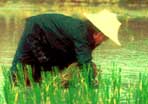
(n) การปักดำ(นา) เช่น Transplanting, or indirect seeding, is the process of growing seedlings in a greenhouse or other controlled. environment before placing plants outdoors.
Image:
indirect seeding
(n) ความรู้สึกผูกพันกับกลุ่ม เช่น Collectivism is an answer to the first question. It says value to the collective, whether that's society, your tribe, your family, your nation and your race.
(n) คำสั่ง คำแนะนำ (ให้ปฏิบัติหรือให้ทำ)Syn. instructions
[โปร-เจ็ค-วัน] (n) เกมออนไลน์ ให้บริการโดยบริษัท ดี บัสซ์ จำกัด ภายหลังเปลี่ยนชื่อเป็นเกม “อสุรา ออนไลน์” รายละเอียดเพิ่มเติมดูได้ที่ http://www.asura.in.th/
  NECTEC Lexitron Dictionary EN-TH 
(vt) ขับไล่ (ออกจากตำแหน่งหรือสถานที่)See Also: ไล่ออกSyn. dismiss, expel, drive out
(vt) ดันออกมาSee Also: ผลักออกSyn. evict, expel, throw out
(vi) ดีดตัวออกจากเครื่องบิน (ขณะฉกเฉิน)
(adj) ซึ่งตั้งตรงSee Also: ตั้งชัน, ลุก, ชู, โด่Syn. upright, vertical
(vt) ทำให้ตั้งขึ้นSyn. lift up, raise, set up
(vt) สร้างขึ้นSee Also: สร้างSyn. build, construct
(n) หน้าหนังสือด้านขวามือAnt. verso
(adj) ต่ำช้าSee Also: เลวทราม
(adj) ถ่อมตัว
(adj) น่าสังเวชSee Also: น่าสงสารSyn. debasing, degrading, miserable
(vt) กระทบSee Also: ส่งผล, มีผลต่อSyn. influence, sway, work on
(vt) ทำให้กระทบจิตใจSee Also: ทำให้กระทบความรู้สึก, กินใจ
(vt) ทำให้เป็นโรค
(vt) ชอบที่จะ (ใส่, ทำ)
(vt) แสร้งทำSyn. assume, feign, pretend
(n) มุมSee Also: ด้าน, แง่มุม
(n) มุมมองSee Also: ความคิดเห็นSyn. view, viewpoint, perspective
(n) ลักษณะSee Also: รูปลักษณ์Syn. look, looks, appearance, features
(vt) แบ่งออกเป็นสองส่วนSee Also: ตัดขวาง, ตัดแบ่งออกเป็นสองส่วนเท่าๆกันSyn. dichotomize, split
(vi) ละทิ้งSee Also: เปลี่ยนใจ, ย้ายพรรคSyn. apostatize, desert
(vt) ทำให้ผิดหวังSee Also: ทำให้เศร้าใจ, ทำให้หดหู่ใจ
(vt) จัดการSee Also: ควบคุม, สั่งการ, กำกับSyn. command, bid, charge, manage
(vt) จ่าหน้าซอง
(vt) ชี้ทางSee Also: บอกทาง, นำทางSyn. guide, conduct, lead, showAnt. mislead, misquide
(adj) ตรงไปSee Also: ไม่เบี่ยงเบนSyn. straight, right
(adj) ตรงไปตรงมาSee Also: ตรงๆ, ไม่คลุมเครือ, เปิดเผยSyn. open, candid, unhiddenAnt. concealed
(adj) ทันทีSyn. immediate, firsthand
(vt) มุ่งความสนใจไปที่Syn. point to
(vt) สั่งสอน (คำทางการ)See Also: สอน, แนะนำ, ชี้แนะ
(n) ความตั้งใจSyn. intention, purport
(n) ความรู้สึกที่เกิดขึ้นSee Also: ความรู้สึกจากสิ่งที่เห็นหรือได้ยิน
(n) ผลกระทบSee Also: ผลSyn. conclusion, consequence, outcome
(vt) ตั้งครรภ์ (คำที่ไม่เป็นทางการ)See Also: ท้อง, ตั้งท้อง
(vi) ตั้งครรภ์ (คำที่ไม่เป็นทางการ)See Also: ท้อง, ตั้งท้อง
(adj) วุ่นวายSyn. bustling, frantic, freneticAnt. calm
(vt) ข่มขู่See Also: พูดพาลใส่Syn. bluster
(vi) ติดโรคSee Also: ติดเชื้อ
(vt) ฉีดSee Also: พ่น, ใส่เข้าไปSyn. vaccinate, shoot, inoculate
(n) คนเลวทราม
(n) แมลงSee Also: แมง
(n) น้ำหวานของเกสรดอกไม้Syn. honey, juice
  Hope Dictionary 
(แอบ' เจคทฺ, แอบเจคทฺ') adj. น่าสังเวชใจ, น่าสงสาร, ต่ำช้า, เลวทราม -Ant. base, mean, contemptible, sordid, ignoble, infamous
เอแคททะเลค' ทิค) adj. สมบูรณ์
(แอดดินอยเดค' โทมี) การตัดต่อม adenoids ออก (removing the adenoids)
(แอคจิคไท' เวิล) adj. เกี่ยวกับหรือใช้เป็นคุณศัพท์ (of an adjective)
(แอด' เจคทิฟว) n., adj. คำคุณศัพท์, ศัพท์ที่ขยายคำนาม, เครื่องประกอบ, ประกอบ
(แอดเวค' เชิน) n. การนำตามแนวนอน, การเคลื่อนตามแนวนอนของอากาศ. -advective adj. (movement of air)
เทคนิคการวาดให้เห็นรยะทางโดยการปรับสีและความชัดของส่วนของภาพ
(vi., vt. อะเฟคทฺ'; -n. เอฟ' แฟคทฺ, อะเฟคท'ฺ) -vt., vi. มีผลต่อ, ส่งผลต่อ, กระทบกระเทือน, ทำให้เสียใจ, ทำให้สงสาร, เป็น (โรค) , เสแสร้ง, ชอบ, โน้มเอียงไปทาง-n. ความรู้สึก, อารมณ์
(แอฟเฟคเท' เชิน) n. การเสแสร้ง, การทำท่าทางSyn. artificiality, pretension
(อะเฟค' ทิด) adj. ได้รับผล, ได้รับอิทธิพล, กระทบกระเทือน (จิตใจ) , เสียใจ, สงสาร, แกล้ง, เสแสร้ง, โน้มเอียงไปทางSyn. supurious, artificialAnt. spontaneous, real, moved
(อะเฟค' ทิง) adj. กระทบกระเทือนใจ, เร้าอารมณ์. -affectation n. - affectional adj.Syn. friendship, love, goodwill
(อะเฟค' เชินเนท) adj. เมตตา, ชอบ, รัก, โน้มเอียงไปทาง. -affectionate-ness n.Syn. caring, loving, devoted
(อะเฟค' ทิฟว) adj. ด้าน (ความรู้สึก) , เกี่ยวกับอารมณ์, ทำให้เกิดอารมณ์หรือความรู้สึก,
(อาฟ' เทอะอิเฟคท'ฺ, แอฟ-') n. ผลหลังจากการกระตุ้น, ผลภายหลังSyn. side effect
ความบาดหมางหรือเหินห่างของสามีภรรยาที่เนื่องจากบุคคลที่สาม
(แอมมิโลเพค' ทิน) n. ส่วนประกอบของแป้งที่เมื่อถูกน้ำจะเป็นแป้งเปียก
(-เพค' โทริส) n. อา-การปวดอย่างรุนแรงที่บริเวณหัวใจ ที่แผ่จากหัวใจไปที่ไหล่แล้วไปที่แขนซ้าย หรือจากหัวใจไปที่ท้อง
มุมสะท้อน
(แอนทีอินเทลเลค' ซวล) adj. , n. ซึ่งต่อต้านหรือไม่ชอบปัญญาชน, ผู้ที่ต่อต้านหรือไม่ชอบปัญญาชน
(al) (แอพพะเพลค'ทิค, -คัล) adj. เกี่ยวกับ apoplexy (furious, enrage)
(แอพเพนเดค'โทมี) n. ศัลยกรรมตัดไส้ติ่งออกSyn. appendicectomy
(อาร์'คิเทคทฺ) n. นักสถาปนิก
(อาร์คิเทค'โทนิค) adj. เกี่ยวกับหรือคล้ายหลักหรือกฎของสถาปัตยกรรม
(อาร์คิเทคทอน'นิคซฺ) n. สถาปัตยกรรม, วิชาการก่อสร้าง
(อาร์คิเทค'เชอะ) n. สถาปัตยกรรม, วิชาการก่อสร้าง, รูปแบบการก่อสร้าง, สิ่งปลูก สร้าง, ผลงานทางสถาปัตยกรรม, โครงสร้าง.
(แอส'เพคทฺ) n. ลักษณะ, รูปร่างหน้าตา, รูปการ, ด้าน (ปัญหา) , หลักเกณฑ์, ด้านข้างหรือผิวหน้าด้านที่กำลังมอง, ทิศทาง, ที่ตั้งSyn. expression, look, air, visage
อัตราส่วนระหว่างแนวตั้งและแนวนอนหมายถึง อัตราส่วนระหว่างแนวตั้งกับแนวนอนของภาพของสิ่งใดสิ่งหนึ่ง โดยปกติ ใช้ในการสร้างภาพคอมพิวเตอร์ (computer graphics) ซึ่งต้องคอยระวังให้มีสัดส่วนที่ถูกต้องอยู่เสมอ
(ออโทอินเฟค'เชิน) n. การใส่เชื้อโรคจากส่วนหนึ่งของร่างกายไปยังอีกส่วนที่ยังไม่ติดเชื้อ. -autonoculability n.
ส่วนวงเสียหมายถึงส่วนวงในร่องที่ใช้บันทึกข้อมูลบนแผ่นจานบันทึกเสีย ทำให้ไม่สามารถอ่านข้อมูลออกมา หรือบันทึกข้อมูลลงไปเก็บได้ คอมพิวเตอร์จะแสดงข้อความนี้บนจอภาพเมื่อสั่งให้อ่านหรือบันทึกข้อมูล แล้วไม่สามารถทำได้ เพราะเกิดกรณีนี้ขึ้น
(บิสเพค'ทะเคิลดฺ) adj. สวมแว่นตา
n. คนเก็บเงิน
vt., vi. แบ่งออกเป็นสองส่วน, See Also: bisection n.
(ไบเซค'เทอะ) n. เส้นหรือแนวที่แบ่งมุมหรือส่วน
ตัวเสียบบีเอ็นซี <คำแปล>หมายถึง ส่วนปลายของสายเคเบิลที่เป็นโลหะที่จะต้องเสียบเข้าทางด้านหลังของเครื่องคอมพิวเตอร์
n. ลวดลายนูนของเฟอร์นิเจอร์
ส่วนวงปลุกเครื่องหมายถึง ส่วนของแผ่นจานบันทึกที่เก็บคำสั่งที่ใช้ในการปลุกเครื่อง ถ้าส่วนนี้เสีย (อ่านไม่ได้) คอมพิวเตอร์ก็จะไม่ทำงานเลยตั้งแต่ต้น
adj. เกี่ยวกับยาหรือสารปฏิชีวนะที่ต้านเชื้อจุลินทรีย์ได้มากชนิด
n. ผลแทรกซ้อน
n. การเลือกตั้งซ่อมSyn. bye-election
(-เซค'เชิน) n. การผ่าผนังช่องท้องและมดลูกเพื่อเอาทารกในครรภ์ออกSyn. Caesarean operation
n. อิเล็กโทรน
adj. เกี่ยวกับความสัมพันธ์ระหว่างเหตุและผล
n. สารวัตรใหญ่, นายตรวจใหญ่
n. ศัลยกรรมตัดเอาถุงน้ำดีออก
adj. รอบคอบ, ระมัดระวังSee Also: circumspectness n. ดูcircumspect
n. ความระมัดระวัง, ความรอบคอบ,
สถาปัตยกรรมปิดหมายถึง การออกแบบเครื่องคอมพิวเตอร์ให้ใช้ได้เฉพาะกับอุปกรณ์หรือชิ้นส่วนที่ผลิตจากบริษัทเดียวกันเท่านั้น (เรียกว่า ปิดประตูตาย ไม่ให้ผู้อื่นมาร่วมทำมาหากิน)
n. ศัลกรรมผ่าเอาลำไส้ใหญ่ออกบางส่วนหรือทั้งหมด
(คะเลคทฺ') { collected, collecting, collects } vt., vi. รวบรวม, สะสม, เก็บ (เงิน, บัญชี, ค่าเช่า, ฯลฯ) , คุมสติ, สำรวม, ไปรับ (จดหมาย) , จับกลุ่ม adj., adv. ให้ผู้รับจ่ายเงิน.Syn. obtain, receive, gather
n. เก็บเงินเมื่อของถึง, เก็บเงินเมื่อได้รับของ
  Nontri Dictionary 
(adj) น่าสังเวช, น่าเวทนา, น่าอนาถ, ต่ำต้อย
(n) สภาพที่น่าอนาถ, สภาพที่น่าเวทนา, สภาพที่น่าสังเวช
(adv) อย่างน่าอนาถ, อย่างน่าเวทนา, อย่างน่าสมเพช
(adj) เกี่ยวกับคำคุณศัพท์
(n) คำคุณศัพท์
(vt) มีผลต่อ, ชอบ, รัก, พอใจ, เสแสร้ง
(n) การเสแสร้ง, การออกท่าออกทาง, การแสดงท่า
(adj) ได้รับผล, ได้รับอิทธิพล, เสแสร้ง
(adj) น่าสงสาร, น่าเอ็นดู, สะเทือนใจ
(n) ความรัก, ความเสน่หา, ความชอบ, ความเป็นมิตร, อารมณ์
(adj) ที่รัก, ที่ชอบ, ที่เสน่หา, ที่รักใคร่
(adj) เกี่ยวกับความรู้สึก, เกี่ยวกับอารมณ์
(n) สถาปนิก
(adj) ในเชิงสถาปัตยกรรม
(n) สถาปัตยกรรม
(n) ท่าทาง, รูปร่างหน้าตา, ลักษณะ, รูปการ, เกณฑ์, ทิศทาง
(adj) สวมแว่นตา
(vt) แบ่งครึ่ง
(n) การเลือกตั้งซ่อม
(adj) ระมัดระวัง, ระวัง, ละเอียดรอบคอบ
(n) ความรอบคอบ, ความระมัดระวัง, ความระวัง
(vi, vt) เก็บรวบรวม, เก็บสะสม, สะสม, รวมหมู่, เกาะกลุ่ม, จับกลุ่ม
(n) การเก็บ, การสะสม, การรวบรวม, เงินสะสม
(adj) เกี่ยวกับหมู่คณะ, เกี่ยวกับส่วนรวม, โดยรวม
(n) ส่วนรวม, หมู่คณะ, กลุ่ม
(n) ผู้รวบรวม, พนักงานเก็บภาษี, ผู้สะสม, นักสะสม
(n) ขนมหวาน, ลูกกวาด, ทอฟฟี่
(n) ผู้ขายขนมหวาน, คนขายลูกกวาด
(n) ขนมหวาน, ลูกกวาด, ร้านขายขนมหวาน, ร้านขายลูกกวาด
(adj) เกี่ยวกับการคาดคะเน, เกี่ยวกับการเดา
(vt) คาดคะเน, อนุมาน, เดา, ทาย
(vi, vt) ติดต่อกัน, เกี่ยวข้อง, เกี่ยวดอง, ต่อเนื่อง, สัมพันธ์
(n) การติดต่อ, ความสัมพันธ์, การเกี่ยวข้อง, การเกี่ยวดอง, ญาติ
(adj) ซึ่งติดต่อกัน, ซึ่งเกี่ยวดองกัน, ซึ่งเกี่ยวข้องกัน
(n) ตัวเชื่อม, คำเชื่อม
(n) ตัวเชื่อม
(n) การนำความร้อน
(adj) ถูกต้อง, เหมาะ, สมควร
(vt) แก้ไข, ตรวจ, ทำให้ถูกต้อง
(n) การตรวจ, การแก้ไข, การทำให้ถูกต้อง
(adj) ซึ่งทำให้ถูก, เป็นการแก้ไข
(n) สิ่งที่ดัดแปลงแก้ไข, วิธีแก้
(n) การสำรวจทางสถิติ, การตัดขวาง, ภาพตัดขวาง, แผนภาพ, แผนภูมิ, รูปตัด
(n) ความบกพร่อง, ข้อบกพร่อง, ข้อเสีย, ปมด้อย
(vi) เอาใจออกห่าง, ละทิ้ง, ปลีกตัว, หลบหนี้, หนีงาน
(n) การปลีกตัวออกจาก, การเอาใจออกห่าง, การละทิ้ง, การหนีออกนอกประเทศ
(adj) บกพร่อง, ขาด, พิการ, ไม่สมบูรณ์, ไม่ปกติ, เสีย
(n) ผู้เอาใจออกห่าง, ผู้ละทิ้ง, ผู้หลบหนีออกนอกประเทศ
(vt) ทำให้แบน, บ่ายเบน, ทำให้หันเห
(adj) หดหู่ใจ, สลดใจ, เศร้าใจ
  ศัพท์บัญญัติราชบัณฑิตยสถาน 
ทัศนมิติ [ศิลปะ ๑๑ มี.ค. ๒๕๔๕]
ภาวะมีแกนร่วม [คณิตศาสตร์๑๙ ก.ค. ๒๕๔๗]
ภาวะมีศูนย์กลางร่วม [คณิตศาสตร์๑๙ ก.ค. ๒๕๔๗]
การตั้งครรภ์นอกมดลูก [แพทยศาสตร์ ๖ ส.ค. ๒๕๔๔]
ไส้ตรงยื่นย้อย, ดากโผล่ [แพทยศาสตร์ ๖ ส.ค. ๒๕๔๔]
การตัดกระดูกนิ้ว [แพทยศาสตร์ ๖ ส.ค. ๒๕๔๔]
การตัดกระเพาะบางส่วน [แพทยศาสตร์ ๖ ส.ค. ๒๕๔๔]
อาการปวดทวารหนัก [แพทยศาสตร์ ๖ ส.ค. ๒๕๔๔]
การเรียงกระแสตรงบางส่วน [การเชื่อม ๒๐ ก.ย. ๒๕๔๔]
การฉีดเบนซิน [ยานยนต์ ๑๒ มี.ค. ๒๕๔๕]
ตัดต่อมพาราไทรอยด์ [แพทยศาสตร์ ๖ ส.ค. ๒๕๔๔]
การตัดต่อมพาราไทรอยด์ [แพทยศาสตร์ ๖ ส.ค. ๒๕๔๔]
การตัดปอดบางส่วนออก [แพทยศาสตร์ ๖ ส.ค. ๒๕๔๔]
ของที่ได้รับความคุ้มครอง [นิติศาสตร์ ๑๑ มี.ค. ๒๕๔๕]
บุคคลสำคัญที่ต้องอารักขา [รัฐศาสตร์ ๑๗ ส.ค. ๒๕๔๔]
บุคคลที่ได้รับความคุ้มครอง, บุคคลที่ได้รับการอารักขา [นิติศาสตร์ ๑๑ มี.ค. ๒๕๔๕]
ระเบียนอารักขา [คอมพิวเตอร์ ๑๙ มิ.ย. ๒๕๔๔]
ภัยคุ้มกัน [ประกันภัย ๒ มี.ค. ๒๕๔๕]
รัฐในอารักขา [รัฐศาสตร์ ๑๗ ส.ค. ๒๕๔๔]
รัฐในอารักขา [ ดู protectorate ] [นิติศาสตร์ ๑๑ มี.ค. ๒๕๔๕]
หน่วยเก็บมีการอารักขา [คอมพิวเตอร์ ๑๙ มิ.ย. ๒๕๔๔]
ตะแกรงคุ้มภัย [ปรับอากาศ ๗ มี.ค. ๒๕๔๕]
การอารักขา, การป้องกัน [คอมพิวเตอร์ ๑๙ มิ.ย. ๒๕๔๔]
๑. การตัดถุงหุ้มหัวใจ๒. การตัดเยื่อหุ้มหัวใจ [แพทยศาสตร์ ๖ ส.ค. ๒๕๔๔]
ว่าที่ประธานาธิบดี [รัฐศาสตร์ ๑๗ ส.ค. ๒๕๔๔]
การตัดต่อมใต้สมอง [แพทยศาสตร์ ๖ ส.ค. ๒๕๔๔]
การตัดถุงหุ้มแก้วตา [แพทยศาสตร์ ๖ ส.ค. ๒๕๔๔]
คำสั่งให้ความคุ้มครองบุคคล (ต่อการทำร้ายร่างกาย) [นิติศาสตร์ ๑๑ มี.ค. ๒๕๔๕]
ช่วงเวลาคาดคะเน [ประชากรศาสตร์ ๔ ก.พ. ๒๕๔๕]
การเชื่อมปุ่มยื่น [การเชื่อม ๒๐ ก.ย. ๒๕๔๔]
พิกัดเชิงภาพฉาย [คณิตศาสตร์๑๙ ก.ค. ๒๕๔๗]
เรขาคณิตเชิงภาพฉาย [คณิตศาสตร์๑๙ ก.ค. ๒๕๔๗]
ภาวะเชิงภาพฉาย [คณิตศาสตร์๑๙ ก.ค. ๒๕๔๗]
เครื่องฉาย [เทคโนโลยีสารสนเทศ ๑๑ มี.ค. ๒๕๔๕]
การควบคุมอารักขา, การควบคุมเพื่อความปลอดภัย [นิติศาสตร์ ๑๑ มี.ค. ๒๕๔๕]
การปลูกเชื้อคุ้มครอง [แพทยศาสตร์ ๖ ส.ค. ๒๕๔๔]
พิกัดอัตราภาษีเพื่อคุ้มครอง [รัฐศาสตร์ ๑๗ ส.ค. ๒๕๔๔]
พิกัดอัตราคุ้มครอง [นิติศาสตร์ ๑๑ มี.ค. ๒๕๔๕]
รัฐในอารักขา [ ดู protected state ] [นิติศาสตร์ ๑๑ มี.ค. ๒๕๔๕]
สถาปัตยกรรมเฉพาะคราว [ศิลปะ ๑๑ มี.ค. ๒๕๔๕]
การตัดปอดบางส่วนออก [แพทยศาสตร์ ๖ ส.ค. ๒๕๔๔]
-ตัดประสาทกะบังลม [แพทยศาสตร์ ๖ ส.ค. ๒๕๔๔]
การตัดประสาทกะบังลม [แพทยศาสตร์ ๖ ส.ค. ๒๕๔๔]
อกไก่ [แพทยศาสตร์ ๖ ส.ค. ๒๕๔๔]
๑. หน้าอก๒. ทรวงอก, อก [ มีความหมายเหมือนกับ chest; thorax ]๓. เต้านม [ มีความหมายเหมือนกับ breast; mamma ] [แพทยศาสตร์ ๖ ส.ค. ๒๕๔๔]
อกไก่ [แพทยศาสตร์ ๖ ส.ค. ๒๕๔๔]
  คลังศัพท์ไทย (สวทช.) 
หนังสืออ้างอิงเฉพาะวิชา [บรรณารักษ์และสารสนเทศศาสตร์]
ด้านจิตใจ [เทคโนโลยีการศึกษา]
การเลือกวารสาร [เทคโนโลยีการศึกษา]
ทรัพย์สินทางปัญญา [เทคโนโลยีการศึกษา]
บริการจัดส่งเอกสารทางอิเล็กทรอนิกส์ [บรรณารักษ์และสารสนเทศศาสตร์]
การเลือกหนังสือ [บรรณารักษ์และสารสนเทศศาสตร์]
ทรัพยากรห้องสมุด [บรรณารักษ์และสารสนเทศศาสตร์]
การพัฒนาทรัพยากรสารสนเทศ [บรรณารักษ์และสารสนเทศศาสตร์]
การประเมินคุณค่าทรัพยากรห้องสมุด [บรรณารักษ์และสารสนเทศศาสตร์]
หนังสือรวมเรื่องหลาย ๆ เรื่อง [บรรณารักษ์และสารสนเทศศาสตร์]
พจนานุกรมภาษาถิ่น [บรรณารักษ์และสารสนเทศศาสตร์]
นามานุกรม, ทำเนียบนามExample:Directory หมายถึง นามานุกรม หรือ ทำเนียบนาม คือ หนังสือที่รวบรวมรายชื่อของบุคคล หน่วยงาน สมาคม มูลนิธิ องค์การ และบริษัทต่าง ๆ จัดเรียงรายชื่อตามลำดับอักษรหรือตามลำดับหมวดหมู่ โดยให้ข้อเท็จจริงเกี่ยวกับสถานที่อยู่ หน่วยงานที่เกี่ยวข้อง และอื่นๆ ถ้าเป็นนามานุกรมที่รวบรวมรายชื่อบุคคลจะจะให้ข้อเท็จจริงเกี่ยวกับชื่อ นามสกุล สถานที่อยู่ ตำแหน่งหน้าที่การงาน หมายเลขโทรศัพท์ ถ้าเป็นนามานุกรมหน่วยงาน สมาคม มูลนิธิ องค์การจะจะระบุชื่อของผู้ที่เป็นหัวหน้าหน่วยงาน และให้ข้อเท็จจริงเกี่ยวกับสถานที่ตั้ง ปีที่จัดตั้ง วัตถุประสงค์และหน้าที่ของหน่วยงานนั้น ๆ พร้อมด้วยหมายเลขโทรศัพท์ ถ้าเป็นชื่อบริษัท ห้างร้าน จะบอกรายชื่อของสินค้าที่จัดจำหน่ายประเภทของผลิตผล รหัสที่ใช้ในการติดต่อทางโทรเลข รวมทั้งหมายเลขโทรศัพท์ โทรสาร  [บรรณารักษ์และสารสนเทศศาสตร์]
วารสารอิเล็กทรอนิกส์Example:วารสารในรูปแบบวารสารอิเล็กทรอนิกส์ คือ วารสารทางวิชาการที่ผลิตและเผยแพร่สู่ผู้ใช้โดยระบบอิเล็กทรอนิกส์ เป็นวารสารที่ห้องสมุดบอกรับโดยเสียค่าบริการเพื่อให้ผ่านอินเทอร์เน็ต ผู้ใช้สามารถเข้าถึงสารนิเทศได้รวดเร็วในเวลาเดียวกันหลายคน โดยไม่จำกัดเวลา และสถานที่ สามารถจัดหาได้เมื่อต้องการ ( Acquisition on Demand) และมีบริการจัดส่งบทความ (Document Delivery) เมื่อมีผู้ต้องการสั่งซื้อทาง E - mail หรือ Fax หรืออื่นๆได้ตามต้องการ วารสารอิเล็กทรอนิกส์เป็นพัฒนาการของวารสารที่ทันสมัยที่สุดในปัจจุบัน <p>ข้อดีของวารสารอิเล็กทรอนิกส์ <ol>1. ผู้ใช้สามารถติดตามอ่านวารสารได้อย่างรวดเร็ว ทันทีที่วารสารมีการจัดพิมพ์ เนื่องจากสำนักพิมพ์จัดพิมพ์แบบอิเล็กทรอนิกส์ จึงทำให้เผยแพร่สู่ผู้อ่านได้อย่างรวดเร็ว</ol> <ol>2. ผู้อ่านสามารถเข้าถึงวารสารได้อย่างสะดวก รวดเร็ว โดยไม่จำกัดเวลา โอกาส และ สถานที่</ol> <ol>3. ประหยัดค่าใช้จ่ายในการเย็บเล่มวารสาร การเสียแรงงานบุคลากรในการเตรียมวารสารก่อนส่งเย็บเล่มและหลังการเย็บเล่ม</ol> <ol>4. ช่วยแก้ปัญหาการได้รับวารสารไม่ครบ วารสารถูกฉีกขาด</ol> <ol>5. ช่วยแก้ปัญหาสถานที่เก็บ ไม่มีปัญหาการเพิ่มน้ำหนักพื้นที่ของห้องสมุด</ol> <p>ข้อจำกัดของวารสารอิเล็กทรอนิกส์ <ol>1. ค่าใช้จ่ายในการบอกรับ แต่ละสำนักพิมพ์จะกำหนดค่าบอกรับแตกต่างกัน เช่น บางสำนักพิมพ์เมื่อบอกรับวารสารฉบับพิมพ์จะให้สิทธิ์สามารถเข้าถึงข้อมูลได้ บางสำนักพิมพ์แยกราคากันระหว่างฉบับพิมพ์กับวารสารอิเล็กทรอนิกส์ </ol> <ol>2. ลิขสิทธิ์ในรูปสื่ออิเล็กทรอนิกส์ยังไม่ชัดเจนเช่นกฎหมายลิขสิทธิ์ของสิ่งพิมพ์</ol> <ol>3. วารสารย้อนหลัง การจัดเก็บวารสารอิเล็กทรอนิกส์ฉบับย้อนหลังยังไม่มีรูปแบบที่ชัดเจน ห้องสมุดที่บอกรับหารูปแบบ วิธีการจัดเก็บเอง หรือบริษัทเป็นผู้จัดทำ</ol> <ol>4. การเข้าถึงวารสารอิเล็กทรอนิกส็ ปัญหาสำคัญประการหนึ่งก็คือ ความล่าช้าของเครือข่ายคอมพิวเตอร์ บรรณารักษ์และผู้ใช้ขาดความเข้าใจในวิธีการสืบค้นข้อมูล ตลอดจนปัญหาของข้อมูลที่อยู่ในรูปแบบที่แตกต่างกัน King (1991 : 5-6) กล่าวว่า ประมาณปี 2006 จะมีการเปลี่ยนแปลงอีกมากในการสืบค้นข้อมูล ตลอดจนการนำส่งข้อมูลเข้าห้องสมุด ในขณะที่สื่อสิ่งพิมพ์ยังคงมีใช้อยู่ แต่จะมีบทบาทที่แตกต่างไป โดยความคิดนี้ตรงกับความเห็นของ McKnight (1993 : 9) และ Piternick (1989 b : 96) ที่กล่าวว่า วารสารในรูปแบบสิ่งพิมพ์จะมีการใช้ต่อไป ในขณะที่การใช้วารสารอิเล็กทรอนิกส์จะเป็นเสมือนเส้นขนานมากกว่าจะเป็นเทคโนโลยีที่เข้ามาแทนที่ นักวิชาการและนักวิจัยจะใช้เวลาเล็กน้อยในห้องสมุด เพราะสามารถสืบค้นข้อมูลได้จากคอมพิวเตอร์ หรือจาก Workstation จากที่ห่างไกลได้</ol> [บรรณารักษ์และสารสนเทศศาสตร์]
การเลือกวารสารExample:<p>การเลือกวารสาร (Periodical selection) วารสาร จัดเป็นสิ่งพิมพ์ที่มีกำหนดออกที่แน่นอนและต่อเนื่อง มีการนำเสนอเนื้อหาในลักษณะบทความ งานวิจัยต้นฉบับ และเรื่องราวทางวิชาการซึ่งเขียนโดยผู้เชี่ยวชาญและผู้ทรงคุณวุฒิ จัดเป็นแหล่งค้นคว้า ติดตาม ผลการศึกษาวิจัยใหม่ทางด้านวิชาการ และความรู้ที่ทันสมัย ตลอดจนทัศนะและความคิดเห็นของผู้เชี่ยวชาญ รวดเร็วกว่าหนังสือ หรือสารสนเทศประเภทอื่น <p>การเลือกรับวารสาร โดยทั่วไปมีหลักเกณฑ์ ดังนี้ <p>1. สอดคล้องกับวัตถุประสงค์และนโยบายขององค์กรและห้องสมุด <p>2. ตามความต้องการของผู้ใช้บริการ ให้ครอบคลุมทุกสาขาวิชา ในสัดส่วนที่สมดุลกัน <p>3. งบประมาณ <p>สำหรับการเลือกวารสาร ในประเด็นวารสารแต่ละรายชื่อ โดยทั่วไปมีหลักเกณฑ์ที่สำคัญ ดังนี้ <p>1. กำหนดออกตรงตามเวลาที่กำหนด เช่น รายเดือน รายสองเดือน รายสามเดือน <p>2. บทความตีพิมพ์ต้องมีการควบคุมคุณภาพจากผู้ทรงคุณวุฒิ (Peer review) <p>3. วารสารมีการตีพิมพ์บทความที่มีรูปแบบการตีพิมพ์ที่ได้มาตรฐาน เช่น ชื่อและที่อยู่ผู้แต่ง บทคัดย่อภาษาไทยและภาษาอังกฤษ และเอกสารอ้างอิงเป็นรูปแบบเดียวกัน  [บรรณารักษ์และสารสนเทศศาสตร์]
บรรณานุกรมสิ่งพิมพ์ที่มีพิมพ์เผยแพร่นานแล้ว [บรรณารักษ์และสารสนเทศศาสตร์]
ชื่อแบ่งตอน [บรรณารักษ์และสารสนเทศศาสตร์]
บรรณานุกรมเลือกสรร [บรรณารักษ์และสารสนเทศศาสตร์]
การคุ้มครองซอฟต์แวร์ [วิทยาศาสตร์และเทคโนโลยี]
การจัดการทรัพยากรห้องสมุด [บรรณารักษ์และสารสนเทศศาสตร์]
การประมวลผลข้อมูลอิเล็กทรอนิกส์ [บรรณารักษ์และสารสนเทศศาสตร์]
การพัฒนาทรัพยากรห้องสมุด [บรรณารักษ์และสารสนเทศศาสตร์]
การพิมพ์อิเล็กทรอนิกส์ [บรรณารักษ์และสารสนเทศศาสตร์]
บรรณานุกรมเฉพาะวิชา [บรรณารักษ์และสารสนเทศศาสตร์]
บัตรหัวเรื่อง [บรรณารักษ์และสารสนเทศศาสตร์]
พจนานุกรมเฉพาะวิชา [บรรณารักษ์และสารสนเทศศาสตร์]
สารานุกรมเฉพาะวิชา [บรรณารักษ์และสารสนเทศศาสตร์]
ผู้เชี่ยวชาญเฉพาะสาขาวิชา [บรรณารักษ์และสารสนเทศศาสตร์]
หัวเรื่อง [บรรณารักษ์และสารสนเทศศาสตร์]
ดิจิทัลอิเล็กทรอนิกส์ [บรรณารักษ์และสารสนเทศศาสตร์]
ปรากฏการณ์ฮอลล์ [วิทยาศาสตร์และเทคโนโลยี]
ปรากฏการณ์เรือนกระจก [วิทยาศาสตร์และเทคโนโลยี]
อิเล็กทรอนิกส์ [วิทยาศาสตร์และเทคโนโลยี]
อุตสาหกรรมเครื่องมือเครื่องใช้ไฟฟ้า [วิทยาศาสตร์และเทคโนโลยี]
อุตสาหกรรมอิเล็กทรอนิกส์ [วิทยาศาสตร์และเทคโนโลยี]
อุปกรณ์อิเล็กทรอนิกส์ [วิทยาศาสตร์และเทคโนโลยี]
การประมวลผลข้อมูลอิเล็กทรอนิกส์ [วิทยาศาสตร์และเทคโนโลยี]
ทรัพย์สินทางปัญญา [วิทยาศาสตร์และเทคโนโลยี]
นาโนอิเล็กทรอนิกส์ [วิทยาศาสตร์และเทคโนโลยี]
ระบบเครื่องกลไฟฟ้าจุลภาค [วิทยาศาสตร์และเทคโนโลยี]
อิเล็กทรอนิกส์แบบพลาสติก [วิทยาศาสตร์และเทคโนโลยี]
นาโนอิเล็กทรอนิกส์ [วิทยาศาสตร์และเทคโนโลยี]
ออปโตอิเล็กทรอนิกส์ [วิทยาศาสตร์และเทคโนโลยี]
จมูกอิเล็กทรอนิกส์แบบพกพา [วิทยาศาสตร์และเทคโนโลยี]
ระบบไฟฟ้าเครื่องกลจุลภาค [วิทยาศาสตร์และเทคโนโลยี]
วงจรเรียงกระแสความถี่สูง [วิทยาศาสตร์และเทคโนโลยี]
ไมโครอิเล็กทรอนิกส์ [วิทยาศาสตร์และเทคโนโลยี]
MEMs, เครื่องกลจุลภาค [วิทยาศาสตร์และเทคโนโลยี]
การทำให้เกิดการกลายพันธุ์เฉพาะที่Example:วิศวกรรมโปรตีนเป็นการศึกษาโปรตีนที่สนใจโดยการเปลี่ยนแปลงดีเอ็นเอเพื่อให้ได้โปรตีนที่มีกรดอะมิโนที่ตำแหน่งที่ต้องการศึกษาเปลี่ยนแปลงไป เพื่อศึกษาหน้าที่และความสำคัญของกรดอะมิโน ดังนั้นการทำให้เกิดการกลายพันธุ์เฉพาะที่จึงมีความสำคัญต่องานวิศวกรรมโปรตีน โดยเริ่มจากดีเอ็นเอสายเดี่ยวซึ่งเป็นดีเอ็นเอต้นแบบ แล้วสังเคราะห์ดีเอ็นเอสายใหม่โดยการคัดลอกจากดีเอ็นเอต้นแบบโดยใช้ primer ที่มีเบสผิดไป 1 ตำแหน่ง ผลก็คือจะได้ดีเอ็นเอที่มีเบสผิดไป 1 ตำแหน่ง ซึ่งส่งผลให้เมื่อมีการแปลรหัสของดีเอ็นเอจะได้โปรตีนที่มีกรดอะมิโนเปลี่ยนแปลงไปจากเดิมในตำแหน่งที่ต้องการ และเมื่อนำโปรตีนกลายพันธุ์ไปศึกษาหน้าที่จะทำให้รู้ว่ากรดอะมิโนในตำแหน่งนั้นมีความสำคัญต่อหน้าที่ของโปรตีนอย่างไร <br> <br>แหล่งข้อมูล<br> สุรินทร์ ปิยะโชคณากุล. “เวกเตอร์” ในพันธุวิศวกรรมเบื้องต้น. หน้า 77-105. กรุงเทพฯ : สำนักพิมพ์มหาวิทยาลัยเกษตรศาสตร์, 2545. [วิทยาศาสตร์และเทคโนโลยี]
วิธีหนึ่งของการส่งถ่ายพลาสมิดเข้าสู่เซลล์ E. coliExample:ส่วนใหญ่วิธี transformation นิยมใช้เพื่อส่งถ่ายพลาสมิดเข้าสู่เซลล์ E. coli แต่มีอีกวิธีหนึ่งซึ่งให้ผลสำเร็จมากกว่าคือวิธี electroporation เป็นวิธีที่อาศัยการผ่านกระแสไฟฟ้าด้วยขนาดและเวลาที่เหมาะสมไปยังเซลล์ E. coli เพื่อทำให้ผนังเซลล์เกิดรูรั่วพร้อมรับพลาสมิด แต่ถ้าใช้กระแสไฟฟ้าสูงหรือเวลานานเกินไปเซลล์จะตาย ข้อดีของวิธีนี้คือ ดีเอ็นเอที่จะนำเข้าเซลล์ไม่จำกัดด้วยขนาด <br> <br>แหล่งข้อมูล<br> สุรินทร์ ปิยะโชคณากุล. “การโคลนยีน” ในพันธุวิศวกรรมเบื้องต้น. หน้า 106-125. กรุงเทพฯ : สำนักพิมพ์มหาวิทยาลัยเกษตรศาสตร์, 2545. [วิทยาศาสตร์และเทคโนโลยี]
เอกสารประมวลผลข้อมูลอิเล็กทรอนิกส์ [วิทยาศาสตร์และเทคโนโลยี]
  Longdo Unapproved EN-TH **ระวัง คำแปลอาจมีข้อผิดพลาด**
(n) แปรงสีฟันไฟฟ้า
ภาษาย่อยช่วงบน
อุปกรณ์ป้องกันไฟฟ้า
(n, vt) ในส่วนการเชื่อม
ฤทธิ์ก่อมะเร็ง
(n, vi, vt, modal, ver) Climatic aspects in urban design—a case study Isaac G. Capeluto, , A. Yezioro and E. Shaviv Faculty of Architecture and Town Planning, Technion—Israel Institute of Technology, 32000, Haifa, Israel Received 11 December 2001; revised 13 February 2002; accepted 21 February 2002.; Available online 4 April 2002. Abstract We present a case study of a design of a new business district in Tel Aviv city. In this work climatic aspects were taken into consideration in the very early design stages. For that purpose, two models SustArc (Proceedings of the ISES 1997 Solar World Congress, Taejon, Korea, 1997, p. 148) and FLUENT 5.0.2 (Fluent's User's Guide, Fluent Inc., NH, USA, 1999) were applied in order to achieve solar and wind rights. The new business district was designed as a high-density urban area and is located near an old low-rise residential quarter. SustArc was used as a design tool to create the solar envelope that shows the maximum available volume in which it is possible to build without violating the solar rights of existing residential neighborhood, the main avenues and the pedestrian sidewalks. FLUENT, on the other hand, was implemented as an evaluative tool, in a trial and error method, until a design solution could be achieved, in which the wind rights of the residential neighborhood were preserved, while ensuring tolerable winds inside the business district. The paper presents the process of sun and wind controlled planning, as well as the recommendations. Author Keywords: Solar rights; Wind rights; Urban design; Design tools Article Outline 1. Introduction 2. Sun, winds and urban design 3. Planning control for sun and winds in a new business district 4. Planning control for sun access 5. Planning control for wind access and protection 6. Summary and conclusions Acknowledgements References 1. Introduction During the conceptual design phase of urban districts, the designer deals with different geometrical characteristics related to the building's height and width, in relation to the open spaces and the pedestrian sidewalks. New buildings may create a different microclimate, like changing the wind regime and shading of existing neighborhoods, as well as in the new district. To protect solar rights, as well as wind rights, is a complex task. Moreover, tolerable winds should be achieved along the pedestrian sidewalks. The determination of a preferable design solution becomes specially complicated due to mutual influences. On the other hand, ignoring the solar rights at the stage of the preparation of the master plan may cause discomfort conditions around the buildings beyond repair. Different design tools for solar insolation conscious design were developed. We can classify these tools into generation tools and evaluation tools. The generative design tools aid to define the proper geometry. Some examples are [ 1, 2, 3, 4, 5 and 6 ] for determining solar rights. These tools generate nomograms that present all possible solutions to a given problem. These nomograms are called “Solar Envelopes”. The evaluation tools, on the other hand, analyze the performance of a given design. Some examples are Kroner and Abrey [ 7 ], Yezioro and Shaviv [ 8 and 9 ] and Capeluto and Shaviv [ 5 ] for evaluating solar rights for buildings and in open spaces among them. Heliodons are also used to evaluate the proposed design, namely a scaled down 3D physical model examined in the laboratory. For microclimate and wind rights conscious design, there are today only evaluative design tools. These are either wind tunnel studies, or computational fluid dynamics (CFD) simulation tools. The CFD models are very powerful, require heavy calculations, but provide detailed results that can show clearly the defects in suggested designs. As a result, new design alternatives may be thought of and re-evaluated, until a good and satisfactory design is achieved. In the design of the new business district in Tel Aviv (Fig. 1), we have used SustArc, as the design tool to evaluate the proposed design (Fig. 2). We have also used SustArc to create the solar envelope that shows the maximum available volume in which it is possible to build while keeping the solar rights of the existing neighborhood (Fig. 5). We used FLUENT to evaluate the existing situation, the proposed solution and the mitigation design, in which the wind rights to the residential neighborhood were preserved, while ensuring tolerable winds along the pedestrian sidewalks ( Fig. 8 and Fig. 9). The paper presents the design process along with the different design tools implemented to create the solutions and to simulate and evaluate the proposed design. Using these tools we could develop rules and design guidelines that ensure proper insolation and ventilation in the existing residential neighborhood as well as creating good microclimatic conditions inside the new business district. Display Full Size version of this image (63K) Fig. 1. An aerial view of the business district. Display Full Size version of this image (24K) Fig. 2. Sun-view presenting the shading of the main green avenue (the area adjacent to the tall buildings from the right) and the residential neighborhood (the long square on the right). 2. Sun, winds and urban design There are many places in which urban design take into consideration solar rights and winds protection. Let us mention a few: New York, Boston, Chicago, Philadelphia, Pittsburgh and San Francisco, in the USA, Calgary, Edmonton, Halifax, London, Montreal, Ottawa and Toronto, in Canada [ 10 ]. Many tall buildings were built during the past in all of the above cities. These tall buildings caused different problems, like shading, loss of daylight, and creation of strong winds around the tall buildings on one hand, and at the same time avoid good ventilation by creating wind stagnation at some parts around them. From the accumulating experience, the city leaders and designers recognized the need to control the changes in the microclimatic conditions created by a proposed design. In many cities, large projects, including tall buildings, require wind studies, as well as shading evaluation. Nevertheless, in most places, the planning control for wind protection and solar insolation are not mandatory and are not imposed by standards, but rather open to negotiations with the developers. Defining urban standards can be carried on along three different approaches [ 10 ]: Prescriptive and descriptive standards, in which the exact physical solution is given. For example, the specific maximum height of buildings in the inner city neighborhood of San Francisco is dictated along with the angle of the slope of a plan that cut the upper floors further from the street. Performance standards, in which the expected performance of the design is given. For example, Boston zoning ordinance dictates for some downtown areas, that “No net increase in shadow is permitted between 8 a.m. and 2.30 p.m.”. In San Francisco for example a performance standard is set for the maximum allowed wind velocity so that “a building form which causes wind speeds to exceed 11 miles/h in areas where people walk and 7 miles/h in areas where people sit, should not be used”. Discretionary review, in which a comprehensive study is required as part of the environmental impact study (EIS) process. For example, in New York, sponsors of large development projects are required to conduct wind studies. The expected wind velocities in new or existing open spaces shall not exceed the mean wind velocity in existing comparable open spaces. There are not yet urban standards and legislation in Israel about how much a building can shade neighboring buildings, open spaces, or what is the maximum allowed wind speed. As for solar rights, we were contracted to develop legislation [ 11 ] and we hope that our future recommendations will be imposed. However, in many cities, the Israeli ministry of the environment demands from every developer, who intends to build high-rise buildings, a discretionary review for winds and shading, as part of the EIS. As there are not yet urban standards, the results of the study are not always imposed on the project. The shading study is usually an evaluation process, carried by different computer codes, while the wind assessment is in most cases a wind tunnel study. In the following chapter we shall demonstrate the approach to deal with planning control for sun access and wind access and protection [ 12 ] that was carried out in the design of a new business district in Tel Aviv. 3. Planning control for sun and winds in a new business district A new business district is being planned in the heart of Tel Aviv on an area of 250, 000 m2. The urban density was changed from 200% to 450%. As a result, the developers wish to build in the area many high-rise buildings 40 stories and above. Existing low-rise residential buildings that surround this new business district will be affected by the high-rise buildings (see Fig. 1). The new master plan of this district was not approved yet, and the residents of neighboring communities can submit objections to the new plan, which they did. The designers of the Tel Aviv City planning department produced a 3D model of the site, in which they assumed that all developers would build the maximum allowed (a likely outcome). The model allows the visualization of the spatial drawbacks in the preliminary design. In particular, it was found that the new buildings create a high wall that would deprive the sun and winds (coming mainly from west) from the existing buildings (Fig. 2). Therefore, the designers of Tel Aviv City planning department decided to adopt certain rules for the design of this new business district so as to ensure sun and winds in the existing residential neighborhood. The Tel Aviv climate is hot and humid, and the sea breeze helps in summer to bring about thermal comfort in open spaces, as well as indoors. Therefore, the proposed high-rise buildings should not block the sea breeze. Moreover, tall buildings can create strong winds at the foot of the buildings. This fact complicates the situation, as near tall buildings the wind velocity may change very fast from extremely strong wind to no breeze at all. The sun in Tel Aviv is undesirable in summer but it can cause any open space and parks to be a very pleasant and enjoyable place to stay in winter. Therefore, permanent shading, even if needed in summer, compromises winter sun. A dynamic solution, like shading open spaces and sidewalks in summer by deciduous trees that supply winter insolation, is preferred. In general, at least one pedestrian sidewalk should be exposed to winter sun to provide thermal comfort in winter. The other sidewalk, which is shaded by the building in winter, can be protected from the summer sun by permanent shading devices, or by evergreen trees. On top of it, in Israel there is a requirement by law, for every residential unit, to have solar panels for hot water. It is mandatory, therefore, that these panels will be exposed to the sun the year around. 4. Planning control for sun access “Solar Rights Envelope” defines the space of all possible solutions for the determination of a design that does not violate the solar rights of existing buildings and open spaces during a given period of the year (See Fig. 3). The model SustArc creates such an envelope [ 5 and 6 ]. Display Full Size version of this image (18K) Fig. 3. The solar rights envelope. In the design of the new business district, the use of solar envelopes was recommended to protect the solar rights. The requirement was to achieve solar access during the entire winter, between 8 a.m. and 3.00 p.m., in the residential neighborhood, as well as in the main avenue that is the only existing green open area. The solar envelope that fulfills the above requirement, as well as the obtained shape of the buildings under this envelope, are presented in Fig. 4. Display Full Size version of this image (11K) Fig. 4. The solar envelope that ensure solar rights in the existing residential neighborhood as well as in the main green open space. Although the requirements were only to ensure solar access to the residential neighborhood, we added the demand that the main two avenues from west to east will be exposed to the sun during the same period. This is in order to ensure that the morning and afternoon walk from the railway station to work, is in the sun (see Fig. 6). On top of it, we required that the main inner street parallel to the main green avenue would have solar access during lunchtime from 12.00 to 13.00. These requirements will allow the people to enjoy walking in the sun to the two avenues (A and B in Fig. 6) that lead them to the main green avenue, to have lunch in the garden, or in the planned restaurants along the green avenue. Fig. 5 presents the solar envelope that was accepted as design guidelines for the relocation or reshaping of the tall buildings in the business district. All buildings higher than this envelope (these are the buildings that can be seen above the net of the envelope) must be displaced to another location, or should be reshaped (see Fig. 6). This is a descriptive approach, in which all possible consistent solutions are given in advance. However, we mixed the descriptive approach with the performance one, by allowing some exceptions, as long as the shading caused by these buildings is not above a given standard. But, till such standard will exist, a discretionary review approach might be necessary. Display Full Size version of this image (36K) Fig. 5. The solar envelope that ensure solar rights in the existing residential neighborhoods as well as in the main avenues and streets. Display Full Size version of this image (22K) Fig. 6. The maximum allowed floors for each building, keeping solar rights in the existing residential neighborhoods as well as in the main avenues and streets. Based on these design guidelines a new scheme was suggested by the city planners, that follows the solar envelope (see Fig. 7). Until now, few tall buildings have already been relocated and reshaped, so that they will not stick out from the given solar envelope. Display Full Size version of this image (33K) Fig. 7. Design guidelines on building mass as proposed by the city planners. View from south–east. 5. Planning control for wind access and protection Contrary to other cities, where the requirements were only to protect from high wind velocity around tall buildings, the demand in our case was to ensure good ventilation to the residential neighborhood located east to the business center. The situation today is, that in the business district, most of the buildings are seven floors high and are in a very bad physical condition. Therefore, the majority of the buildings should be demolished and replaced by new ones. The only exception is the first row of buildings near the freeway that are seven floors and new. Today, one can feel in the neighboring residential quarter the good breeze coming from the west. The proposed new tall buildings, thirty floors and above, may block the breeze. As a result, the residents of this quarter objected to the new design on the ground of wind rights. The question that was raised, therefore, was what should be the ventilation corridors inside the business district tissue, so that good natural ventilation will remain in the residential neighborhood, as well as in the new business district. This fact complicated the situation, as in many design alternatives the very solution for ensuring the breeze in the residential quarter, may cause excessive winds in the business district (see Fig. 9 and Fig. 10). There are not yet design tools that can create the envelope of all possible solutions that satisfy wind requirements, or wind protection. Therefore, performance approach and evaluation technique were applied by using a CFD simulation model FLUENT 5.0.2 [ 13 ]. We required the following: wind velocity in the main avenues and streets should be in summer at least 2 m/s in walking areas, and 1 m/s in sitting areas. In winter, wind velocity in the main green avenue should not be higher than 5 m/s in walking areas and 3.5 m/s in sitting areas. In other streets, where people move fast, it can reach up to 9 m/s . In the residential neighborhood, the breeze should be similar to what exists today. FLUENT is a very powerful tool. It requires heavy calculations, but gives detailed results that can show the wind pattern in any plan or cross-section (see Fig. 9 and Fig. 10). We used FLUENT with the k– turbulence model, to evaluate the existing situation. We compared it with the proposed design (Fig. 9) and with the design based on the solar envelope ( Fig. 10). Many different design alternatives were proposed and evaluated, until a design solution was found, in which the wind rights of the residential neighborhood are preserved while ensuring tolerable winds inside the business district. As the buildings are not yet designed, and for the master plan only general information about the mass of the buildings is required, we assumed simple shapes, and conducted parametric evaluation, in order to find the influence of each design option on the wind pattern. Also, as the simulations are CPU time intensive, we shorten the evaluation procedure by presenting in the same plan different widths for the ventilation corridors, as well as different widths for the north–south streets. In this way we could learn from the same run, what is the preferred width of the ventilation corridors. Fig. 8 presents the standard meteorological wind measurements on site, 10 m above the ground. From this figure one learns that the desired winds in the hot seasons come mainly from the west and northwest and in general the wind velocity is about 3.5 m/s. To ensure wind rights, we carried simulations for these two directions. In all simulations we assumed a wind profile appropriate for the urban roughness and wind velocity of 3.5 m/s at the entrance. Display Full Size version of this image (21K) Fig. 8. The wind rose as measured in site. Fig. 9 and Fig. 10 show few of the simulations results and only for winds coming from the west. In general, the wind coming from northwest gave better results than what is shown here. Fig. 9 and Fig. 10 top left present the existing situation; i.e. all buildings are seven floors high. The widths of the north–south streets are 16 and 36 m according to the existing situation and widths of the east–west streets are 36, 24 and 12 m. The latter are the ventilation corridors that should allow the sea breeze to reach the residential neighborhood. According to the wind pattern obtained, we required that the north–south streets should be at least 36 m in order not to have wind stagnation in the street. The ventilation corridors should be at least 24 m, preferable 36 m. For the 12 m wide ventilation corridor, the wind velocity in the residential neighborhood is too low, even in the existing situation of seven floors high buildings. Therefore, we defined the wind pattern examined area as the area east to the 24 and 36 m ventilation corridors only. Based on these recommendations ventilation corridors were designed and required by the city planners (see Fig. 11). Display Full Size version of this image (80K) Fig. 9. Simulating winds in the business district by using FLUENT: Top left—existing situation. Top right—proposed design. Bottom—parametric analysis. Display Full Size version of this image (79K) Fig. 10. Simulating winds in the business district by using FLUENT: Top left—existing situation. Top right—proposed design according to the Solar envelope section. Bottom left—parametric analysis: Seven floors buildings along the pathway. Bottom right—parametric analysis: Adding trees at the entrance of the ventilation corridor. Display Full Size version of this image (16K) Fig. 11. Ventilation corridors as requested by the city planners. Fig. 9 presents the simulation results for the proposed design (top right) and parametric analysis for mitigation (bottom left and right). We can see that cutting the building in 45ฐ at the exit of the business district, improves the ventilation in both the main green avenue and the residential neighborhood (bottom left). On the other hand, changing the plan of the middle tower from square to round deteriorates the microclimate conditions. Fig. 10 presents the simulation results for the proposed design according to the solar envelope section (top right) and parametric analysis for mitigation (bottom left and right). We can see that the design according the solar envelope preserves also the wind rights. However, the wind velocity along the east–west pathway is too high, and should be reduced. Adding seven floors high buildings along the 36 m wide pathway, reduces the high velocity wind speed in this pathway, but also reduces a little bit the wind velocity in the residential neighborhood. Adding trees at the entrance to the ventilation corridors reduces the wind velocity inside the ventilation corridors, and also in the residential neighborhood. However, the wind pattern obtained is quite satisfactory (bottom right). 6. Summary and conclusions This work presents a case study in which, for the first time, the solar rights envelope was used in Israel for the design of a new business district in Tel Aviv, keeping solar rights in a high-density urban area. Using this solar envelope we could determine the maximum allowed heights of the buildings that ensure proper insolation in the existing residential neighborhood as well as in the new business district and the main green avenue. The requirement to build under the solar envelope is a prescriptive/descriptive approach. To protect both, the solar and wind rights, the solar envelope was created first, this envelope was then evaluated using a CFD technique to ensure the wind rights and tolerable winds inside the business district. From the many simulations performed (only few of them shown here) we found that it is not easy to use the prescriptive/descriptive approach, as was done in the solar rights requirement. Only for the determination of the geometry of the ventilation corridors to ensure wind rights, such an approach can be applied. However, for the wind control, a standard performance approach should be applied. This is because the winds pattern depends on the exact geometry of all buildings around. Changing the geometry of one building can influence the wind pattern around other buildings. Therefore, performance standards should be established, and the wind pattern around the building should be evaluated against these standards, by certified tools and users. Acknowledgements This research was supported by the fund for promotion of research at the Technion. Research Number 022.732, and 022.751. References 1. F. Arumi, Computer-aided energy design for buildings. In: D. Watson, Editor, Energy conservation through building design, McGraw-Hill, New York (1979). 2. Shaviv E. Design tools for solar rights and sun-shades determination. Proceedings of the Ninth National Passive Solar Conference ASES, Boulder, CO, 1984. p. 14–9. 3. Wright R, Hoinkes R. Computational issues in urban design: developing a strategy for solar impact assessment. In: Flemming, Wyk, editors. CAAD futures. Amsterdam: Elsevier Science Publishers B.V., 1993. 4. Schiler M, Ueng-Fang P. Solvelope: an interactive computer program for defining and drawing solar envelopes. 18th National Passive Solar Conference-ASES, Washington, DC, 1993. 5. Capeluto IG, Shaviv E. Modeling the design of urban grids and fabric with solar rights considerations. Proceedings of the ISES 1997 Solar World Congress, Taejon, Korea, 1997. p. 148–60. 6. Capeluto IG, Shaviv E. Modeling the design of urban fabric with solar rights consideration. IBPSA 99, Kyoto, Japan, 1999. p. 1341–7. 7. Kroner WM, Abrey D. From the sun's point of view. Proceedings of the 10th National Passive Solar Conference, Ralleigh, North Carolina, USA, 1985. 8. Yezioro A, Shaviv E. A Design tool for analyzing mutual shading between buildings, Solar energy, Vol. 52, No. 1. USA: Pergamon Press, 1994. p. 27–37. 9. Yezioro A, Shaviv E. Shading: analyzing mutual shading among buildings. IBPSA 99, Kyoto, Japan, 1999. 10. Bosselmann P, Arens E, Dunker K, Wright R. Sun, wind, and pedestrian comfort. A study of Toronto's central area. Center for Environmental Design Research, University of California at Berkeley and Center for Landscape Architecture Research, University of Toronto. The Department of Planning and Development, City of Toronto, 1991. 11. Shaviv E, Capeluto IG, Yezioro A. Solar rights in high density urban design. Research Proposal No. 022.732, Ministry of Housing, Israel, 2001. 12. HELIOS Climate Energy CAD and Architecture Ltd. Urban climatic design of a new business district in Tel Aviv. Internal Report, 2000 [ in Hebrew ]. 13. FLUENT Inc. Fluent user's guide. NH, USA: Fluent Inc., 1999. Corresponding author. Tel.: +972-4-829-4013; fax: +972-4-829-4617 Building and Environment Volume 38, Issue 6, June 2003, Pages 827-835
(n, adj) จำนวนชนิดและจำนวนตัวสัตว์ที่อยู่ในสวนสัตว์ ประชากรสัตว์ในสวนสัตว์ การรวบรวมสัตว์ในสวนสัตว์ เช่น Collection Plan หมายถึงแผนจัดการประชากรสัตว์ในสวนสัตว์ Our zoo holds the largest collection in this region = สวนสัตว์ของเรามีประชากรสัตว์มากที่สุดในภูมิภาคนี้
การเก็บรวบรวมข้อมูล
(vt) สื่อถึง
(n) ก้านสูบ
(n) เตาอบลมร้อน
(adj) คุ้มค่า, คุ้มราคา
(n) ข้อบังคับบริษัท
(n) ต้นทุนตรง
(n) ผู้ใต้บังคับบัญชา
(n) การมีทิศทางที่แน่นอน
[ได-เรก-ชัน-นา-ลิ-ตี้] (n) การมีทิศทางที่แน่นอน
อธิบดี
เป็นสภาพเต้านมที่ไม่เป็นอันตราย (ไม่ใช่มะเร็ง) ที่เกิดขึ้นเมื่อท่อน้ำนมในขยายเต้านมและผนังข้น ซึ่งอาจทำให้ท่อที่จะกลายเป็นที่ถูกบล็อกและนำไปสู่การสร้างของเหลว
ครุภัณฑ์ทางการศึกษา
(n) ประสิทธิผล
(n) สินค้า, สังหาริมทรัพย์, ทรัพย์สินส่วนตัว
...Volcanic Ejecta volume http://en.wikipedia.org/wiki/Volcanic_Explosivity_Index
(n) เสาไฟฟ้า
สถาบันไฟฟ้าและอิเล็กทรอนิกส์Syn. EEI
(abbrev) สำนักงานรัฐบาลอิเล็กทรอนิกส์ (องค์การมหาชน)
(n) เป็นทิศทางการตอบสนองที่เคลื่อนที่ตอบสนองต่อกระแสไฟฟ้าหรือประจุ
ผู้อำนวยการบริหาร
รายวิชาที่เทียบประสบการณ์
(phrase) ผลกระทบต่อเนื่อง
(n, vt, adv, prep, pron, phrase) For our fourth Meet & Greet Division Director Interview feature we present Yasumichi Murase, Director of the Rechargeable Battery Business Division (AIS Company). We look forward to hearing your thoughts on the article!
[ฮาวธอร์น] (n) 1. การบิดเบือนผลการวิจัยเนื่องจากการตอบแบบสอบถาม -> A distortion of research results caused by the response of subjects to the special attention they receive from researchers [ แปลจาก www.onelook.com ] 2. The effect (usually positive or beneficial) of being under study, upon the persons being studied; their knowledge of the study often influences their behaviour. [ www.onelook.com ]
ร้อย
(phrase) ในบางลักษณะ, ในบางประเด็น
(n) การปักดำ (นา)
(adj) เกี่ยวกับปัญญา
(n) ทรัพย์สินทางปัญญา
(prep) ติดต่อซึ่งกันและกัน
(n) ความคิดหรือสิ่งที่ผู้ปกครองปลูกฝังให้แก่เด็ก
(adj) คิดลึก, คิดอย่างลึกซึ้ง, คิดภายในใจ, ภายใน
(phrase) ขึ้นอยู่กับSyn. depends on
(n) ฤทธิ์ทางพันธุกรรม
Not a new direction or challenge for information systems security, but a direction often not pursued and a challenge often not addressed, information systems auditing is critically required in today’s information systems intensive environment. It is required to ensure that our mission critical or lifeblood systems are designed and continue to be maintained with confidentiality, integrity, and availability foremost in mind. In addition, information systems auditing is required by professional auditing standards when information systems are involved in the area being audited. To assist in this effort, a new set of standards, CobiT (Control Objectives for Information and Related Technology) was recently issued which contains both information technology (IT) control objectives, for management and users, and information systems audit guidelines, for auditors.
(phrase) อยู่ที่ระดับ, เข้าข่าย, อยู่ในช่วง, เป็นออทิสติก, เป็นเด็กพิเศษ
(n) คำคุณศัพท์เฉพาะ
(adj) พยานแวดล้อม
  NECTEC Lexitron-2 Dictionary (TH-EN) 
(n) intravenous drugSee Also: intravenous injectionExample:การคุมกำเนิดมีหลายวิธี เช่น ยาเม็ด ยาฉีด ห่วงอนามัย ถุงยางอนามัย ยาฝังใต้ผิวหนัง การทำหมันหญิงและชายThai Definition:ยาที่เข้าสู่ร่างกายโดยวิธีการฉีด
(n) weaknessSee Also: failure, defect, failing, debility, frailtyAnt. ความแข็งแรงExample:ผู้ที่เริ่มเข้าสู่วัยชราจะประสบปัญหาหลายประการในการดำรงชีวิตเช่น ปัญหาในด้านความเชื่องช้าและความอ่อนแอของร่างกายและปัญหาเรื่องสายตาThai Definition:ไม่แข็งแรง
(n) electricity billSee Also: electricity charge, electricity recordSyn. ค่าไฟExample:การใช้เครื่องไฟฟ้าที่ประหยัดไฟจะช่วยประหยัดค่าไฟฟ้าและประหยัดพลังงานได้มากThai Definition:ค่าใช้จ่ายในการใช้ไฟฟ้า
(v) storeSee Also: hoard, gather, collect, stash, stockpile, accumulateExample:การนำไมโครคอมพิวเตอร์เข้ามาใช้เป็นที่แพร่หลายอย่างมากทั้งนี้เพื่อช่วยในการจัดเก็บข้อมูลและบริหารงานให้เป็นไปอย่างมีระเบียบและรวดเร็ว
(v) expectSee Also: hope, desireExample:คุณจะเอาอะไรให้ได้ดังใจเสมอไปไม่ได้Thai Definition:ได้ดังที่ใจหวังไว้
(v) direct to the pointSyn. ถูกจุดExample:รัฐบาลยังแก้ไขปัญหาไม่ตรงจุดนักทำให้เศรษฐกิจยังไม่ฟื้นตัว
(n) textSee Also: textbook, subject matterSyn. ตำรับตำรา, หนังสือเรียนExample:ลูกๆ ควรมีห้องเป็นของตนเองเพื่อใช้ทำงานท่องบ่นตำรับตาราได้ตามใจ
(v) disrespect someoneSee Also: show a lack of respectThai Definition:ไม่นับถือความเป็นผู้ใหญ่, พูดว่าให้เสียผู้ใหญ่Notes:(สำนวน)
(n) every aspectSee Also: looked at from all directions, seen from all anglesExample:เขาได้เห็นชีวิตมาทุกแง่ทุกมุมแล้ว
(n) DJ (disc jockey)See Also: program manager, program directorSyn. ดีเจExample:ยามเช้าพ่อมักจะฟังรายการที่นักจัดรายการท่านนี้จัดเป็นประจำThai Definition:ผู้ที่ทำหน้าดำเนินรายการในวิทยุ
(n) philosopherSee Also: intellectualExample:นักปรัชญาหลายคนเชื่อว่าความฉลาดของมนุษย์เป็นสิ่งยากที่คอมพิวเตอร์จะเลียนแบบได้Thai Definition:ผู้รู้, ผู้มีปัญญา
(v) be respectableSee Also: be honorableExample:ท่านไปไหว้พระและสิ่งศักดิ์สิทธิ์ที่น่าเคารพนับถือเกือบทั่วประเทศแล้วเช่น พระธาตุดอยสุเทพ จังหวัดเชียงใหม่ พระธาตุช่อแฮ จังหวัดแพร่Thai Definition:สมควรจะให้ความเคารพ
(v) wait expectantlyExample:เมื่อดูตามญัตติที่อภิปรายก็ถือว่าน่าลุ้นอยู่ไม่น้อยว่าฝ่ายค้านจะมีข้อมูลสมคำโวแค่ไหน
(n) some aspectsSee Also: some measuresAnt. ทุกประการExample:องค์กรแรงงานได้รับสิทธิสามารถดำเนินมาตรการบางประการเพื่อปกป้องผลประโยชน์ของกรรมกรได้
(v) cover upSee Also: protect/defend by coveringSyn. ป้องปิดAnt. เปิดโล่งExample:บัดนี้ความมืดมิดได้ปิดป้องท้องฟ้าจนไม่เหลือแสงสว่างแล้วThai Definition:บังเพื่อกักหรือกั้นไว้
(n) examinerSee Also: inspectorSyn. คนตรวจExample:หน่วยงานของเราผ่านการตรวจโดยผู้ตรวจที่มีความรู้ความสามารถทางวิชาการและประสบการณ์Unit:คนThai Definition:ผู้ที่พิจารณาดูความเรียบร้อย, พิจารณาดูว่าถูกหรือผิด ดีหรือร้าย, พิจารณาหาสมมติฐาน
(n) inspectorSee Also: investigatorExample:ท่านได้รับแต่งตั้งให้เป็นผู้ตรวจการณ์ ก่อนที่ท่านจะเกษียณอายุUnit:คนThai Definition:ผู้ที่ตระเวนดูเหตุการณ์และรวบรวมข่าวสารในเขตพื้นที่รับผิดชอบ
(n) watcherSee Also: spectator, witnessSyn. ผู้พบเจอ, คนเห็นExample:การฟาดฟันกันครั้งนี้สร้างความโกลาหลให้กับผู้พบเห็นเป็นอย่างมากUnit:คน
(v) directSee Also: go straightExample:ทันทีที่เสียงปืนก็ดังขึ้น กระสุนก็พุ่งตรงไปยังคนขับลินคอล์นคันใหม่เอี่ยมThai Definition:ปล่อยออกไปโดยตรง
(v) have the perspective ofSee Also: have a (e.g. happy) outlookExample:การมีสุขภาพจิตที่ดี มองโลกในแง่ดีเสมอๆ ส่งผลให้ใบหน้าแลดูผ่องใสไปด้วย
(v) be cautiousSee Also: be circumspect, be careful, be discreetSyn. ถ้วนถี่Ant. สะเพร่า, เผอเรอExample:เธอรอบคอบมากที่เอาร่มมาด้วยThai Definition:พิจารณาโดยรอบแม้แต่เรื่องที่ยังไม่เกิดขึ้น
(adv) carefullySee Also: circumspectly, cautiouslySyn. ถ้วนถี่Ant. สะเพร่า, เผอเรอExample:เรื่องนี้ คุณควรคิดให้รอบคอบก่อนตัดสินใจThai Definition:อย่างที่พิจารณาโดยรอบแม้แต่เรื่องที่ยังไม่เกิดขึ้น
(v) imagineSee Also: hope, expectSyn. คาดหวัง, หวัง, วาดฝันExample:พ่อแม่มักวาดหวังอนาคตแทนลูกโดยลืมความต้องการที่แท้จริงของลูกไปThai Definition:หมายไว้ในใจว่าจะได้ในสิ่งนั้น
(n) architectureSee Also: architectural scienceSyn. สถาปัตย์Example:สถาบันผลิตสถาปนิกที่มีทักษะทางสถาปัตยกรรมศาสตร์ในระดับสากลขึ้นมากมายThai Definition:ศิลปะหรือวิชาว่าด้วยการก่อสร้าง
(n) economic sectorSyn. แวดวงเศรษฐกิจExample:เขาเป็นผู้นำในวงการเศรษฐกิจที่ริเริ่มระบบเศรษฐกิจแนวใหม่Unit:วงการThai Definition:หน่วยงานและกลุ่มบุคคลที่เกี่ยวข้องกับเศรษฐกิจ
(n) choleraSee Also: pestilential disease, infectious diseaseExample:เขาตายด้วยโรคห่าเมื่อคืนนี้Thai Definition:ชื่อผีจำพวกหนึ่ง ถือกันว่าทำให้เกิดโรคระบาดอย่างร้ายแรง เช่นโรคลงราก (อหิวาตกโรค) กับ กาฬโรค เลยเรียกโรคเหล่านี้ว่า โรคห่า
(v) campaignSee Also: run for an election, try to get votes, solicit votesExample:หัวหน้าพรรคเดินสายปราศรัยช่วยลูกพรรคหาเสียงThai Definition:แสวงหาคะแนนเสียง
(v) defendSee Also: protect, shield, plead, alibiExample:ผู้ถูกกล่าวหาออกตัวปฏิเสธว่าไม่เกี่ยวข้องกับคดีนี้Thai Definition:กล่าวกันตัวเองไว้ก่อน
(n) electric chairExample:ผมสั่งให้ปล่อยเลยตามเลย ให้เขาส่งอ้ายหมอนี่เข้าไปนั่งเก้าอี้ไฟฟ้าไม่ไหวUnit:ตัวThai Definition:เครื่องประหารชีวิตชนิดหนึ่งทำเป็นรูปเก้าอี้ ให้นักโทษนั่งแล้วปล่อยไฟฟ้าแรงสูงทำลายชีวิต
(n) token of a bride and bridegroom's respectExample:พ่อแม่เจ้าสาวมอบรถยนต์เป็นของรับไหว้แก่คู่บ่าวสาวUnit:อย่าง, ชนิด, ชิ้นThai Definition:ของที่ผู้ใหญ่ให้ตอบแทนเมื่อคู่บ่าวสาวมาไหว้
(n) direct saleExample:ปัจจุบันนี้ธุรกิจแบบขายตรงกำลังเฟื่องฟู ทำรายได้ให้ผู้ประกอบการเป็นจำนวนมากThai Definition:การจำหน่ายสินค้าโดยตัวแทนนำสินค้าไปขายลูกค้า โดยไม่ผ่านพ่อค้าแม่ค้าคนกลาง
(v) be completeSee Also: be full, be perfectAnt. ขาดตกบกพร่อง, ขาดExample:เครื่องใช้ในครัวจำพวกข้าวสารอาหารแห้ง กะปิ น้ำปลา มีครบบริบูรณ์Thai Definition:เต็มตามจำนวน, ไม่ขาดตกบกพร่อง
(v) chooseSee Also: select, pickExample:พรรคการเมืองมีทางเลือกที่จะเติบโตอย่างช้าๆ โดยคัดตัวผู้สมัครที่มีคุณภาพ มีอุดมการณ์ร่วมกันมาเข้าร่วมพรรคThai Definition:เลือกบุคคลที่เหมาะสม
(v) be unexpectedSyn. คาดไม่ถึงExample:ครูพุ่มมีความสามารถหาทางตีระนาดทุ้มที่แปลกแหวกแนว ชนิดที่คนอื่นคิดไม่ถึงมาใช้เสมอThai Definition:ไม่ได้คิดว่าจะเป็นเช่นนั้น
(v) protectSee Also: safeguard, guard, shield, defendSyn. คุ้มหัว, คุ้มกบาลExample:มันกำแหงเพราะมีเจ้านายคุ้มกะลาหัวThai Definition:มีเจ้านายคุ้มครอง ปกป้อง ไม่ให้ผู้อื่นมาทำร้ายNotes:(ปาก)
(n) big projectSyn. งานใหญ่Thai Definition:งานที่ต้องลงทุนลงแรง และใช้ความพยายามอย่างมาก
(v) be submissiveSee Also: be amenable, be tractable, esteem, have respect forSyn. อ่อนข้อ, ยอม, ยอมรับ, นับถือExample:เจ้าพ่อคนนี้มีบารมีมากทำให้ลูกน้องทุกคนซูฮกได้Thai Definition:ยอมลงด้วย, ยอมอ่อนข้อ
(adj) innocentSee Also: simple and unaffectedExample:พ่อค้าคนกลางกักตุนสินค้าเพื่อรอเวลาขึ้นราคาขูดเลือดชาวบ้านตาดำๆThai Definition:เป็นคำเปรียบเทียบว่า น่าสงสาร
(n) electric stoveSee Also: electric cookerExample:แม่บ้านเริ่มนิยมใช้เตาไฟฟ้าหุงหาอาหารแทนเตาแก๊สThai Definition:เตาหุงต้มอาหารแบบใช้ไฟฟ้า
(v) leave one's business or dutySee Also: neglect, relinquish responsibilityExample:ความพร้อมหมายถึงความตื่นตัวที่จะกระตือรือร้นเร่งรัดจัดทำการต่างๆ ด้วยจิตสำนึกต่อกาลเวลา ไม่ปล่อยปละละเลย ทอดธุระปล่อยเวลาล่วงเปล่าThai Definition:ไม่เอาเป็นธุระ
(v) hesitateSee Also: hold back affectedly, hedge, turn aside, linger, delay, tarry, dallySyn. กระบิดกระบวนExample:หญิงสาวมัวแต่ท่ามากหนุ่มๆ จึงหนีหายหมดThai Definition:ทำกระบิดกระบวน
(adv) perfectlySee Also: superbly, excellentlySyn. เยี่ยม, เริ่ดExample:เธอออกเสียงภาษาอังกฤษได้เนี้ยบจนฝรั่งอายNotes:(สแลง)
(v) turn (away)See Also: deviate, shift, divert, deflectSyn. เปลี่ยนเป้าหมาย, เปลี่ยนทิศทางExample:เขาเป็นตำรวจมาถึง 11 ปีก่อนเบนเข็มเข้าสู่สนามการเมือง
(v) expectSee Also: guess, anticipate, predict, forecastSyn. คาดการณ์, คาดหมายExample:นักวิเคราะห์ประมาณการณ์กันว่าในอนาคตยอดขายไมโครคอมพิวเตอร์จะสูงกว่ายอดขายทางด้านเมนเฟรมThai Definition:คาดหมายเหตุที่อาจเป็นไป
(n) aristocratSee Also: noble, well-mannered person, respected personExample:ตระกูลนี้สืบเชื้อสายผู้ดีเก่าจากต้นตระกูลที่เป็นถึงขุนน้ำขุนนางในสมัยรัชกาลที่ 4Thai Definition:เรียกอ้างถึงผู้อยู่ในตระกูลสูงหรือมีสถานะสูงในสังคมเก่า
(v) reserve for selectionExample:เขาไม่ได้คบเธอเพียงคนเดียวแต่คบคนอื่นไว้เผื่อเลือกด้วยThai Definition:จับจองหรือหมายตาไว้จนเกินความต้องการเพื่อมาคัดเลือกอีกครั้งในภายหลัง
(v) be not interested inSee Also: ignore, be uninterested, take no heed of, turn deaf ear to, neglectSyn. ไม่สนใจAnt. สนใจ, สนใจไยดีExample:แม้ว่าจะเอาอะไรมาล่อ เด็กคนนี้ก็ไม่เคยสน เขาสนใจแต่เพียงเกมคอมพิวเตอร์
(v) assembleSee Also: collect, gather together, gather into a group, rally, muster, come together to, combine inSyn. รวมกลุ่มExample:เราต้องจัดการไม่ให้พวกมันรวมตัวกันได้Thai Definition:เข้าด้วยกันเป็นกลุ่ม, ร่วมชุมนุมกัน
(v) put on airsSee Also: swagger, put on an affected pose, assume affectedlySyn. วางท่าExample:คนไทยนั้นจะมูมมามด้วยความหิวโหยอย่างไรก็ทำได้ แต่ต่อหน้าคนอื่นต้องวางฟอร์มไว้ก่อนThai Definition:กำหนดท่าทางให้ภูมิฐาน
(n) trajectoryExample:สองพี่น้องรอดมาได้เพราะอยู่ห่างจากวิถีกระสุนUnit:แนว, ทิศทางThai Definition:แนวที่ลูกปืนพุ่งไป
  Volubilis Dictionary (TH-EN-FR) 
[aikhiu] (n) EN: IQ (intelligence quotient, )  FR: QI (quotient intellectuel) [ m ]
[ājān] (n) EN: teacher ; instructor ; schoolteacher ; tutor ; lecturer ; ajan ; ajarn  FR: professeur [ m, f ] ; enseignant [ m ] ; enseignante [ f ] ; maître [ m ] ; maîtresse [ f ]
[ājān] (n) EN: university lecturer ; master  FR: professeur émérite [ m ] ; maître [ m ]
[ājān mahāwitthayālai] (n, exp) EN: lecturer
[ājān phūbānyāi] (n, exp) EN: lecturer ; instructor
[ājān phūsøn] (n, exp) EN: teacher ; instructor ; lecturer  FR: enseignant [ m ] ; enseignante [ f ]
[ājān yai] (n, exp) EN: headmaster ; principal  FR: professeur principal [ m ] ; proviseur [ m ] ; principal [ m ] ; directeur d'école [ m ]
[ākān khāngkhīeng] (n, exp) EN: side effect  FR: effet secondaire [ m ]
[ākhān songkhrǿ] (n, exp) EN: housing ; housing project
[aksēp] (v) EN: inflame ; swell  FR: infecter ; envenimer
[amnūaykān] (v) EN: direct ; manage ; administer ; be president ; be managing director ; give orders ; supervise  FR: diriger ; administrer ; présider ; gérer ; manager
[amphoē] (n) EN: district  FR: district administratif [ m ] ; arrondissement [ m ] ; sous-préfecture [ f ]
[amphoē meūang] (n, exp) EN: capital district ; provincial capital  FR: chef-lieu de province [ m ] ; préfecture [ f ]
[an] (classif, (n)) EN: [ classifier : small objects ; pieces of candy ; ashtrays ; round objects ; objects with unknown classifiers ]  FR: [ classificateur : petits objets ; choses en général ]
[anākhot] (n) EN: future ; prospect  FR: futur [ m ]
[ānānikhom phōnthalē] (n, exp) FR: collectivités d'outre-mer (COM) [ mpl ]
[ānāprachārāt] (n) EN: citizens ; people ; subjects  FR: citoyen [ m ] ; sujet [ m ]
[anchoēn] (v) EN: respectfully invite ; invite with great respect ; respectfully engage
[ān tūalēk bon mitoē faifā] (xp) FR: relever le compteur (électrique)
[anumān] (v) EN: estimate ; reckon ; expect ; deduce ; infer ; speculate  FR: estimer ; spéculer ; déduire ; inférer
[anumātrā] (n) EN: subsection
[anurak] (v) EN: conserve ; preserve ; take care of ; guard ; protect  FR: conserver ; préserver ; protéger ; prendre soin (de) ; défendre
[anurak pā] (n, exp) EN: forestry preservation ; protect forest  FR: conservation de la forêt [ f ]
[anusøn] (n) EN: remembrance ; commemoration ; memory ; recollection ; recalling ; souvenir  FR: commémoration [ f ] ; souvenir [ m ]
[aphibān] (v) EN: protect ; guard ; take care of ; look after  FR: protéger ; défendre ; prendre soin
[Arahan = Ørahan] (n) EN: Buddhist saint ; Arahant ; Arhat ; Perfected One ; liberated person ; Accomplished One ; Worthy One ; saint   FR: saint bouddhique [ m ] ; arhat = arahat [ m ]
[ārakkhā] (n) EN: custody ; protection ; guard  FR: protection [ f ]
[ārakkhā] (v) EN: protect ; guard ; take care ; defend  FR: protéger ; sauvegarder
[aret-arøi] (adj) EN: delicious ; tasty ; nice to eat ; zestful ; yummy ; delectable  FR: délicieux ; savoureux ; succulent
[athibødī] (n, exp) EN: director-general (administration)  FR: directeur général (de l'administration) [ m ]
[athikān] (n) EN: director ; headmaster ; abbot ; superior  FR: recteur [ m ] ; prieur [ m ] ; père supérieur [ m ]
[athikānbodī] (n) EN: chancellor ; president of a university ; rector of a university/college  FR: doyen [ m ] ; recteur [ m ]
[athikārinī] (n) EN: woman rector  FR: rectrice [ f ] ; prieure [ f ] ; mère supérieure [ f ]
[attawisai] (n) EN: subject ; subjectivity
[attawisai] (adj) EN: subjective
[ātyābat] (n) EN: license for prospecting for minerals, fising, slaughtering animals
[ātyābat phūkkhāt] (n, exp) EN: exclusive prospecting license for minerals
[āyukhai] (n) EN: life expectancy ; average age ; life span ; limit of life  FR: espérance de vie [ f ]
[baeng øk] (v, exp) EN: distribute  FR: scinder ; sectionner
[baengyaēk] (v) EN: be divided ; split ; separate ; part ; bisect  FR: morceler ; démembrer
[baēpfeuk ān] (n, exp) EN: reading exercice  FR: exercice de lecture [ m ]
[baēp plaēn] (n, exp) EN: drawing plan  FR: plan d'architecte [ m ]
[baettoērī] (n) EN: battery ; accumulator  FR: batterie (électrique) [ f ] ; pile [ f ]
[bai] (n) EN: [ classifier : leaves (of trees); round and hollow objects (hats, cups, glasses, bowls, tin-cans, eggs, fruit, bags, wallets); small documents (tickets, certificates, leaflets) ]  FR: [ classificateur : feuilles (arbres et plantes); objets ronds et creux (chapeaux, coupes, bols, cannettes, oeufs, fruits); petits documents (billets, tickets, certificats) ]
[baibun] (n) EN: protection ; merit; merit as a protecting leaf ; condition of peacefulness and joy under the power of merit  FR: protection [ f ]
[bai daēng] (n, exp) FR: exclusion pour fraude électorale [ f ]
[bai leūang] (n, exp) FR: avertissement électoral [ m ]
[baipliū = baipliu] (n) EN: leaflet ; handbill  FR: imprimé [ m ] ; prospectus [ m ]
[ban] (v) EN: cut down ; slash ; cut ; sever ; gash ; stab  FR: couper ; sectionner ; ôter
[ban] (n) EN: section ; part ; portion ; division  FR: section [ f ] ; portion [ f ]
  Longdo Unapproved TH - EN **ระวัง คำแปลอาจมีข้อผิดพลาด**
greenhouse effect
ปรากฏการณ์เรือนกระจก ภาวะที่กลุ่มของก๊าซชนิดต่างๆมาห่อหุ้มชั้นบรรยากาศของโลกไว้ กลุ่มก๊าซเหล่านี้ประกอบด้วยก๊าซหลักๆ 5 ชนิด ได้แก่ คาร์บอนไดออกไซด์ สารซีเอฟซี ออกไซด์ของไนโตรเจน มีเธนและโอโซน ก๊าซเหล่านี้เป็นองค์ประกอบส่วนหนึ่งของบรรยากาศโลกที่เกิดขึ้นตามธรรมชาติ และเป็นกลุ่มก๊าซที่มีความสามารถในการดูดซับรังสีความร้อนจากดวงอาทิตย์ เป็นผลให้อุณหภูมิโลกสูงขึ้นจนเหมาะที่สิ่งมีชีวิตต่างๆจะอาศัยอยู่ได้
  ตัวอย่างประโยคจาก Tanaka JP-EN Corpus 
  CMU Pronouncing Dictionary 
  Oxford Advanced Learners Dictionary 
  WordNet (3.0) 
(adj) of the most contemptible kindSyn. miserable, scurvy, low-down, low, scummyExample:abject cowardice; a low stunt to pull; a low-down sneak; his miserable treatment of his family; You miserable skunk!; a scummy rabble; a scurvy trick
(adj) most unfortunate or miserableExample:the most abject slaves joined in the revolt; abject poverty
(adj) showing utter resignation or hopelessnessSyn. unhopefulExample:abject surrender
(adj) showing humiliation or submissivenessExample:an abject apology
(adv) in a hopeless resigned mannerSyn. resignedlyExample:she shrugged her shoulders abjectly
(n) the spectrum of electromagnetic radiation that has passed through a medium that absorbed radiation of certain wavelengths
(n) (prosody) a line of verse that has the full number of syllables
(adj) (verse) metrically complete; especially having the full number of syllables in the final metrical footAnt. catalectic, hypercatalectic
(n) the efficiency with which electromagnetic radiation produces a photochemical reaction plotted as a function of the wavelength of the radiation
(n) surgical removal of the adenoids; commonly performed along with tonsillectomy
(adj) of or relating to or functioning as an adjectiveSyn. adjectiveExample:adjectival syntax; an adjective clause
(adv) as an adjective; in an adjectival manner
(n) a word that expresses an attribute of something
(n) the word class that qualifies nouns
(adj) relating to court practice and procedure as opposed to the principles of lawSyn. proceduralAnt. substantiveExample:adjective law
(adv) as an adjectiveExample:nouns are frequently used adjectively
(n) surgical removal of one or both adrenal glandsSyn. suprarenalectomy
(v) convey by horizontal mass movement of a fluidExample:energy advected from the environment
(n) (meteorology) the horizontal transfer of heat or other atmospheric properties
(adj) of or relating to advection
(n) the conscious subjective aspect of feeling or emotion
(v) have an effect uponSyn. touch, bear on, impact, touch on, bear uponExample:Will the new rules affect me?
(v) act physically on; have an effect uponExample:the medicine affects my heart rate
(v) have an emotional or cognitive impact uponSyn. move, impress, strikeExample:This child impressed me as unusually mature; This behavior struck me as odd
(n) a deliberate pretense or exaggerated displaySyn. pose, affectedness, mannerism
(adv) in an affected manner
(n) the quality of being false or artificial (as to impress others)Ant. unaffectedness
(n) the semantic role of an entity that is not the agent but is directly involved in or affected by the happening denoted by the verb in the clauseSyn. patient, patient role
(adv) in a poignant or touching mannerSyn. poignantly, touchinglyExample:she spoke poignantly
(n) a positive feeling of likingSyn. fondness, warmness, affectionateness, heart, philia, tenderness, warmheartednessExample:he had trouble expressing the affection he felt; the child won everyone's heart; the warmness of his welcome made us feel right at home
(adj) characterized by emotionSyn. emotive, affective
(adj) having or displaying warmth or affectionSyn. warm, lovesome, tender, fondExample:affectionate children; a fond embrace; fond of his nephew; a tender glance; a warm embrace
(n) a quality proceeding from feelings of affection or loveSyn. fondness, lovingness, warmth
(n) any mental disorder not caused by detectable organic abnormalities of the brain and in which a major disturbance of emotions is predominantSyn. major affective disorder, emotional disorder, emotional disturbance
(n) any result that follows its cause after an interval
(n) a delayed effect of a drug or therapyExample:the drug had unexpected aftereffects
(n) a genus of CarangidaeSyn. genus Alectis
(n) one of the three Furies
(n) lichens having dark brown erect or pendulous much-branched cylindrical thallusSyn. genus Alectoria
(n) a genus of PerdicidaeSyn. genus Alectoris
(n) brush turkeysSyn. genus Alectura
(n) a tort based on willful and malicious interference with the marriage relation by a third party without justification or excuse
(n) abnormal enlargement of the air sacs in the lungs
(n) an orthodox Anabaptist sect separated from the Mennonites in late 17th century; settled chiefly in southeastern Pennsylvania
(n) a collection of excerpts from a literary workSyn. analecta
(n) a heart condition marked by paroxysms of chest pain due to reduced oxygen to the heartSyn. angina
(n) dilation and enlargement of arterioles
(n) the angle between a reflected ray and a line perpendicular to the reflecting surface at the point of incidence
(n) genus of delicate Asiatic orchidsSyn. genus Anoectochilus
(adj) pertaining to the anus and rectum considered together
  Collaborative International Dictionary (GCIDE) 

v. t. [ From Abject, a. ] To cast off or down; hence, to abase; to degrade; to lower; to debase. [ Obs. ] Donne. [ 1913 Webster ]

n. A person in the lowest and most despicable condition; a castaway. [ Obs. ] [ 1913 Webster ]

Shall these abjects, these victims, these outcasts, know any thing of pleasure? I. Taylor. [ 1913 Webster ]

a. [ L. abjectus, p. p. of abjicere to throw away; ab + jacere to throw. See Jet a shooting forth. ] 1. Cast down; low-lying. [ Obs. ] [ 1913 Webster ]

From the safe shore their floating carcasses
And broken chariot wheels; so thick bestrown
Abject and lost lay these, covering the flood. Milton. [ 1913 Webster ]

2. Degraded; servile; groveling; despicable; as, abject posture, fortune, thoughts. “Base and abject flatterers.” Addison. “An abject liar.” Macaulay. [ 1913 Webster ]

And banish hence these abject, lowly dreams. Shak. [ 1913 Webster ]

3. Sunk to a low condition; down in spirit or hope; miserable; -- of persons. [ 1913 Webster ]

4. Humiliating; degrading; wretched; -- of situations; as, abject poverty. [ PJC ]

Syn. -- Mean; groveling; cringing; mean-spirited; slavish; ignoble; worthless; vile; beggarly; contemptible; degraded. [ 1913 Webster ]

n. A very abject or low condition; abjectness. [ R. ] Boyle. [ 1913 Webster ]

n. [ F. abjection, L. abjectio. ] 1. The act of bringing down or humbling. “The abjection of the king and his realm.” Joye. [ 1913 Webster ]

2. The state of being rejected or cast out. [ R. ] [ 1913 Webster ]

An abjection from the beatific regions where God, and his angels and saints, dwell forever. Jer. Taylor. [ 1913 Webster ]

3. A low or downcast state; meanness of spirit; abasement; degradation. [ 1913 Webster ]

That this should be termed baseness, abjection of mind, or servility, is it credible? Hooker. [ 1913 Webster ]

adv. Meanly; servilely. [ 1913 Webster ]

n. The state of being abject; abasement; meanness; servility. Grew. [ 1913 Webster ]

a. [ L. acatalecticus, Gr. &unr_;, not defective at the end; 'a priv. + &unr_; to cease. ] (Pros.) Not defective; complete; as, an acatalectic verse. -- n. A verse which has the complete number of feet and syllables. [ 1913 Webster ]

a. [ L. adfectus or affectus. See Affect, v. ] (Alg.) See Affected, 5. [ 1913 Webster ]

v. t. [ L. adjectus, p. p. of adjicere to throw to, to add to; ad + jac&ebreve_;re to throw. See Jet a shooting forth. ] To add or annex; to join. Leland. [ 1913 Webster ]

n. [ L. adjectio, fr. adjicere: cf. F. adjection. See Adject. ] The act or mode of adding; also, the thing added. [ R. ] B. Jonson. [ 1913 Webster ]

a. Pertaining to adjection; that is, or may be, annexed. [ R. ] Earle. [ 1913 Webster ]

[ L. adjectitius. ] Added; additional. Parkhurst. [ 1913 Webster ]

a. Of or relating to the relating to the adjective; of the nature of an adjective; adjective. W. Taylor (1797) [ 1913 Webster ]

adv. As, or in the manner of, an adjective; adjectively. [ 1913 Webster ]

a. [ See Adjective, n. ] [ 1913 Webster ]

1. Added to a substantive as an attribute; of the nature of an adjunct; as, an adjective word or sentence. [ 1913 Webster ]

2. Not standing by itself; dependent. [ 1913 Webster ]


Adjective color, a color which requires to be fixed by some mordant or base to give it permanency.
[ 1913 Webster ]

3. Relating to procedure. “The whole English law, substantive and adjective.” Macaulay. [ 1913 Webster ]

n. [ L. adjectivum (sc. nomen), neut. of adjectivus that is added, fr. adjicere: cf. F. adjectif. See Adject. ] 1. (Gram.) A word used with a noun, or substantive, to express a quality of the thing named, or something attributed to it, or to limit or define it, or to specify or describe a thing, as distinct from something else. Thus, in phrase, “a wise ruler, ” wise is the adjective, expressing a property of ruler. [ 1913 Webster ]

2. A dependent; an accessory. Fuller. [ 1913 Webster ]

v. t. [ imp. & p. p. Adjectived p. pr. & vb. n. Adjectiving ] To make an adjective of; to form or change into an adjective. [ R. ] [ 1913 Webster ]

Language has as much occasion to adjective the distinct signification of the verb, and to adjective also the mood, as it has to adjective time. It has . . . adjectived all three. Tooke. [ 1913 Webster ]

adv. In the manner of an adjective; as, a word used adjectively. [ 1913 Webster ]

v. t. [ imp. & p. p. Affected; p. pr. & vb. n. Affecting. ] [ L. affectus, p. p. of afficere to affect by active agency; ad + facere to make: cf. F. affectere, L. affectare, freq. of afficere. See Fact. ] 1. To act upon; to produce an effect or change upon. [ 1913 Webster ]

As might affect the earth with cold heat. Milton. [ 1913 Webster ]

The climate affected their health and spirits. Macaulay. [ 1913 Webster ]

2. To influence or move, as the feelings or passions; to touch. [ 1913 Webster ]

A consideration of the rationale of our passions seems to me very necessary for all who would affect them upon solid and pure principles. [ 1913 Webster ]

3. To love; to regard with affection. [ Obs. ] [ 1913 Webster ]

As for Queen Katharine, he rather respected than affected, rather honored than loved, her. Fuller. [ 1913 Webster ]

4. To show a fondness for; to like to use or practice; to choose; hence, to frequent habitually. [ 1913 Webster ]

For he does neither affect company, nor is he fit for it, indeed. Shak. [ 1913 Webster ]

Do not affect the society of your inferiors in rank, nor court that of the great. Hazlitt. [ 1913 Webster ]

5. To dispose or incline. [ 1913 Webster ]

Men whom they thought best affected to religion and their country's liberty. Milton. [ 1913 Webster ]

6. To aim at; to aspire; to covet. [ Obs. ] [ 1913 Webster ]

This proud man affects imperial &unr_;way. Dryden. [ 1913 Webster ]

7. To tend to by affinity or disposition. [ 1913 Webster ]

The drops of every fluid affect a round figure. Newton. [ 1913 Webster ]

8. To make a show of; to put on a pretense of; to feign; to assume; as, to affect ignorance. [ 1913 Webster ]

Careless she is with artful care,
Affecting to seem unaffected. Congreve. [ 1913 Webster ]

Thou dost affect my manners. Shak. [ 1913 Webster ]

9. To assign; to appoint. [ R. ] [ 1913 Webster ]

One of the domestics was affected to his special service. Thackeray. [ 1913 Webster ]

Syn. -- To influence; operate; act on; concern; move; melt; soften; subdue; overcome; pretend; assume. [ 1913 Webster ]

n. [ L. affectus. ] 1. Affection; inclination; passion; feeling; disposition. [ Obs. ] Shak. [ 1913 Webster ]

2. (Psychotherapy) The emotional complex associated with an idea or mental state. In hysteria, the affect is sometimes entirely dissociated, sometimes transferred to another than the original idea. [ Webster 1913 Suppl. ]

n. [ L. affectatio: cf. F. affectation. ] 1. An attempt to assume or exhibit what is not natural or real; false display; artificial show. “An affectation of contempt.” Macaulay. [ 1913 Webster ]

Affectation is an awkward and forced imitation of what should be genuine and easy, wanting the beauty that accompanies what is natural what is natural. Locke. [ 1913 Webster ]

2. A striving after. [ Obs. ] Bp. Pearson. [ 1913 Webster ]

3. Fondness; affection. [ Obs. ] Hooker. [ 1913 Webster ]

n. One who exhibits affectation. [ R. ] Fitzed. Hall. [ 1913 Webster ]

p. p. & a. 1. Regarded with affection; beloved. [ Obs. ] [ 1913 Webster ]

His affected Hercules. Chapman. [ 1913 Webster ]

2. Inclined; disposed; attached. [ 1913 Webster ]

How stand you affected to his wish? Shak. [ 1913 Webster ]

3. Given to false show; assuming or pretending to possess what is not natural or real. [ 1913 Webster ]

He is . . . too spruce, too affected, too odd. Shak. [ 1913 Webster ]

4. Assumed artificially; not natural. [ 1913 Webster ]

Affected coldness and indifference. Addison. [ 1913 Webster ]

5. (Alg.) Made up of terms involving different powers of the unknown quantity; adfected; as, an affected equation. [ 1913 Webster ]

adv. 1. In an affected manner; hypocritically; with more show than reality. [ 1913 Webster ]

2. Lovingly; with tender care. [ Obs. ] Shak. [ 1913 Webster ]

n. Affectation. [ 1913 Webster ]

n. One who affects, assumes, pretends, or strives after. “Affecters of wit.” Abp. Secker. [ 1913 Webster ]

n. The quality or state of being affectible. [ R. ] [ 1913 Webster ]

a. That may be affected. [ R. ] [ 1913 Webster ]

Lay aside the absolute, and, by union with the creaturely, become affectible. Coleridge. [ 1913 Webster ]

a. 1. Moving the emotions; fitted to excite the emotions; pathetic; touching; as, an affecting address; an affecting sight. [ 1913 Webster ]

The most affecting music is generally the most simple. [ 1913 Webster ]

2. Affected; given to false show. [ Obs. ] [ 1913 Webster ]

A drawling; affecting rouge. Shak. [ 1913 Webster ]

adv. In an affecting manner; is a manner to excite emotions. [ 1913 Webster ]

n. [ F. affection, L. affectio, fr. afficere. See Affect. ] 1. The act of affecting or acting upon; the state of being affected. [ 1913 Webster ]

2. (Philosophy) An attribute, especially a contingent or alterable quality or property; a condition; a bodily state; as, figure, weight, etc. , are affections of bodies. “The affections of quantity.” Boyle. [ 1913 Webster ]

And, truly, waking dreams were, more or less,
An old and strange affection of the house. Tennyson. [ 1913 Webster ]

3. Bent of mind; a feeling or natural impulse or natural impulse acting upon and swaying the mind; any emotion; as, the benevolent affections, esteem, gratitude, etc.; the malevolent affections, hatred, envy, etc.; inclination; disposition; propensity; tendency. [ 1913 Webster ]

Affection is applicable to an unpleasant as well as a pleasant state of the mind, when impressed by any object or quality. Cogan. [ 1913 Webster ]

4. A settled good will; kind feeling; love; zealous or tender attachment; -- often in the pl. Formerly followed by to, but now more generally by for or towards; as, filial, social, or conjugal affections; to have an affection for or towards children. [ 1913 Webster ]

All his affections are set on his own country. Macaulay. [ 1913 Webster ]

5. Prejudice; bias. [ Obs. ] Bp. Aylmer. [ 1913 Webster ]

6. (Med.) Disease; morbid symptom; malady; as, a pulmonary affection. Dunglison. AS [ 1913 Webster ]

7. The lively representation of any emotion. Wotton. [ 1913 Webster ]

8. Affectation. [ Obs. ] “Spruce affection.” Shak. [ 1913 Webster ]

9. Passion; violent emotion. [ Obs. ] [ 1913 Webster ]

Most wretched man,
That to affections does the bridle lend. Spenser. [ 1913 Webster ]

Syn. -- Attachment; passion; tenderness; fondness; kindness; love; liking; good will. See Attachment; Disease. [ 1913 Webster ]

a. Of or pertaining to the affections; as, affectional impulses; an affectional nature. [ 1913 Webster ]

a. [ Cf. F. affectionné. ] 1. Having affection or warm regard; loving; fond; as, an affectionate brother. [ 1913 Webster ]

2. Kindly inclined; zealous. [ Obs. ] Johson. [ 1913 Webster ]

Man, in his love God, and desire to please him, can never be too affectionate. Sprat. [ 1913 Webster ]

3. Proceeding from affection; indicating love; tender; as, the affectionate care of a parent; affectionate countenance, message, language. [ 1913 Webster ]

4. Strongly inclined; -- with to. [ Obs. ] Bacon. [ 1913 Webster ]

Syn. -- Tender; attached; loving; devoted; warm; fond; earnest; ardent. [ 1913 Webster ]

a. Disposed; inclined. [ Obs. ] [ 1913 Webster ]

Affectionated to the people. Holinshed. [ 1913 Webster ]

adv. With affection; lovingly; fondly; tenderly; kindly. [ 1913 Webster ]

n. The quality of being affectionate; fondness; affection. [ 1913 Webster ]

a. 1. Disposed. [ Archaic ] [ 1913 Webster ]

Be kindly affectioned one to another. Rom. xii. 10. [ 1913 Webster ]

2. Affected; conceited. [ Obs. ] Shak. [ 1913 Webster ]

a. [ Cf. F. affectif. ] 1. Tending to affect; affecting. [ Obs. ] Burnet. [ 1913 Webster ]

2. Pertaining to or exciting emotion; affectional; emotional. Rogers. [ 1913 Webster ]

adv. In an affective manner; impressively; emotionally. [ 1913 Webster ]

a. [ L. affectuous: cf. F. affectueux. See Affect. ] Full of passion or emotion; earnest. [ Obs. ] -- Af*fec"tu*ous*ly, adv. [Obs.] Fabyan. [1913 Webster]

‖n. pl. [ NL., fr. Gr. &unr_; a cock. ] (Zool.) A group of birds including the common fowl and the pheasants. [ 1913 Webster ]

n. [ Gr. &unr_; cock + &unr_; fight. ] Cockfighting. [ 1913 Webster ]

n. See Alectryomancy. [ 1913 Webster ]

n. [ Gr. &unr_; cock + &unr_; fight. ] Cockfighting. [ 1913 Webster ]

n. [ Gr. &unr_; cock + -mancy. ] Divination by means of a cock and grains of corn placed on the letters of the alphabet, the letters being put together in the order in which the grains were eaten. Amer. Cyc. [ 1913 Webster ]

n. 1. 1 a genus of brush turkeys.
Syn. -- genus Alectura. [ WordNet 1.5 ]

v. t. [ L. allectare, freq. of allicere, allectum. ] To allure; to entice. [ Obs. ] [ 1913 Webster ]

n. [ L. allectatio. ] Enticement; allurement. [ Obs. ] Bailey. [ 1913 Webster ]

a. [ LL. allectivus. ] Alluring. [ Obs. ] [ 1913 Webster ]

  Longdo Unapproved EN - EN **ระวัง คำแปลอาจมีข้อผิดพลาด**
Ectoparasitism
(n) a type of parasitism where the parasite is present outside or on the surface of the host’s body
Infection
a disease that is caused by a pathogen that can spread from a diseased to a healthy plant
Prospective Buyer
[พรอสเป็คถีฟ บายเออร์] (n) ผู้จะซื้อ (สำหรับใช้ในสัญญาจะซื้อจะขายต่าง ๆ)
  CC-CEDICT CN-EN Dictionary 
[ / , ㄍㄜˋindividual; this; that; size; classifier for people or objects in general #10
[, jiùㄐㄧㄡˋat once; right away; only; just (emphasis); as early as; already; as soon as; right away; then; in that case; as many as; even if; to approach; to move towards; to undertake; to engage in; to suffer; subjected to; to accomplish; to take advantage of; to g #18
[ / , duìㄉㄨㄟˋcouple; pair; to be opposite; to oppose; to face; for; to; correct (answer); to answer; to reply; to direct (towards sth); right #21
[ / , zháoㄓㄠˊto touch; to come in contact with; to feel; to be affected by; to catch fire; to fall asleep; to burn #26
[, deㄉㄜ˙-ly; structural particle: used before a verb or adjective, linking it to preceding modifying adverbial adjunct #40
[, áㄚˊan interjection; to express doubt or to question; to show realization; to stress #57
[, àㄚˋoh (interjection) #57
[, ㄅㄚˇto hold; to contain; to grasp; to take hold of; a handle; particle marking the following noun as a direct object; classifier for objects with handle #62
[, deㄉㄜ˙structural particle: used after a verb (or adjective as main verb), linking it to following phrase indicating effect, degree, possibility etc #68
[, xiàngㄒㄧㄤˋdirection; orientation; to face; to turn toward; to; towards; shortly before; formerly; to side with; to be partial to; all along (previously); surname Xiang #100
[, dàoㄉㄠˋdirection; way; method; road; path; classifier for long thin stretches, rivers, roads etc; principle; truth; morality; reason; skill; method; Dao (of Daoism); to say; to speak; to talk #123
[ / , àiㄞˋto love; affection; to be fond of; to like #124
[, neㄋㄜ˙(question particle for subjects already mentioned) #135
[ , fāng miànㄈㄤ ㄇㄧㄢˋrespect; aspect; field; side #201
[ / , huàㄏㄨㄚˋdialect; language; spoken words; speech; talk; words; conversation; what sb said #204
[  /  , yǐng xiǎngㄧㄥˇ ㄒㄧㄤˇan influence; to influence; to affect (usually adversely); to disturb #214
[  /  , bù ménㄅㄨˋ ㄇㄣˊdepartment; branch; section; division #238
[, ㄅㄨˋministry; department; section; part; division; troops; board; (classifier for works of literature, films, machines etc) #246
[, ㄍㄨˇshare; portion; section; part; thigh; (classifier for smells, electric currents, spirals etc); whiff #248
[  /  , xiàng mùㄒㄧㄤˋ ㄇㄨˋitem; project; sports event #280
[, lǎoㄌㄠˇprefix used before the surname of a person or a numeral indicating the order of birth of the children in a family or to indicate affection or familiarity; old (of people); venerable (person); experienced; of long standing; always; all the time; of the pas #295
[  /  , guān xìㄍㄨㄢ ㄒㄧˋrelation; relationship; to concern; to affect; to have to do with; guanxi #304
[, xǐngㄒㄧㄥˇintrospection; to examine oneself critically; awareness; to visit (an elderly relative) #305
[, huíㄏㄨㄟˊto circle; to go back; to turn around; to answer; to return; to revolve; Hui religious minority (Chinese Muslims); time; classifier for acts of a play; section or chapter (of a classic book) #310
[ / , zhāngㄓㄤto open up; to spread; sheet of paper; classifier for flat objects, sheet; classifier for votes #314
[  /  , xuǎn zéㄒㄩㄢˇ ㄗㄜˊto select; to pick; choice #317
[ , dì fangㄉㄧˋ ㄈㄤ˙area; place; space; room; territory; part; respect #330
[ / , diànㄉㄧㄢˋelectric; electricity; electrical #333
[, kuǎnㄎㄨㄢˇsection; paragraph; funds #339
[ , zuò yòngㄗㄨㄛˋ ㄩㄥˋto act on; to affect; action; function; activity; impact; result; effect; purpose; intent; to play a role; corresponds to English -ity, -ism, -ization #349
[, shòuㄕㄡˋto receive; to accept; to suffer; subjected to; to bear; to stand; pleasant; (passive marker) #352
[ / , tóuㄊㄡˊhead; hair style; the top; end; beginning or end; a stub; remnant; chief; boss; side; aspect; first; leading; classifier for pigs or livestock #354
[ , wán chéngㄨㄢˊ ㄔㄥˊcomplete; accomplish; perfect tense (grammar) #368
[, zhèngㄓㄥˋjust (right); main; upright; straight; correct; positive; greater than zero; principle #379
[, xíngㄒㄧㄥˊto walk; to go; to travel; a visit; temporary; makeshift; current; in circulation; to do; to perform; capable; competent; effective; all right; OK!; will do #381
[ , bù fènㄅㄨˋ ㄈㄣˋpart; share; section; piece #405
[, miànㄇㄧㄢˋfade; side; surface; aspect; top; face; classifier for flat surfaces such as drums, mirrors, flags etc #410
[, fāngㄈㄤsquare; quadrilateral; power (such as cube 立方); classifier for square things; upright; honest; fair and square; surname Fang; direction; party (to a dispute); one side; place; method; prescription; just; then; only thenSee Also: 立方 #417
[ / , chùㄔㄨˋplace; location; spot; point; office; department; bureau; respect; classifier for locations or items of damage: spot, point #427
[ / , ㄒㄧˋbe; connection; relation; tie up; bind #431
[ / , ㄒㄧˋconnect; to tie #431
[  /  , jì huàㄐㄧˋ ㄏㄨㄚˋplan; project; program; to plan; to map out #433
[ , zhí jiēㄓˊ ㄐㄧㄝdirect (opposite of indirect); immediate; directly; straightforward #457
[ / , ménㄇㄣˊgate; door; CL:扇[ shan4 ]; gateway; doorway; CL:個|个[ ge4 ]; opening; valve; switch; way to do something; knack; family; house; (religious) sect; school (of thought); class; category; phylum or division (taxonomy); classifier for large guns; classifier for lesSee Also: , ,  #459
[ , gōng chéngㄍㄨㄥ ㄔㄥˊengineering; an engineering project; project; undertaking #472
[  /  , dì qūㄉㄧˋ ㄑㄩregion; area; prefecture (main subdivision of most PRC provinces) #497
[, aㄚ˙(final particle expressing approval or doubt); (interjection equivalent to punctuating sentence with "you see") #499
[, jiēㄐㄧㄝto receive; to answer (the phone); to meet or welcome sb; to connect; to catch; to join; to extend; to take one's turn on duty; take over for sb #529
[  /  , bù cuòㄅㄨˋ ㄘㄨㄛˋcorrect; right; not bad; pretty good #555
[  /  , mù biāoㄇㄨˋ ㄅㄧㄠtarget; goal; objective #559
  Saikam JP-TH-EN Dictionary 
寄せる
[よせる, yoseru] TH: สะสม
寄せる
[よせる, yoseru] EN: to collect
守る
[まもる, mamoru] TH: คุ้มครอง
守る
[まもる, mamoru] EN: to protect
蘇る
[よみがえる, yomigaeru] TH: ฟื้นกลับคืน
蘇る
[よみがえる, yomigaeru] EN: to be resurrected
被写体
[ひしゃたい, hishatai] TH: สิ่งที่เป็นแบบในการถ่ายภาพ
被写体
[ひしゃたい, hishatai] EN: (photographic subject
完全
[かんぜん, kanzen] TH: สมบูรณ์แบบ
完全
[かんぜん, kanzen] EN: perfection (an)
外れる
[はずれる, hazureru] TH: หลุด
外れる
[はずれる, hazureru] EN: to be disconnected
効力
[こうりょく, kouryoku] TH: ผล
効力
[こうりょく, kouryoku] EN: effect
連絡
[れんらく, renraku] TH: การติดต่อ
連絡
[れんらく, renraku] EN: connection
家電
[かでん, kaden] TH: เครื่องใช้ไฟฟ้า
家電
[かでん, kaden] EN: consumer electronics
映る
[うつる, utsuru] TH: สะท้อนให้เห็น
映る
[うつる, utsuru] EN: to be reflected
立つ
[たつ, tatsu] TH: ตั้งสิ่งของ
立つ
[たつ, tatsu] EN: to erect
集める
[あつめる, atsumeru] TH: รวบรวม
集める
[あつめる, atsumeru] EN: to collect
誤報
[ごほう, gohou] TH: รายงานข่าวผิดพลาด
誤報
[ごほう, gohou] EN: incorrect report
[もの, mono] TH: วัตถุ
[もの, mono] EN: object
疑う
[うたがう, utagau] TH: กังขา
疑う
[うたがう, utagau] EN: to suspect
電子
[でんし, denshi] TH: อิเล็กทรอนิก
電子
[でんし, denshi] EN: electronics
選出
[せんしゅつ, senshutsu] TH: การคัดเลือก
選出
[せんしゅつ, senshutsu] EN: election
接続
[せつぞく, setsuzoku] TH: การเชื่อมต่อ(เข้าเครือข่าย)
接続
[せつぞく, setsuzoku] EN: connection (vs)
選択
[せんたく, sentaku] TH: การคัดเลือก
選択
[せんたく, sentaku] EN: selection (vs)
区分
[くぶん, kubun] TH: การแบ่งประเภท
区分
[くぶん, kubun] EN: section
[か, ka] TH: แผนก
[か, ka] EN: section
繋がる
[つながる, tsunagaru] TH: เชื่อมต่อกันกับ
繋がる
[つながる, tsunagaru] EN: connected to
電気通信大学
[でんきつうしんだいがく, denkitsuushindaigaku] TH: มหาวิทยาลัยเดงกิซือชิน
電気通信大学
[でんきつうしんだいがく, denkitsuushindaigaku] EN: University of Electro-Communication
防ぐ
[ふせぐ, fusegu] TH: คุ้มครอง
防ぐ
[ふせぐ, fusegu] EN: to protect
検査
[けんさ, kensa] TH: การตรวจสอบ
検査
[けんさ, kensa] EN: inspection (e.g. customs, factory) (vs)
仰ぐ
[あおぐ, aogu] TH: นับถือ
仰ぐ
[あおぐ, aogu] EN: to respect
正解
[せいかい, seikai] TH: คำเฉลยที่ถูกต้อง
正解
[せいかい, seikai] EN: correct
正解
[せいかい, seikai] TH: การเลือกที่ถูกต้องเหมาะสม
正解
[せいかい, seikai] EN: correct interpretation (vs)
内容
[ないよう, naiyou] TH: เนื้อหา
内容
[ないよう, naiyou] EN: subject
選ぶ
[えらぶ, erabu] TH: คัดเลือก
選ぶ
[えらぶ, erabu] EN: to select
専門
[せんもん, senmon] TH: วิชาเอก
専門
[せんもん, senmon] EN: subject of study
電流
[でんりゅう, denryuu] TH: กระแสไฟฟ้า
電流
[でんりゅう, denryuu] EN: electric current
写る
[うつる, utsuru] TH: ฉายภาพขึ้น
写る
[うつる, utsuru] EN: to be projected
頭脳
[ずのう, zunou] TH: สติปัญญา
頭脳
[ずのう, zunou] EN: intellect
関係
[かんけい, kankei] TH: ความเกี่ยวเนื่อง
関係
[かんけい, kankei] EN: connection
怠る
[おこたる, okotaru] TH: เพิกเฉย
怠る
[おこたる, okotaru] EN: to neglect
結び付く
[むすびつく, musubitsuku] TH: การกระทำที่นำสองสิ่งมาสัมพันธ์กัน
結び付く
[むすびつく, musubitsuku] EN: to be connected or related
障る
[さわる, sawaru] TH: กระทบ
障る
[さわる, sawaru] EN: affect
因みに
[ちなみに, chinamini] TH: แถมอีกหน่อย
因みに
[ちなみに, chinamini] EN: in this connection
  EDICT JP-EN Dictionary 
[wo] (prt) (1) indicates direct object of action; (2) indicates subject of causative expression; (3) indicates an area traversed; (4) indicates time (period) over which action takes place; (5) indicates point of departure or separation of action; (6) (See が) indicates object of desire, like, hate, etc.; (P) #3
[ga] (prt) (1) indicates sentence subject (occasionally object); (2) indicates possessive (esp. in literary expressions); (prt, conj) (3) but; however; still; and; (P) #6
[de] (prt) (1) indicates location of action; at; in; (2) indicates time of action; (3) indicates means of action; cause of effect; by; (conj) (4) and then; so; (aux) (5) (alternate form of 〜て used for some verb types) (See て) indicates continuing action; (P) #8
[masu] (aux-v) (1) (pol) (See ませ) used to indicate respect for the listener (or reader); (2) (arch) (hum) used to indicate respect for those affected by the action #19
[nai] (aux-adj) (1) not (verb-negating suffix; may indicate question or invitation with rising intonation); (suf, adj-i) (2) (See 忙しない) emphatic suffix (used after the root of an adjective); (P) #27
[he] (prt) (pronounced え in modern Japanese) indicates direction or goal (e.g. "to"); (P) #30
[けん, ken] (n) (1) prefecture (of Japan); (2) county (of China); (P) #40
[reru ; rareru] (aux-v, v1) (1) (れる for 五段 verbs, られる for 一段. Follows the imperfective form of (v5) and (vs) verbs) (See 未然形, 迷惑の受身・めいわくのうけみ) indicates passive voice (inc. the "suffering passive"); (2) (no imperative form. Infrequently used in modern Japanese, e.g. 歩ける is favoured over 歩かれる) (See ら抜き言葉・らぬきことば) indicates the potential form; (3) (no imperative form) indicates spontaneous occurrence; (4) (hon) (no imperative form) used as an honorific for others' actions #41
[n] (int) (1) (abbr) used to express approval, especially in slurred or unclear speech (abbr. of interjection "un"); (2) (See ぬ・1) negative verb ending used in informal speech (abbr. of negative verb ending "nu"); (3) (See 乃・の) abbr. of particle "no"; (4) (See に) abbr. of particle "ni" (used especially when it precedes the verb "naru") #43
[rinku] (n, vs) (1) link; directory entry; (n) (2) rink; (P) #58
[u] (aux-v) (1) (after the imperfective form of certain verbs and adjectives) indicates speculation; (2) indicates will; (3) indicates invitation #63
[まち(P);ちょう(町), machi (P); chou ( machi )] (n) (1) town; block; neighbourhood; neighborhood; (2) street; road; (3) (町, ちょう only) 109.09 m; (4) (町, ちょう only) 0.99 hectares; (P) #68
[ほうしん, houshin] (n) objective; plan; policy; (P) #75
[いち(P);ひと, ichi (P); hito] (num, pref) (1) (ひと when a prefix) one; (suf) (2) (いち only) best in; the most (...) in (where an adjective follows); (P) #82
[く, ku] (n) ward; district; section; (P) #108
[じょう, jou] (n, adj-no, n-adv, n-suf) (1) above; up; over; elder (e.g. daughter); (2) top; summit; (3) surface; on; (4) before; previous; (5) superiority; one's superior (i.e. one's elder); (6) on top of that; besides; what's more; (7) upon (further inspection, etc.); based on (and occurring after); (8) matters concerning...; as concerns ...; (9) (as ...上は) since (i.e. "for that reason"); (n-suf) (10) (hon) (See 父上) suffix indicating higher social standing; (11) (arch) place of one's superior (i.e. the throne); (12) (arch) emperor; sovereign; shogun; daimyo; (13) (arch) noblewoman (esp. the wife of a nobleman); (P) #111
[nari] (prt) (1) or; whether or not; (2) (after dictionary form verb) as soon as; right after; (3) (after past tense verb) while still; with previous state still in effect; (P) #130
[しゅっしん, shusshin] (n, adj-no) (1) person's origin (town, city, country, etc.); (2) institution from which one graduated; (3) director in charge of employee relations; (P) #155
[おもい, omoi] (n) thought; mind; heart; feelings; emotion; sentiment; love; affection; desire; wish; hope; expectation; imagination; experience; (P) #159
[ほう, hou] (n) (1) (also ほう) direction; way; (2) (hon) person; lady; gentleman; (n, n-suf) (3) method of; manner of; way of; (n-suf) (4) care of ..; (5) (also がた) person in charge of ..; (6) (also がた) side (e.g. "on my mother's side"); (P) #160
[ほう, hou] (n) (1) direction; way; side; area (in a particular direction); (2) side (of an argument, etc.); one's part; (3) type; category; (4) field (of study, etc.); (5) indicates one side of a comparison; (6) way; method; manner; means; (7) length (of each side of a square); (P) #160
[ないよう, naiyou] (n) subject; contents; matter; substance; detail; import; (P) #164
[かんれん, kanren] (n, adj-no, vs, suf) relation; connection; relevance; (P) #166
[もと, moto] (n) (1) (usu. 元) origin; source; (2) (esp. 基) base; basis; foundation; root; (3) (also 因, 原) cause; (4) (esp. 素) ingredient; material; (5) (元 only) (somebody's) side; (somebody's) location; (6) original cost (or capital, principal, etc.); (7) (plant) root; (tree) trunk; (8) (See 和歌) first section of a waka; (ctr) (9) (本 only) counter for blades of grass, tree trunks, etc., and for falcons (in falconry); (n) (10) handle (chopsticks, brush, etc.); grip; (P) #170
[みち, michi] (n) (1) road; street; way; path; course; route; lane; (2) distance; ways (e.g. "a long ways"); (3) the way (of proper conduct, etc.); one's way; morals; (4) teachings (esp. Confucian or Buddhist); dogma; (5) field (of medicine, etc.); subject; (6) way; method; means; (P) #201
[mi] (suf) (1) (also written with the ateji 味) (See 甘み) -ness (nominalizing suffix, esp. of sensory or subjective adjectives); (2) (See 深み) nominalizing suffix indicating location; (3) (See 降りみ降らずみ) (as ...mi ...mi) alternating between ... and ... #210
[ら, ra] (suf) (1) pluralizing suffix (often humble, derogatory or familiar); and others; et alios; and the like; and followers; (2) (See あちら, いくら) or so (rough indicator of direction, location, amount, etc.); (3) (See 清ら) (after the stem of an adjective) nominalizing suffix #221
[かんとく, kantoku] (n, vs, adj-no) (1) supervision; control; superintendence; direction; (n) (2) director; superintendent; supervisor; coach; foreman; manager; overseer; controller; boss; (P) #224
[つち(P);つし(地), tsuchi (P); tsushi ( chi )] (n) (1) earth; soil; dirt; (2) the earth (historically, esp. as opposed to the heavens); the ground; the land; (3) (See 鳥の子紙) low-quality torinoko-gami (containing mud); (4) (also written as 犯土, 椎, 槌) (See 陰陽道) (period of) refraining from construction in the direction of the god of the earth (in On'youdou); (P) #252
[かんけい, kankei] (n, vs, adj-no) (1) relation; relationship; connection; (2) participation; involvement; concern; (3) influence; effect; (n, vs) (4) sexual relations; sexual relationship; (n-suf) (5) related to ...; connected to ...; (P) #259
[ぬし, nushi] (n) (1) head (of a household, etc.); leader; master; (2) owner; proprietor; proprietress; (3) subject (of a rumour, etc.); doer (of a deed); (4) guardian spirit (e.g. long-resident beast, usu. with mystical powers); long-time resident (or employee, etc.); (5) husband; (pn) (6) (fam) (See おぬし) you; (P) #295
[けっか, kekka] (n-adv, n-t) (1) result; consequence; outcome; effect; (n, vs) (2) coming to fruition; bearing fruit; (P) #317
[か, ka] (n, n-suf) (1) department; section; (2) (taxonomical) family; (P) #324
[じぎょう(P);ことわざ, jigyou (P); kotowaza] (n) (1) project; enterprise; business; industry; operations; (2) (ことわざ only) (See 仕業・しわざ) act; deed; conduct; (P) #333
[しゅう, shuu] (n-suf) collection; compilation; (P) #345
[いちぶ, ichibu] (n-adv, n) (1) one part; one portion; one section; some; (2) one copy (e.g. of a document); (P) #350
[じ, ji] (n) (1) thing; matter; (2) incident; occurrence; event; something serious; trouble; crisis; (3) circumstances; situation; state of affairs; (4) work; business; affair; (5) after an inflectable word, creates a noun phrase indicating something the speaker does not feel close to; (n-suf) (6) (See 事・ごと・1) nominalizing suffix; (7) (See 事・ごと・2) pretending to ...; playing make-believe ...; (P) #353
[ひゃっか, hyakka] (n) (1) many objects (for study); (2) (abbr) (See 百科事典) encyclopedia; encyclopaedia #361
[せんきょ, senkyo] (n, vs, adj-no) election; (P) #385
[もの(P);もん, mono (P); mon] (n) (1) (usually not もん) thing; object; (2) (uk) the natural thing; a frequently done thing; (3) (uk) used to express emotional involvement; (4) (uk) used in giving a reason; (P) #417
[さんしょう, sanshou] (n, vs) reference; bibliographical reference; consultation; browsing (e.g. when selecting a file to upload on a computer); checking out; (P) #418
[ばつ;ぺけ;ペケ, batsu ; peke ; peke] (n) (1) (See 罰点) x-mark (used to indicate an incorrect answer in a test, etc.); (2) (ペケ only) (uk) impossibility; futility; uselessness #448
[かれ, kare] (n) (1) (uk) (See 何れ・1, 此れ・1, 其れ・1) that (indicating something distant from both speaker and listener (in space, time or psychologically), or something understood without naming it directly); (2) that person (used to refer to one's equals or inferiors); (3) (arch) over there; (4) (あれ only) (col) down there (i.e. one's genitals); (5) (あれ only) (col) period; menses; (int) (6) hey (expression of surprise or suspicion); eh?; (n) (7) that (something mentioned before which is distant psychologically or in terms of time); (P) #451
[ぶぶん, bubun] (n) portion; section; part; (P) #470
[しょく, shoku] (n) (1) { Buddh } (See 五蘊) rupa (form); (2) visible objects (i.e. color and form) #475
[ぼつ, botsu] (n, n-suf) (1) discard; (n) (2) death; (3) (没 only) (abbr) rejection (of a manuscript, etc.); (n-pref) (4) (没 only) lacking; without; (P) #486
[りょく, ryoku] (n) (1) force; strength; might; vigour (vigor); energy; (2) capability; ability; proficiency; capacity; faculty; (3) efficacy; effect; (4) effort; endeavours (endeavors); exertions; (5) power; authority; influence; good offices; agency; (6) (See 力になる) support; help; aid; assistance; (7) stress; emphasis; (8) means; resources; (P) #489
[どおり, doori] (n-adv, n) (1) avenue; street; way; road; (2) coming and going; street traffic; (3) flow (of water, air, etc.); (4) transmission (of sound); reach (e.g. of voice); (5) fame; reputation; popularity; (6) the same status or way; as (e.g. as expected, as I said); (7) understanding; comprehension; (ctr) (8) counter for sets of things; counter for methods, ways, types; (P) #493
[よ, yo] (n) (1) occasion; time; (2) section (of a literary work); paragraph; verse; stanza; passage; (3) node (of a plant stem); (4) { ling } clause; (5) (taxonomical) section; (P) #501
[しゅうせい, shuusei] (n, vs) amendment; correction; revision; modification; alteration; retouching; update; fix; (P) #502
  COMPDICT JP-EN Dictionary 
[E めーる, E me-ru] email, electronic mail
[あてさきへんこう, atesakihenkou] redirection
[あてさきへんこうのはっしんしゃによるきんし, atesakihenkounohasshinshaniyorukinshi] redirection disallowed originator
[いもづるせつぞく, imodurusetsuzoku] daisy chain connection
[あーきてくちゃ, a-kitekucha] architecture
[アラームけんしゅつ, ara-mu kenshutsu] alarm detection
[あれいしょりきこう, areishorikikou] array processor, vector processor
[あれいしょりそうち, areishorisouchi] array processor, vector processor
[いじえくと, ijiekuto] eject (vs)
[インターネットせつぞく, inta-netto setsuzoku] Internet connection
[ういるすぷろてくしょん, uirusupurotekushon] virus protection
[エミッタートランジスタろんりかいろ, emitta-toranjisuta ronrikairo] Emitter-Coupled Transistor Logic, ECTL
[エラーのけんしゅつとていせい, era-nokenshutsutoteisei] Error Checking and Correcting (ECC)
[エラーけんしゅつふごう, era-kenshutsufugou] Error-Detecting Code (EDC)
[エラーていせい, era-teisei] error correction
[エラーていせいふごう, era-teiseifugou] Error-Correcting Code (ECC)
[エライザほう, eraiza hou] ELISA method (virus detection)
[えれくとろにっくこまーす, erekutoronikkukoma-su] electronic commerce
[エントリじょうほうせんたく, entori jouhousentaku] entry-information-selection
[おーばへっどぷろじえくたー, o-baheddopurojiekuta-] Overhead Projector
[おぶじえくと, obujiekuto] object
[オブジェクトのリンクとうめこみ, obujiekuto no rinku toumekomi] Object Linking and Embedding, OLE
[おぶじえくとこーど, obujiekutoko-do] object code
[おぶじえくともじゅーる, obujiekutomoju-ru] object module
[オブジェクトきじゅつしがた, obujiekuto kijutsushigata] object descriptor type
[オブジェクトぎじゅつ, obujiekuto gijutsu] object technology
[オブジェクトしこう, obujiekuto shikou] object-oriented (a-no)
[オブジェクトしこうグラフィックス, obujiekuto shikou gurafikkusu] object-oriented graphics
[オブジェクトしこうプログラミング, obujiekuto shikou puroguramingu] object-oriented programming
[オブジェクトしこうげんご, obujiekuto shikougengo] object- oriented language
[オブジェクトしきべつし, obujiekuto shikibetsushi] object identifier
[オブジェクトしきべつしがた, obujiekuto shikibetsushigata] object identifier type
[オブジェクトしゅうしょく, obujiekuto shuushoku] object modification
[おんらいんでいれくとりー, onraindeirekutori-] online directory
[おんらいんまにゅある, onrainmanyuaru] online manual, on-screen electronic book
[カリグラフィックよょうじそうち, karigurafikku yoyoujisouchi] calligraphic display device, directed beam display device
[かれんとでいれくとり, karentodeirekutori] current directory
[がべじこれくしょん, gabejikorekushon] garbage collection (comp)
[キャリアけんしゅつ, kyaria kenshutsu] carrier detect
[きゃりあけんちたじゅうアクセスしょうとつけんしゅつネットワーク, kyariakenchitajuu akusesu shoutotsukenshutsu nettowa-ku] carrier sense multiple access with collision detection network, CSMA, CD network (abbr.)
[くろすこねくと, kurosukonekuto] cross connect
[グラフィックきほんようそのひょうじようそう, gurafikku kihonyousonohyoujiyousou] aspects of primitives
[ぐりふしゅうごう, gurifushuugou] glyph collection
[こすとえふぇくていぶ, kosutoefekuteibu] cost effective
[こねくしょにすと, konekushonisuto] connectionist
[こねくしょにずむ, konekushonizumu] connectionism
[こねくしょん'おりえんてっど, konekushon ' orienteddo] connection oriented
[コネクショントラヒックきじゅつし, konekushontorahikku kijutsushi] connection traffic descriptor
[こねくしょんぷろびじょにんぐ, konekushonpurobijoningu] connection provisioning
[こねくしょんれす, konekushonresu] connectionless
  Longdo Unapproved EN - FR **ระวัง คำแปลอาจมีข้อผิดพลาด**
expectancy
(n) espérence
  Longdo Approved FR-TH 
(n) |m| ปัญญาชน
  Longdo Unapproved FR-TH **ระวัง คำแปลอาจมีข้อผิดพลาด**
Les spectacles traditionnels au milieu d'eau
[เล สเปคตาค ทราดิซิยองแนล โอ มิลิเยอ โดว] (n, name, uniq) การแสดงละตรพื้นบ้านกลางน้ำ เช่น การแสดงละครพื้นบ้าน กลางน้ำที่ตลาดน้ำคลองสระบัว จังหวัดอยุธยา
perfectly
(n, vi, vt, modal, ver) สมบูรณ์แบบ
  Longdo Unapproved MED - TH **ระวัง คำแปลอาจมีข้อผิดพลาด**
anorectal malformatation
การพยาบาลการผิดรูปของทวารหนักเเละRectum
caesarian section
(n) การผ่าท้องทำคลอด
Free and favorite elective
เลือก เสรี งานรัก
laparoscopic splenectomy
(n) การผ่าตัดม้ามโดยวิธีส่องกล้อง
  DING DE-EN Dictionary 
seriös { adj }
respectable
Abbrand { m } [ electr. ]
loss of contact material
Abbuchung { f } (durch Einzugsermächtigung)
(payment by) direct debit
Abbuchungsverfahren { n }
direct debiting
Abdampfquerschnitt { m }
exhaust steam cross section
Abdeckklappe { f } (z.B. für Schmiernippel) [ techn. ]
protective cap
Abfallgebühren { pl }
waste collection fees
Abfallentsorgung { f }
waste disposal; garbage collection
Abfallspannung { f } [ electr. ]
drop-out voltage
Abfallzeit { f }
connection timeout
Abglanz { m }
reflection
Abgleichwiderstand { m } [ electr. ]
balancing resistor; adjustable resistor; trimming resistor
Abhängigkeit { f } (von)
subjection (to)
Abhilfen { pl }
correctives
Abholung { f } (in der Wohnung) | zur Abholung bereit
collection (at residence) | ready for collection; awaiting collection
Ablaufdiagramm { n }
flow direction
Ablaufrechner { f }
object computer
Ablehnung { f }; Zurückweisung { f }; Rückweisung { f } | Ablehnungen { pl } | eine glatte Ablehnung erfahren
rejection | disaffirmations | to meet with a square refusal
Ableiter { m }; Ablenkspule { f }
deflector
Ableitung { f }; Dissipation { f } [ electr. ]
dissipation
Ableitung { f } [ electr. ]
leakage
Ableitung { f } der Steuerspannungsversorgung [ electr. ]
control voltage supply discharge
Ableitwiderstand { m } [ electr. ]
bleeder; bleeder resistor
Ablenkung { f }; Ablenken { n }; Ausschlag { m } | Ablenkung im Magnetfeld
deflection; deflexion [ Br. ] | magnetic deflectio
Ablenkelektrode { f } [ electr. ]
deflection electrode; deflecting electrode
Ablenkempfindlichkeit { f }
deflection sensitivity
Ablenkmagnet { m }
deflecting magnet
Ablenkplatte { f }
deflection plate
Ablenkspule { f }
deflection coil
Abnahme { f }
certification; inspection
Abnahmekontrolle { f }; Abnahmeprüfung { f }
acceptance inspection
Absatz { m }; Abschnitt { m } | neuer Absatz
paragraph; subsection | new paragraph
Abschaltthyristor { m } [ electr. ]
gate-turn-off thyristor (GTO)
Abschaltzeit { f }
disconnecting time; turn-off time
Abschirmeffekt { m }
shielding effect
Abschirmhalterung { f } [ electr. ] | Abschirmhalterung einer Fassung
shield latch | shield latch of a socket
Abschirmung { f }; Abschirmen { n } | elektrische Abschirmung
shielding; screening; covering | electromagnetic shielding
Abschlussimpedanz { f } [ electr. ]
terminating impedance
Abschnitt { m } | Abschnitte { pl }
section | sections
Abschnürspannung { f } [ electr. ]
pinch-off voltage
Abschreckwirkung { f }; Kühlwirkung { f }
chilling effect
Absolutauswahl { f }
absolute selection
Absonderung { f }
reject
Abstimmkondensator { m } [ electr. ]
tuning capacitor
Abstimmung { f } [ electr. ] | Abstimmung des Durchlassbereichs
tuning | passband tuning
Abstrahlung { f } [ electr. ]
emission
Abteilung { f }
section
Abteilung { f } (eines fortlaufenden Sammelwerks)
section
Abteilungstitel { m } (eines fortlaufenden Sammelwerks)
section title
Abdriftkorrektur { f }
drift correction
  JDDICT JP-DE Dictionary 
[きょうしんしょう, kyoushinshou] Herzkrampf, Angina_pectoris
  Longdo Unapproved TH - TH **ระวัง คำแปลอาจมีข้อผิดพลาด**
be direct
[บี เดอะ เร็ค] (phrase) ตรงไปตรงมา He is direct. เขาเป็นคนตรงไปตรงมา
introspective
(adj) เหม่อลอย
เพิ่มคำศัพท์
add
ทราบความหมายของคำศัพท์นี้? กด [เพิ่มคำศัพท์] เพื่อใส่คำนี้พร้อมความหมาย เพื่อเป็นวิทยาทานแก่ผู้ใช้ท่านอื่น ๆ