
English-Thai: NECTEC's Lexitron-2 Dictionary [with local updates] NECTEC Lexitron Dictionary EN-TH
(abbr) หมายเลข (คำย่อของ number)
(vi) พยักหน้ารับ, See Also: ผงกศรีษะรับ, แสดงอาการรับรู้, Syn. agree, greet, salaam, Ant. dissent, deny
(vt) พยักหน้ารับ, See Also: ผงกศรีษะรับ, แสดงอาการรับรู้, Syn. agree, greet, salaam, Ant. dissent, deny
(prf) ไม่
(conj) ไม่ (มักใช้คู่กับ neither)
(adv) ตอนนี้, See Also: ในขณะนี้, เดี๋ยวนี้, ปัจจุบันนี้, Syn. nowadays, at present, currently, today, just now, presently
(sl) อวัยวะเพศชาย
(sl) คนงี่เง่า
(sl) มีเพศสัมพันธ์
(vt) จำได้
(adj) คำเรียกสั้นๆ ของ monophonic
(n) โนอาห์ในคริสต์ศาสนา
(n) ส่วนที่บวม
(n) คำที่มีความหมายว่า Christmas ที่ใช้ในเพลงหรือการ์ด
(n) คำพหูพจน์ของ no
(sl) คนหวาดระแวง
English-Thai: Longdo Dictionary Longdo Approved EN-TH
(adj) เสีย, ไม่ทำงาน, ใช้การไม่ได้
(n) ลิงในสปีชีส์ Pan paniscus คล้ายชิมแปนซีแต่ตัวเล็กกว่า พบในป่าประเทศซาอีร์, Syn. pygmy chimpanzee
เป็นสำนวนแปลว่า เอาอะไรทุกอย่างมาแลกก็ไม่ยอม เช่น Would you like to go to Antarctic? - No, not for all the tea in China.
(org) ศูนย์นาโนเทคโนโลยีแห่งชาติ National Nanotechnology Center
(n) นิยาย
จุดสีรบกวน, จุดสีไม่พึงประสงค์ที่เกิดขึ้นในภาพ
(adj) เกี่ยวกับการปรับปรุงใหม่, ที่เต็มไปด้วยจิตใจปฏิรูปใหม่
(adj) ไร้เดียงสา, ซื่อบริสุทธิ์, ไม่มีพิษมีภัย
(n) เขตเศรษฐกิจจำเพาะ
(adj) ซึ่งแสดงถึงเกียรติยศ, เป็นเกียรติ, เป็นเกียรติยศ, เกี่ยวกับกิตติมศักดิ์
(n) ญัตติไม่ไว้วางใจ
(n) ผ้าใยสังเคราะห์ เช่น The Trade organization for technical textiles and nonwovens industries focuses on promoting innovation, research and education., See Also: A. woven
(adj,, n) ไม่ได้รับการจัดอันดับ
(n) |pl. phenomena| ปรากฏการณ์
(n) ตัวแทน เช่น ตัวแทนหุ้น เป็นผู้รับถือหุ้นให้บุคคลอื่นที่ไม่ต้องการจะเปิดเผยตัวตน
เศรษฐกิจพอเพียง
(n) ความเชื่อที่ว่าชนชาติ ประชาชน ขนบธรรมเนียม ประเพณีของ เชื้อชาติของตนนั้น ดีเลิศกว่าชนชาติอื่น
(n) เส้นผ่านศูนย์กลางปรากฏ
(n) ความเชื่อว่าชาติของตนเหนือกว่าชนชาติอื่น
(n) ลักษณะที่แสดงออก หรือปรากฏให้เห็น เช่น ต้นสูง ต้นเตี้ย ขนสีดำ ขนสีน้ำตาล, Broader autistic phenotype describes individuals with autistic-like characteristics including social and communicative difficulties.
(n) มะเร็งต่อมน้ำเหลืองชนิดแพร่กระจายเร็ว
(n) มะเร็งต่อมน้ำเหลืองชนิดแพร่กระจายเร็ว เช่น In multivariate analyses, the factors associated with a decreased risk for non-Hodgkin's lymphoma were allergy to plants, bee and wasp stings., Syn. NHL
(adj) ซึ่งรำลึกถึงความหลัง เช่น You will feel nostalgic because this screensaver shows your images in a way similar to how many documentaries and biographies show still images from a history or a person's past.
(n) ผู้รับรองเอกสารของรัฐ เช่น A notory republic in the US puts this big imprinted raised seal on a document, to "notarize" it.
(n) เขตฉนวนระหว่างกองทัพสองฝ่าย เช่น No Man's Land on the western front in Europe, during the First World War.
(n) ล้อหน้าของเครื่องบิน เช่น Left and right main gear wheel speed signals are processed by a circuit which is a model of aircraft rigid body motion to provide a synthesized nose wheel.
(n) ใบวางบิล เช่น When I got my latest billing note, I went back and did some research. I did pay them twice. So, I sent off a note to customer service.
(n) ตัวถังแบบไร้โครง เช่น The frame is aluminium monocoqe. Kawasaki is alone as the manufacturer of the first series produced frame of this type according to Kawasaki Magazine.
(n) เป็นวงดนตรีที่ประกอบด้วย ไวโอลิน 2 เครื่อง วิโอลา 1 เครื่อง เชลโล 1 เครื่อง และ เปียโน 1 หลัง (หรือว่าเท่ากับวง String Quartet และ เปียโน 1 หลัง)
(n) หนังสือเฉลยธรรมบัญญัติ หนังสือเล่มที่ 5 ของพระคริสต์ธรรมคัมภีร์(พันธสัญญาเก่า), See Also: The Old Testament
(adj) ไม่เป็นที่เปิดเผย เช่น Anonymous writers are no less accountable than any other form of writer.
บอกล่วงหน้าอย่างฉุกละหุก, แจ้งล่วงหน้าในระยะใกล้
(vt) การกระตุ้นภูมิคุ้มกัน เช่น Several prominent researchers have been issued multiple patents for immunostimulation based, hair loss treatments., Syn. immune stimulation
(phrase) ที่ไม่นอกเหนือไปจาก (เป็นสิ่งนี้แน่นอน ไม่ใช่สิ่งอื่น)
(adj) ซึ่งถูกปกคลุมด้วยหิมะ
(n) ขนมอบ ประเภทที่ใช้แป้งที่มียีสต์คล้ายกับขนมปัง แต่มีการใส่ส่วนประกอบเพิ่มเติมเช่น ไข่ เนย นม ครีม น้ำตาล เข้าไป ทำให้ได้ออกมาเป็นขนมที่ rich และมีรสหวาน โดยมากมักจะใช้แป้งที่ทำออกมาเป็นลักษณะเป็นชั้นๆ (laminated dough) ตัวอย่างขนมอบประเภทนี้ เช่น ครัวซอง (croissants), บริยอช (brioche), ขนมปังไส้ช็อกโกแลต (pain au chocolat) คำนี้เป็นภาษาฝรั่งเศส แปลตรงตัวคือ "things of Vienna" ของแห่งกรุงเวียนนา ประเทศออสเตรีย
(adj) [ ท่องเที่ยว, โรงแรม ] เป็นราคาที่ไม่สามารถให้ค่าตอบแทน (commission) ได้แล้ว เช่น การจองโรงแรมปกติอาจจะมีค่าตอบแทนให้แก่บริษัทท่องเที่ยวที่จองให้ลูกค้า แต่ถ้าราคามีการระบุว่า non-commissionable หมายความว่า บริษัทท่องเที่ยวนั้นๆ จะไม่ได้รับค่าตอบแทนหรือส่วนลดใดๆ แล้วในกรณีนี้
English-Thai: HOPE Dictionary [with local updates] Hope Dictionary
(แอบคอม' มินัส) adj. ซึ่งมีพุงใหญ่ (potbellied)
abbr. abnormal
(แอบนอร์' เมิล) adj. ผิดปกติ
จิตวิทยาที่เกี่ยวกับความวิปริตของบุคลิกภาพ (branch of psychology)
มนุษย์หิมะ., Syn. yeti
(แอสซฺโทฟะโนน') chem. สารเคมีชนิดหนึ่งที่ ใช้แต่งกลิ่นเครื่องหอม., Syn. phenyl methyl ketone, acetylbenzene, hypnone
(แอส' ซินัส) adj. รูปเหมือนพวงองุ่น (consisting of acini)
(แอคนอล' เลจฺ) vt. ยอมรับ (เป็นความจริง) , รับรอง, แจ้งว่าได้รับ, เห็นคุณค่า. -acknowledgeable adj., -acknowledgment, -acknowledgement n.
(คำเสริมหน้า) เกี่ยวกับการแผ่กัมมันตภาพรังสี, เกี่ยวกับการแผ่ออก., Syn. actin-
(แอคทิน' โนกราฟ) n. บันทึกจากเครื่อง actinometer. -actinographic adj., -actinography n.
(แอค' ทินอยด์) adj. ซึ่งคล้ายรังสี
(แอคทิน' โนไลทฺ) n. amphibole ชนิดสีเขียว
(แอคทินอม' มิเทอะ) n. เครื่องมือวัดความเข้มข้นการแผ่รังสี. -actinometric adj. actinometry n.
(แอคทิโนมอร์' ฟิค) fadj. ซึ่งเกี่ยวกับรัศมีสมมาตรหรือสัดส่วน, แบ่งออกได้ในแนวตั้งตรงเป็นครึ่งเล็ก ๆ ที่เหมือนกัน. -actinomorpous adj. actinomorphy n.
เชื้อราชนิดหนึ่ง
(แอค' ทิโนไมซีท) n. แบ็คทีเรียรูปท่อนกลมหรือเป็นเส้น ๆ ในตระกูล Actinomycetaceae. -actinomycetous adj.
(แอคทินโนไมโค' ซิส) โรคติดเชื้อและอักเสบในสัตว์และคน เนื่องจากปรสิตทำให้เกิดเป็นก้อนหนองโดยเฉพะารอบขากรรไกร., Syn. lumpy jaw -actinomycotic, adj.
(แอคทิโนยูเร' เนียม) n. isotope ของ uranium มันมีกัมมันตภาพรังสี และมีมวลเท่ากับ 235 (a radioactive isotope of uranium)
(แอคทิโนโซ' แอน) n., adj. anthozoan
(แอค' ทินอน) n. ธาตุเฉื่อยที่เป็นแก๊สและมีสัญลักษณ์ An; at. no. : 86; at. wt. : 219 (achievement, deed, exploit, feat)
การที่ตาบอดสีฟ้า
(คำเสริมหน้า) ซึ่งเกี่ยวกับต่อม., Syn. aden-
(แอดดิโนคาร์ซิโน' มา) n., (pl. -mas, mata) มะเร็งของต่อม -adenocarcinomatous adj.)
พูหน้าหรือส่วนที่เป็นต่อมของ hypothesis cere-briadenohypophyseal
(แอดดินอยเดค' โทมี) การตัดต่อม adenoids ออก (removing the adenoids)
(แอด' ดินอยด์) n. ชื่อเนื้อเยื่อน้ำเหลืองที่บวมโตในลำคอส่วนบน
(แอดดิโน' มะ) n., (pl. -mas, mata) เนื้องอกจากต่อมหรือส่วนที่คล้ายต่อม -adenomatous adj.
ดูที่ hyperthyrodism
(อะเดน' โฯซีน) n. nucleotide ที่ประกอบด้วย adenine และ ribose
(แอค' นาวน) คุณศัพท์เป็นคำนาม
(อะดรี' โนคอร์ทิโคทรอพ' พิค) adj. ซึ่งกระตุ้นส่วนเปลือกของต่อมหมวกไต
ฮอร์โมนจากพูหน้าของต่อม pituitary gland, ACTH
เทคโนโลยีก้าวหน้าใช้ตัวย่อว่า AT หมายถึงคอมพิวเตอร์ของไอบีเอ็มรุ่นหนึ่งที่ใช้บัสชนิด 16 บิต แทนแผ่นวงจร 8 บิตที่ใช้ก่อนหน้านั้น ทำให้คอมพิวเตอร์ทำงานได้เร็วขึ้น ปัจจุบันไม่ใช้แล้ว
(อาฟ' เทอะนูน, แอฟ-') adj., n. หลังเที่ยง, บ่าย
(อาฟเทอะนูนซฺ', แอฟ-') n. รสที่ยังกรุ่นอยู่ในปาก, ความรู้สึกที่กรุ่นอยู่หลังเหตุการณ์ที่พอใจผ่านไป
(แอกกะเมม' นอน) n. ชื่อกษัตริย์กรีกที่นำทัพในสงคราม Trojan
นามที่หมายถึงผู้กระทำ
(แอกโน' เมน) n., (pl. -nomina) ฐานันดรศักดิ์ของชาวโรมัน, ชื่อเล่น -agnominal adj. (nickname)
(แอกนอส' ทิค) n., adj. ผู้ไม่เชื่อว่ามีพระเจ้าเพราะไม่มีใครที่รู้จริง, ผู้ไม่เชื่อว่า ความรู้เป็นสิ่งแน่นอนที่สุดในบาง อย่าง (ทฤษฎีอวิชชา)
(แอกนอส' ทิซิซึม) n. ทฤษฎีที่ไม่มีใครที่อาจจะรู้ได้
(แอกโรนอม' มิคซฺ) ปฐพีศาสตร์, วิทยาศาสตร์เกี่ยวกับพื้นดินเพาะปลูกสำหรับเกษตรกรรม (science of managing crops)
(อะกรอน' โนมี) n. ปฐพีศาสตร์, = agronomics. -agronomic, agronomical adj. -agronomist n.
(แอลไบ'โน, -บี' โน) n., (pl. -nos) คนหรือสัตว์หรือพืชที่มีผิวเผือก. -albinic,
(แอลบู' มินอยดฺ) โปรตีนจำพวก keratin หรือ geletin; scleroprotein; ซึ่งคล้าย albumin, -albuminoidal adj.
สมาคมอดเหล้าของอเมริกา ใช้อักษรย่อว่า AA หรือ A. A.
(เอ' เลียนเนอะ, แอล' เยินเนอะ) n. ผู้โอนกรรมสิทธิ์
(อะลอค' โธนัส) adj. เกิดจากบริเวณอื่น, มาจากแหล่งอื่น, ซึ่งถูกนำมาจากแหล่งอื่น
(คำเสริมหน้า) เกี่ยวกับอะลูมิเนียม
(อะลูมิดนซิล' ลิเคท) n. aluminum silicate ที่มี alkali-metal, alaline-earth, metal ions เช่น feldspar, zeolite
(อะลู' มิโนเธอมี) n. ขบวนการเพิ่มอุณหพูมิให้สูง โดยการให้ผงอะลูมิเนียมทำปฏิกริยากับอ็อกซิเจนที่ได้จากอ๊อคไซด์โลหะอื่น., Syn. aluminothermics
English-Thai: Nontri Dictionary Nontri Dictionary
(adj) ผิดปกติ, วิปริต, วิปลาส, พิกล
(n) ความผิดปกติ, ความวิปริต, ความวิปลาส, ความพิกล
(vt) รับรอง, ยอมรับ, รับว่า
(n) การรับรอง, การยอมรับ, การรับ
(n) ตอนบ่าย, ยามบ่าย
(adj) ซึ่งไม่เชื่อเรื่องพระเจ้า
(n) ผู้ไม่เชื่อเรื่องพระเจ้า
(n) นักปฐพีวิทยา
(n) ปฐพีศาสตร์, ปฐพีวิทยา
(n) คนเผือก
(adj) ประกอบด้วยอลูมิเนียม
(vt) บันทึกหมายเหตุ, ทำหมายเหตุประกอบ, อธิบาย
(n) หมายเหตุ, คำอธิบายประกอบ
(vt) ประกาศ, แถลง, แจ้ง
(n) การประกาศ, การแถลง, การแจ้ง
(n) ผู้ประกาศ, ผู้แถลง
(vt) ทำให้รำคาญ, รบกวน, ทำให้โกรธ
(n) การรบกวน, ความน่ารำคาญ
(n) ขั้วไฟฟ้าบวก
(vt) ชโลมน้ำมัน
(adj) วิปริต, ผิดปกติ, ผิดหลัก, ผิดที่
(n) ความวิปริต, ความผิดปกติ
(adv) ไม่ช้า, บระเดี๋ยว
(adj) ไม่ระบุชื่อ
(n) ยุงก้นปล่อง
(adj) อื่น, อีก, อย่างอื่น
(n) สิ่งอื่น, อย่างอื่น, คนอื่น
(n) นักดาราศาสตร์
(adj) เกี่ยวกับดาราศาสตร์
(n) ดาราศาสตร์
(adj) อิสระ, เกิดขึ้นเอง, ซึ่งปกครองตนเอง
(n) อิสรภาพ, เอกราช, การปกครองตนเอง
(adj) มีสองตา
(n) กล้องส่องทางไกล, กล้องสนาม
(adj) มีสองจำนวน, มีสองชื่อ
(n) นิเวศน์วิทยา
(n) ถ่านหิน
(n) ปืนใหญ่, ปืนครก
(n) การระดมยิงปืนใหญ่
(vt) ยิงด้วยปืนใหญ่
(n) ลูกกระสุนปืนใหญ่
(n) เรือบด, เรือแจว, เรือแคนนู
(n) ศีล, วินัยศาสนา, ข้อบัญญัติศาสนา
(adj) เกี่ยวกับบัญญัติของพระ, ตามบัญญัติของวัด
(vt) ยกย่องเป็นนักบุญ, แต่งตั้งให้เป็นนักบุญ
(n) ปะรำ, ท้องฟ้า
(n) บ่อนการพนัน, บ่อนคาสิโน
(adj) เหมือนถ้ำ, เป็นโพรง
(adj) ตามลำดับเหตุการณ์, กาลภาพ
(n) การเรียงตามลำดับเหตุการณ์
อังกฤษ-ไทย: คลังศัพท์ไทย โดย สวทช. คลังศัพท์ไทย (สวทช.)
นวัตกรรม, นวัตกรรม หรือนวกรรม หมายถึง วิธีการปฏิบัติใหม่ๆ ที่แปลกไปจากเดิม โดยอาจจะได้มาจากการคิดค้นพบวิธีการใหม่ๆ ขึ้นมา หรือการปรุงแต่งของเก่าให้ใหม่และเหมาะสม และสิ่งทั้งหลายเหล่านี้ได้รับการทดลองพัฒนาจนเป็นที่เชื่อถือได้แล้วว่าได้ผลดีในทางปฏิบัติ ทำให้ระบบก้าวไปสู่จุดหมายปลายทางได้อย่างมีประสิทธิภาพขึ้น โดย มีหลักการที่สำคัญอยู่ 3 ประการ ที่จัดเป็นหลักพิจารณาว่าสิ่งใดเป็นนวัตกรรมทางการศึกษาหรือไม่ คือ <ul><li>สิ่งนั้นควรเป็นสิ่งที่ค้นพบ หรือประดิษฐ์ขึ้นมาใหม่ หรือการปรับปรุงแต่งของเก่าให้ใหม่เหมาะสมกับกาลสมัยมาใช้ในวงการศึกษา เพื่อให้ระบบการศึกษาก้าวหน้าไปอย่างมีประสิทธิภาพ</li><li>ได้ผ่านการทดลอง การปรับปรุงพัฒนา จนเป็นที่ยอมรับกับอย่างแพร่หลาย</li><li>ได้มีการนำมาปฏิบัติจริงในวงการนั้น</li></ul> [เทคโนโลยีการศึกษา]
เทคโนโลยีการศึกษา, การประยุกต์เอาระเบียบวิธีการ แนวความคิดต่างๆ ทางวิทยาศาสตร์ ตลอดจนผลิตผลอันเกิดจากผลของวิทยาศาสตร์มาใช้ให้เกิดประโยชน์ทางการศึกษาให้กว้างขวางยิ่งขึ้น [เทคโนโลยีการศึกษา]
พจนานุกรมคำอ่าน [บรรณารักษ์และสารสนเทศศาสตร์]
กิจกรรมการเรียนแบบไม่ประสานเวลา [เทคโนโลยีการศึกษา]
กิจกรรมการเรียนแบบประสานเวลา , กิจกรรมการเรียนแบบประสานเวลา [เทคโนโลยีการศึกษา]
การยศาสตร์ [เทคโนโลยีการศึกษา]
ไม่ประสานเวลา [เทคโนโลยีการศึกษา]
ประสานเวลา [เทคโนโลยีการศึกษา]
วัสดุไม่ตีพิมพ์ [เทคโนโลยีการศึกษา]
กิตติกรรมประกาศ [เทคโนโลยีการศึกษา]
บรรณนิทัศน์ [เทคโนโลยีการศึกษา]
ไม่่ปรากฏชื่อผู้แต่ง [เทคโนโลยีการศึกษา]
เทคโนโลยีสารสนเทศ [เทคโนโลยีการศึกษา]
การจัดการองค์ความรู้, <p>การจัดการองค์ความรู้</p> [เทคโนโลยีการศึกษา]
หนังสือสารคดี [เทคโนโลยีการศึกษา]
แผ่นเสียง [เทคโนโลยีการศึกษา]
กิตติกรรมประกาศ, ประกาศคุณูปการ, Example:คำที่ผู้เขียนกล่าวขอบคุณผู้ที่ให้ความช่วยเหลือในการเขียนหนังสือ บางครั้งอาจแห่ง อาจใช้เป็น กิตติกรรมประกาศ [บรรณารักษ์และสารสนเทศศาสตร์]
บรรณนิทัศน์ [บรรณารักษ์และสารสนเทศศาสตร์]
ไม่่ปรากฏชื่อผู้แต่ง [บรรณารักษ์และสารสนเทศศาสตร์]
ห้องสมุดเศรษฐศาสตร์ [บรรณารักษ์และสารสนเทศศาสตร์]
การจัดการองค์ความรู้, การบริหารองค์ความรู้ [บรรณารักษ์และสารสนเทศศาสตร์]
เทคโนโลยีการศึกษา [บรรณารักษ์และสารสนเทศศาสตร์]
ผู้ทำบรรณนิทัศน์ [บรรณารักษ์และสารสนเทศศาสตร์]
งานที่ไม่ปรากฏชื่อผู้แต่ง, หนังสือแบบฉบับที่ไม่มีชื่อผู้แต่ง [บรรณารักษ์และสารสนเทศศาสตร์]
การจัดเนื้อเรื่องตามลำดับวันเดือนปี [บรรณารักษ์และสารสนเทศศาสตร์]
เชิงอรรถอ้างอิง [บรรณารักษ์และสารสนเทศศาสตร์]
เชิงอรรถเสริมความ [บรรณารักษ์และสารสนเทศศาสตร์]
เทคโนโลยีสารสนเทศ [บรรณารักษ์และสารสนเทศศาสตร์]
หนังสือ, เอกสารทางวิชาการ [บรรณารักษ์และสารสนเทศศาสตร์]
ไม่ปรากฏปีที่พิมพ์ (มปป.) [บรรณารักษ์และสารสนเทศศาสตร์]
ทรัพยากรไม่ตีพิมพ์, Example:<p>นอกจากทรัพยากรตีพิมพ์ (Printed material) ซึ่งหมายถึงทรัพยากรสารสนเทศที่ผลิตเป็นสิ่งพิมพ์ เช่น หนังสือ วารสาร นิตยสาร หนังสือพิมพ์ และจุลสาร เป็นต้น ทรัพยากรสารสนเทศอีกประเภทหนึ่ง คือ ทรัพยากรไม่ตีพิมพ์ (Nonbook material หรือ Non-printed material) <p>ทรัพยากรไม่ตีพิมพ์ หมายถึง สื่อที่ใช้ในการบันทึกความรู้ที่นำเสนอสาระความรู้ผ่านประสาทสัมผัสทางหูและตา <p>ประเภทของทรัพยากรไม่ตีพิมพ์ จำแนกได้ 2 ประเภท ได้แก่ โสตทัศนวัสดุ และ วัสดุย่อส่วน <p>1. โสตทัศนวัสดุ หมายถึง วัสดุสำหรับฟังหรือดู ด้วยการนำเสนอเสียงและภาพมากกว่าตัวหนังสือ ตัวอย่าง โสตทัศนวัสดุ แผนภูมิ หุ่นจำลอง เทปเสียง แผ่นเสียง ภาพยนตร์ และ วีดิทัศน์ เป็นต้น <p>2. วัสดุย่อส่วน เป็นการถ่ายภาพย่อส่วนของเอกสารต้นฉบับลงบนแผ่นฟิล์มหรือกระดาษทึบแสง ซึ่งเป็นการย่อให้มีขนาดเล็กจนไม่สามารถอ่านได้ด้วยตาเปล่าและต้องมีเครื่องอ่านเฉพาะ ตัวอย่าง วัสดุย่อส่วน เช่น ไมโครฟิล์ม ไมโครฟิช และ ไมโครคาร์ด <p>โสตทัศนวัสดุ แบ่งได้เป็น 3 ประเภท คือ โสตวัสดุ ทัศนวัสดุ และโสตทัศวัสดุ <p>1. โสตวัสดุ (Audio Materials) คือ สื่อสำหรับฟัง นำเสนอข้อมูล ความรู้ด้วยเสียง เช่น เทปบันทึกเสียง และ แผ่นเสียง เป็นต้น <p>2. ทัศนวัสดุ (Visual Materials) คือ สื่อสำหรับดู นำเสนอข้อมูล ความรู้ด้วยภาพ เช่น วัสดุกราฟิก แผ่นโปร่งใส สไลด์ วัสดุย่อส่วน และ หุ่นจำลอง เป็นต้น <p>3. โสตทัศนวัสดุ (Audio-Visual Materials) คือ สื่อสำหรับฟังและดู นำเสนอข้อมูล ความรู้ด้วยเสียงและภาพ โดยอาศัยอุปกรณ์ในการแปลงสัญญาณ เช่น ภาพยนตร์ โทรทัศน์ วิดีทัศน์ [บรรณารักษ์และสารสนเทศศาสตร์]
หนังสือสารคดี, Example: หนังสือสารคดี (Non-fiction book) คือ หนังสือที่แต่งขึ้นจากเรื่องที่เรียบเรียงขึ้นจากความจริง ไม่ใช่จากจินตนาการ โดยมีจุดประสงค์เพื่อมุ่งให้สาระความรู้แก่ผู้อ่านเป็นสำคัญ ไม่ได้เจาะจงให้ความเพลิดเพลิน ถึงแม้ว่าเนื้อหาในหนังสือบางเล่มจะให้ทั้งสาระความรู้ ความเพลิดเพลินและความจรรโลงใจในการอ่านด้วยก็ตาม ซึ่งครอบคลุมวิชาการสาขาต่างๆ เช่น หนังสือเกี่ยวกับการปฐมพยาบาล การรักษาสุขภาพอนามัย ศาสนา ปรัชญา การศึกษา วรรณกรรม ภูมิศาสตร์ ประวัติศาสตร์ วิทยาศาสตร์ ชีวประวัติ เป็นต้น</p> <p> โดยสามารถแบ่งหนังสือสารคดีออกเป็นประเภทต่างๆ ดังนี้</p> <ul> <li> หนังสือตำรา (Text book)เป็นหนังสือที่เขียนขึ้นมาเพื่อใช้เป็นสื่อ หรือคู่มือโดยมีเนื้อหาสาระตามหลักสูตรในการศึกษาเล่าเรียนวิชาต่างๆ และระดับการศึกษาต่างๆ ได้แก่ แบบเรียน เอกสารตำรา หนังสือประกอบคำบรรยาย ตำราวิชาการ เป็นต้น</li> <li> หนังสืออ่านประกอบ (External reading1) เป็นหนังสือที่เขียนในเชิงวิชาการที่ไม่ได้ยึดหลักสูตรเป็นหลัก</li> <li> หนังสือความรู้ทั่วไป (General book) เป็นหนังสือที่เขียนเพื่อมุ่งให้ความรู้ทั่วไป ไม่เฉพาะเจาะจงความรู้สาขาวิชาใดวิชาหนึ่ง เหมาะสำหรับผู้อ่านและผู้สนใจทั่วไป อาจไม่ได้เจาะลึกในเนื้อหาวิชามากนักเป็นการปูพื้นฐาน</li> <li> หนังสืออ้างอิง (Reference book) เป็นหนังสือที่ใช้ในการค้นคว้าหาคำตอบที่ต้องการเพียงเรื่องใดตอนหนึ่งเฉพาะเรื่องที่ต้องการเท่านั้น ไม่ต้องอ่านทั้งเล่ม ให้ใช้ภายในห้องสมุดเท่านั้น ไม่อนุญาตให้ยืมออกนอกห้องสมุด โดยมีสัญลักษณ์กำกับไว้ที่สันหนังสือ คือ อ (อ้างอิง) หรือ Ref (Reference) เช่น พจนานุกรม สารานุกรม นามานุกรม ดรรชนี หนังสือรายปี เป็นต้น</li> <li> วิทยานิพนธ์ (Thesis หรือ Dissert ration) เป็นรายงานผลการศึกษาค้นคว้าวิจัยโดยมีการเรียบเรียงอย่างละเอียดลึกซึ้งในเรื่องใดเรื่องหนึ่ง ประกอบการศึกษาในระดับบัณฑิตศึกษา หรือการศึกษาขั้นระดับปริญญาโทหรือปริญญาเอก เพื่อนำเสนอต่อสถาบันการศึกษานั้น</li> <li> คู่มือสถานศึกษา (School Catalog) เป็นหนังสือที่สถาบันการศึกษาต่าง ๆ จัดทำขึ้น ซึ่งให้ความรู้เกี่ยวกับรายละเอียดของสถาบันการศึกษานั้นๆ เกี่ยวกับ ประวัติ หลักสูตรที่เปิดสอน ระเบียบการเรียน ค่าธรรมเนียม รายนามคณาจารย์ วุฒิการศึกษา แนะนำสถานศึกษา กฎระเบียบต่างๆ และสิ่งอำนวยความสะดวก</li> <li> สิ่งพิมพ์รัฐบาล (Government Publication) คือ สิ่งพิมพ์ที่หน่วยงานราชการและรัฐวิสาหกิจรับผิดชอบในการผลิต หรือมีส่วนรับผิดชอบในเนื้อหาของสิ่งพิมพ์ หน่วยงานราชการอาจเป็นหน่วยงานระดับกระทรวง กรม กอง ฯลฯ ผลิตขึ้น เพื่อเผยแพร่สารสนเทศ ผลงานของหน่วยงาน หรือความรู้ในสาขาวิชาต่างๆ อาจเสนอในรูปของหนังสือ วารสาร จุลสาร สิ่งพิมพ์ชุด ฯลฯ เนื้อหาของสิ่งพิมพ์รัฐบาลส่วนใหญ่เกี่ยวข้องกับหน่วยงานที่ผลิตสิ่งพิมพ์ สถาบันบริการสารสนเทศหลายแห่งมีระบบการจัดเก็บไว้ให้บริการแยกต่างหากจากหนังสือทั่วไปและหนังสืออ้างอิง เป็นอีกงานหนึ่งต่างหาก อาจเรียกว่า งานสิ่งพิมพ์รัฐบาล ได้แก่ ราชกิจจานุเบกษา เป็นต้น</li> </ul> <p> อ้างอิง : แม้นมาส ชวลิต. (2549). คู่มือบรรณารักษ์ (ฉบับปรับปรุงแก้ไข) เล่ม 1. กรุงเทพฯ: บรรณกิจ.<br /> <span _fck_bookmark="1" style="display: none"> </span> [บรรณารักษ์และสารสนเทศศาสตร์]
ทรัพยากรสารสนเทศที่ไม่ให้ยืมออก [บรรณารักษ์และสารสนเทศศาสตร์]
ไม่ปรากฏสถานที่พิมพ์ (มปท.) [บรรณารักษ์และสารสนเทศศาสตร์]
สัญลักษณ์, สัญญลักษณ์, Example:สัญลักษณ์ (Notation) แผนการจัดหมู่แต่ละระบบมีการใช้สัญลักษณ์เป็นเครื่องหมายประจำหรือแทนหมวดหมู่ต่างๆ ตั้งแต่หมวดใหญ่จนถึงหมวดย่อย โดยสัญลักษณ์ที่ใช้มักเป็นตัวเลขหรือตัวอักษร หรือใช้ทั้งสองอย่างประกอบกัน แบ่งได้ดังนี้ <p> 1. สัญลักษณ์เชิงบริสุทธิ์ (Pured notation) คือ สัญลักษณ์ที่ใช้เพียงตัวเลข หรือตักอักษรอย่างใดอย่างหนึ่งเพียงอย่างเดียว เช่น สัญลักษณ์ของระบบทศนิยมดิวอี้ <p> 2. สัญลักษณ์ประสม (Mixed notation) คือ สัญลักษณ์ที่มีหลายอย่างประสมกัน เช่น มีตัวเลขและตัวอักษร เช่น สัญลักษณ์ของระบบหอสมุดรัฐสภาอเมริกัน <p> 3. สัญลักษณ์ที่แสดงลำดับขั้น (Hierarchical notation) เป็นสัญลักษณ์ที่สะท้อนให้เห็นโครงสร้างการจัดหมู่ ซึ่งเป็นไปตามลำดับขั้นของการจัดแบ่งเนื้อหาวิชาจากหมวดใหญ่ไปจนถึงหมวดวิชาที่เฉพาะเจาะจง ได้แก่สัญลักษณ์ของระบบทศนิยมดิวอี้ <p> 4. สัญลักษณ์ที่แสดงความสัมพันธ์ระหว่างวิชา (Expressive notation) ได้แก่สัญลักษณ์ของระบบทศนิยมสากล ซึ่งเป็นสัญลักษณ์ที่แสดงลำดับขั้นและแสดงความสัมพันธ์ระหว่างวิชา <p> 5. สัญลักษณ์ที่เป็นเครื่องช่วยความจำ (Mnemonic Aids) หมายถึง สัญลักษณ์อย่างเดียวกันใช้แทนความหมายเหมือนกันตามหมวดหมู่ต่างๆ เช่น สัญลักษณ์ที่แสดงภาษาแสดงประเทศ แสดงรูปแบบคำประพันธ์และแสดงรูปแบบมาตรฐานของภาษา ตามระบบทศนิยมดิวอี้ <p>บรรณานุกรม <p>ทองหยด ประทุมวงศ์. 2528. ระบบจัดหมู่ของห้องสมุด (Classification System). วารสารวิทยบริการ 7, 1 (ก.ค. 2528) : 66-79. [บรรณารักษ์และสารสนเทศศาสตร์]
หมายเหตุ [บรรณารักษ์และสารสนเทศศาสตร์]
นวนิยาย, Example:นวนิยาย มาจากภาษาอังกฤษว่า Novel และ Novella ในภาษาอิตาเลียน คำนี้ใช้เป็นครั้งแรกเพื่อเรียกนวนิยายอย่างใหม่ของบอกาจิโอ (Boccaio) ที่แต่งเรื่อง เดคาเมรอน (Decameroa) ซึ่งแต่งขึ้นราว ค.ศ. 1338-1340 การที่เรื่องเดคาเมรอน ได้รับการกล่าวขวัญจากคนสมัยนั้นว่าเป็นนิยายแบบใหม่หรือนวนิยายนั้น เป็นเพราะบอกาจิโอ เริ่มใช้กลวิธีการเขียนตามแบบ นวนิยายในสมัยปัจจุบันกล่าวคือ เขียนเล่าเป็นเรื่องสั้น ๆ เกี่ยวกับชีวิตมนุษย์ในแง่มุมต่างๆ อย่างสมจริง แต่ขณะเดียวกันก็ทำให้ผู้อ่านเห็นว่าเรื่องราวดังกล่าวในวรรณกรรมนั้นเป็น เรื่องสมมุติไม่ใช่เรื่องจริง นอกจากนี้ก็มีวิธีการเสนอเรื่องให้ยอกย้อนชวนติดตาม และมีแนวคิดกว้างขวาง มีลักษณะต่างไปจากการเขียนนิทานนิยายแต่เดิมที่มักสร้างเรื่องจากจินตนาการ และอุดมคติของผู้เขียน แต่ผู้เขียนกลับทำให้เรื่องที่อ่านนั้นดูเหมือนเป็นเรื่องจริง โดยอาศัยการเล่าเรื่องให้เป็นไปตามลำดับเหตุการณ์แล้วสะท้อนแนวคิดสำคัญของ เรื่องให้สอดคล้องกับหลักปรัชญาของศาสนาเป็นต้น อย่างไรก็ตามเรื่องเดคาเมรอน ก็เป็นเรื่องต้นเค้าของการเขียนนวนิยายตะวันตกเท่านั้น ยังไม่ได้มีลักษณะเป็นนวนิยายอย่างในปัจจุบันอย่างแท้จริงนัก แต่ก็มีอิทธิพลต่อนักเขียนในยุคนั้นและยุคต่อมาด้วย เพราะหลังจากนี้เป็นต้นมา ก็มีการเขียนนวนิยายหรือเรื่องเล่าแบบใหม่ก็กลายเป็นรูปแบบวรรณกรรมอย่าง ใหม่ที่แพร่หลายไปทั่วยุโรป(สายทิพย์ นุกูลกิจ. 2537 : 171-172) นวนิยายตามแบบแผนเช่นปัจจุบันนี้เริ่มมีขึ้นเมื่อตอนต้นคริสต์ศตวรรษที่ 18 ผู้ที่ได้รับการยกย่องว่าเป็นนักประพันธ์นวนิยายที่แท้จริงคนแรกของอังกฤษ คือ แดเนียล เดอโฟ (Daniel Defoe) ซึ่งแต่งเรื่อง โรบินสัน ครูโซ (Robinson Crusoe) เมื่อ ค.ศ. 1719 <p>องค์ประกอบของนวนิยาย <p>1 โครงเรื่อง (Plot) คือ เหตุการณ์ต่าง ๆ ที่เกิดขึ้นในเรื่อง ซึ่งมีความสัมพันธ์ต่อเนื่องเป็นเหตุผลต่อกัน โดยมีความขัดแย้งที่ก่อให้เกิดการต่อสู้ทำให้เรื่องดำเนินไปอย่างน่าสนใจและ ติดตาม <p>2 ตัวละคร (Character) คือผู้ทำให้เกิดเหตุการณ์ในเรื่อง หรือเป็นผู้แสดง พฤติกรรมต่าง ๆ ในเรื่อง ตัวละครนี้นับเป็นองค์ประกอบสำคัญส่วนหนึ่งของนวนิยาย เพราะถ้าไม่มีตัวละครแล้ว เรื่องราวต่าง ๆ ในนวนิยายก็จะเกิดขึ้นไม่ได้ <p>3 บทสนทนา (Dialogue) คือ การสนทนาโต้ตอบระหว่างตัวละครในนวนิยาย เป็นส่วนที่ทำให้นวนิยายมีลักษณะคล้ายความจริงมากที่สุด <p>4 ฉาก (Setting) คือ เวลาและสถานที่รวมทั้งสิ่งแวดล้อมอื่น ๆ ที่ช่วยบอกให้ผู้อ่านรู้ว่าเหตุการณ์นั้นเกิดขึ้นเมื่อใดที่ไหน ที่นั้นมีลักษณะอย่างไร <p>5 ความคิดเห็นของผู้แต่ง (Point of View) คือ ความคิดเห็น ทัศนะ หรือปรัชญา ของผู้เขียน ซึ่งสอดแทรกอยู่ในพฤติกรรมของตัวละคร หรือ คำพูดของตัวละคร <p>6 ทำนองแต่ง (Style) คือแบบแผนและลักษณะท่วงทำนองในการแต่ง ซึ่งเป็นลักษณะเฉพาะตัวของผู้ประพันธ์ <p>http://www.abc-clio.com/ODLIS/odlis_n.aspx [บรรณารักษ์และสารสนเทศศาสตร์]
แผ่นเสียง [บรรณารักษ์และสารสนเทศศาสตร์]
นาโนเทคโนโลยี [วิทยาศาสตร์และเทคโนโลยี]
การประเมินเทคโนโลยี [บรรณารักษ์และสารสนเทศศาสตร์]
บทสรุปย่อ [บรรณารักษ์และสารสนเทศศาสตร์]
พจนานุกรมคำพ้องและคำตรงข้าม [บรรณารักษ์และสารสนเทศศาสตร์]
บรรณนิทัศน์, Example:บรรณนิทัศน์ เป็นการย่อเนื้อหาของทรัพยากรสารสนเทศของเอกสาร ผู้จัดทำบรรณนิทัศน์ อาจได้แก่ ผู้ผลิตหนังสือ เพื่อการเป็นการประชาสัมพันธ์หรือโฆษณาหนังสือ ส่วนห้องสมุดจัดทำบรรณนิทัศน์ เพื่อแจ้งแก่ผู้ใช้ห้องสมุดเป็นการเรียกความสนใจ และเพื่อแจ้งแก่บุคลากรห้องสมุด เพื่อเป็นการช่วยตัดสินใจในการพิจารณาเลือกซื้อหรือจัดหา ตัวอย่าง เช่น บรรณนิทัศน์งานเขียนของ ม.ร.ว.คึกฤทธิ์ ปราโมช หรือมีการจัดทำบรรณนิทัศน์เฉพาะเรื่องเผยแพร่บนเว็บไซต์ เช่้น บรรณนิทัศน์หนังสือเกี่ยวกับพระบาทสมเด็จพระเจ้าอยู่หัว รัชกาลที่ 9 <p><img src="http://www.thaiglossary.org/sites/default/files/20120429-King-Annotation.jpg" alt="Annotatiom"> <p> รายการอ้างอิง <p>วลัยพร เหมะรัชตะ. 2531. หลักการทำสาระสังเขป. กรุงเทพฯ : สำนักพิมพ์จุฬาลงกรณ์มหาวิทยาลัย. [บรรณารักษ์และสารสนเทศศาสตร์]
กุ้งกุลาดำ [วิทยาศาสตร์และเทคโนโลยี]
จีโนม, Example:เนื่องจากการทำงานของเซลล์สิ่งมีชีวิตอาศัยการทำงานของโปรตีนมากมายหลายชนิด ดังนั้นดีเอ็นเอจึงประกอบด้วยรหัสสำหรับการสร้างโปรตีนจำนวนมาก รหัสหนึ่งชุดของดีเอ็นเอสำหรับการสร้างโปรตีนแต่ละชนิดเรียกว่า ยีน ในกระบวนการสร้างโปรตีนเริ่มต้นด้วยยีนถอดรหัสเป็น messenger RNA (mRNA) เรียกกระบวนการนี้ว่า transcription หลังจากนั้นรหัสของ mRNA แปลเป็นกรดอะมิโนเรียกกระบวนการนี้ว่า translation เมื่อกรดอะมิโนที่ได้มาต่อกันจะกลายเป็นโปรตีนตามชนิดที่เซลล์ต้องการ สำหรับยีนทั้งหมดของสิ่งมีชีวิตเรียกว่า จีโนม <br> <br>แหล่งข้อมูล<br> สุดสงวน ชูสกุลธนะชัย. "ดีเอ็นเอ: รหัสแห่งชีวิต" ในดีเอ็นเอ : ปริศนาลับรหัสชีวิต. หน้า 19-38. ปทุมธานี : ศูนย์พันธุวิศวกรรมและเทคโนโลยีชีวภาพแห่งชาติ, 2546. [วิทยาศาสตร์และเทคโนโลยี]
เทคโนโลยีชีวภาพ [วิทยาศาสตร์และเทคโนโลยี]
อนุพันธ์ความรู้ [วิทยาศาสตร์และเทคโนโลยี]
โพลิโคลนอลแอนติบอดีย์ [วิทยาศาสตร์และเทคโนโลยี]
โมโนโคลนอลแอนติบอดีย์ [วิทยาศาสตร์และเทคโนโลยี]
โรคเอดส์หรือกลุ่มอาการภูมิคุ้มกันเสื่อม, Example:<p>โรคเอดส์เป็นโรคที่เกิดจากการติดเชื้อไวรัสที่มีชื่อว่า human immunodeficiency virus หรือเรียกย่อๆ ว่า HIV (เอชไอวี) โดยเชื้อไวรัสจะเข้าไปทำลายเม็ดเลือดขาวซึ่งมีความสำคัญในการสร้างภูมิคุ้มกันโรคให้แก่ร่างกาย ทำให้ผู้ป่วยมีภูมิคุ้มกันต่ำลง จึงทำให้ร่างกายติดเชื้อโรคฉวยโอกาสได้ง่าย เช่น เป็นโรคที่เกิดจากการติดเชื้อแบคทีเรีย เชื้อรา และโรคต่างๆ เหล่านี้เป็นสาเหตุให้ผู้ป่วยเสียชีวิตในที่สุด <p> <p>เชื้อเอชไอวีติดต่อได้หลายวิธีดังนี้<br/> - การมีเพศสัมพันธ์กับผู้ติดเชื้อ ทั้งในรักร่วมเพศและรักต่างเพศ<br/> - การใช้เข็มฉีดยาร่วมกับผู้ติดเชื้อ โดยเฉพาะในผู้ติดยาเสพติดชนิดฉีดเข้าเส้นที่มักใช้เข็มฉีดยาร่วมกัน<br/> - การรับเลือดและองค์ประกอบของเลือด การปลูกถ่ายอวัยวะ การผสมเทียม<br/> - ทารกติดเชื้อจากมารดา โดยทารกอาจได้รับเชื้อแพร่มาตามเลือดสายสะดือ หรือติดเชื้อขณะคลอดจากเลือดและเมือกในช่องคลอด หรือติดเชื้อในระยะเลี้ยงดูโดยได้รับเชื้อจากน้ำนม <p> <p>อาการของโรค<br/> ภายหลังได้รับเชื้อในระยะแรกผู้ติดเชื้อบางรายมีอาการไข้และมีต่อมน้ำเหลืองโตตามซอกคอและซอกรักแร้ อาการเหล่านี้จะเป็นอยู่ไม่นานและหายไปได้เอง เมื่อการติดเชื้อดำเนินต่อไปอีกหลายปี ผู้ป่วยจะมีภูมิคุ้มกันเสื่อมลง ต่อมน้ำเหลืองโตทั่วร่างกาย ต่อมาเริ่มมีอาการ เช่น ไข้เรื้อรัง ท้องร่วงเรื้อรัง มีฝ้าขาวในปาก เมื่อถึงระยะเป็นโรคเอดส์เต็มขั้น ผู้ป่วยจะมีการติดเชื้อฉวยโอกาสและจะเป็นมะเร็งชนิดที่ไม่ค่อยพบในคนทั่วไป นอกจากนี้ผู้ป่วยยังมีอาการทางระบบประสาท เช่น เฉื่อยชา ความจำเสื่อม ผู้ป่วยจะมีน้ำหนักลดลงอย่างรวดเร็ว <p> <p>ระยะตั้งแต่เชื้อเอชไอวีเข้าสู่ร่างกายจนถึงระยะแสดงอาการโรคเอดส์เต็มขั้นจะกินเวลานานหลายปี ในระหว่างนี้ถ้าต้องการจะทราบว่าติดเชื้อเอชไอวีหรือไม่สามารถทำได้โดยการตรวจเลือด <p> <p>การรักษา<br/> 1. การดูแลผู้ป่วยโดยทั่วไป เช่น การให้อาหารที่เพียงพอ<br/> 2. การรักษาตามอาการ<br/> 3. การรักษาโรคติดเชื้อฉวยโอกาส<br/> 4. การให้ยาต้านเชื้อเอชไอวีเพื่อยับยั้งการเพิ่มจำนวนของไวรัส<br/> 5. การให้ยากระตุ้นการทำงานของระบบภูมิคุ้มกัน <br> <br>แหล่งข้อมูล<br> ประเสริฐ ทองเจริญ จันทพงษ์ วะสี และรวงผึ้ง สุทเธนทร์. (2539). กลุ่มอาการภูมิคุ้มกันเสื่อมหรือโรคเอดส์. ในสารานุกรมไทยสำหรับเยาวชน โดยพระราชประสงค์ในพระบาทสมเด็จพระเจ้าอยู่หัว. (เล่มที่ 20, หน้า 242-269). กรุงเทพฯ : โครงการสารานุกรมไทยสำหรับเยาวชน โดยพระราชประสงค์ในพระบาทสมเด็จพระเจ้าอยู่หัว. [วิทยาศาสตร์และเทคโนโลยี]
English-Thai: Longdo Dictionary (UNAPPROVED version -- use with care ) Longdo Unapproved EN-TH **ระวัง คำแปลอาจมีข้อผิดพลาด**
(n) หนังสือชี้แจงข้อมูล
(adj) extremely large
(n, jargon) โรคฝุ่นหินเถ้าภูเขาไฟขนาดเหนือจุลทรรศน์จับปอด, See Also: pneumoconiosis
[ประชาคมเศรษฐกิจอาเซียน] (n, abbrev, org) Association of Southeast Asian Nations Economic Community ประชาคมเศรษฐกิจอาเซียน
(idioms) สิ่งที่สวยงามน่าหลงใหล อาจไม่ใช่สิ่งที่มีค่า
(phrase) and knock this thing out in two or three days.
(n) เป็นการปรับสภาพของผิวโลหะที่มีส่วนผสมของ allumimium โดยให้ Al ทำปฎิกิริยากับ O2 ให้กลายเป็น alluminium-oxide ทำให้มีความคงทนต่อการขูดขีดสูงขึ้น ตัวอย่างที่อาจจะเห็นชัดเจนก็เช่น หัวน๊อต สีดำๆ หรือ หัวน๊อตมอเตอร์ไซต์ ที่ทำเป็นสีสันต่างๆ ซึ่งสีสันนั้น เกิดจากการผสมออกไซต์ของโลหะบางชนิดเข้าไป
Image:
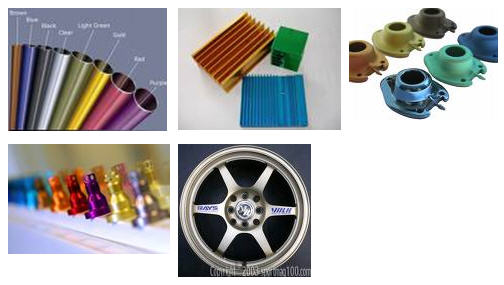
Image:
(vt) อนันต์
บริสุทธิ์ผุดผ่อง entirely pure
(n, vi, vt, modal, verb, aux, verb, adj, adv, prep, conj, pron, phrase, jargon, slang, colloq, vulgar, abbrev, name, o)
[เบเนช โนเทชั่น] (n) ระบบการจดบันทึกการเคลื่อนไหวของร่างกาย ที่ใช้สำหรับการเต้นบัลเลต์ เป็นระบบที่นิยมและแพร่หลายสำหรับผู้ที่เรียนศิลปะการเต้นบัลเลต์ มีคุณสมบัติคล้ายคลึงกับระบบของลาบาน (Labanotation) แต่จะนิยมใช้ระบบเบเนชในการจดบันทึกท่าเต้นรำของบัลเลต์มากกว่า, See Also: Labanotation, Syn. Dance Notation
(n) โรคปอดฝุ่นฝ้าย
(n) แบงค์ 100 ดอลลาร์, ธนบัตรหนึ่งร้อยดอลลาร์
(phrase) เทียบไม่ติด
(n) สารก่อมะเร็ง
ฤทธิ์ก่อมะเร็ง
[(เซลโล-แพน นูเดิล)] (n, adj) วุ้นเส้น ผลิตภัณฑ์ที่ทำมาจากแป้งของถั่วเขียวเส้นเล็กๆกลมๆยาวๆ ไม่มีสี
(n) ความหมายพิเศษของคำซึ่งมีอยู่กับผู้ใช้ภาษาแต่ละคน เช่น "แมว" บางคนอาจนึกถึงความสะอาดน่ารัก ขณะที่บางคนอาจนึกถึงการกินหนูซึ่งสกปรกน่ารังเกียจ
(name) เทพแห่งเวลาของกรีก หรือบางแห่งก็ว่าเป็นเทพแห่งการเก็บเกี่ยว เป็นบิดาของมหาเทพซูสที่ถูกล้างอำนาจโดยฝีมือของซูส
ภาวะผิวคล้ำเขียวเนื่องจากขาดออกซิเจน
(adv) ใหม่, อีกครั้ง
(vi) กำหนดในรูปหน่วยค่าเงิน เช่น บาทต่อลิตร
รองข้าหลวง เป็นตำแหน่งข้าราชการพลเรือนฝ่ายปกครองในดินแดนของสหราชอาณาจักร ตำแหน่งนี้ปรากฏเฉพาะอาณานิคมในทวีปอเมริกาเหนือ เทียบได้ตำแหน่งผู้ช่วยข้าหลวง (Lieutenant-Governor) ในอาณานิคมอื่นๆ
(phrase, colloq) ผมไม่รู้ (มาจากคำว่า I don't know) เป็นภาษาที่ไม่เป็นทางการอย่างมากของ British English
(n) พื้นที่หลักเศรษฐกิจ (ไม่ใช่ 'ระเบียงเศรษฐกิจ')
(phrase) การประหยัดจากขนาดของธุรกิจหรือกำลังการผลิต
(n) เห็ดเข็มทอง
(n) การศึกษาเรื่องไวน์, การทำไวน์ และการปลูกองุ่น, Syn. viticulture
(n) สรีรศาสตร์
เป็นขั้นตอนในระหว่างที่ใช้กล้องส่องมีความยืดหยุ่นขนาดเล็กถูกนำมาใช้ผ่านทางปาก (หรือ, ที่มีลำกล้องขนาดเล็ก, ผ่านจมูก)และขั้นสูงผ่านหอย, หลอด, กระเพาะอาหาร, และไส้
(n) เขตเศรษฐกิจยุโรป (European Economic Area หรือ EEA)
Finance technology and stock market investment
(n) การจัดกลุ่ม หรือ แบ่งกลุ่ม อย่างไม่เป็นทางการ มีที่มาจากคำว่า folk + taxonomy
การผ่าตัดทางเดินระหว่างกระเพาะอาหารและลําไส้เล็กส่วนต้น
ผู้ว่าราชการจังหวัด
ผู้ว่ากทม.
(n) ผู้ว่าราชการจังหวัด
(n) ข้าหลวงต่างพระองค์ในดินแดนของอังกฤษ
(n) ข้าหลวงสำเร็จราชการ
(n, slang) ภาวะการรับประทานอาหารที่ผิดปกติ โดยมักจะเกิดขึ้นกับผู้หญิงที่ยอมอดอาหารเพื่อที่จะใส่ชุดสวย ๆ สำหรับเทศกาลฮัลโลวีน, See Also: halloween
(n) วิชาการเรือน
(n, adv) เป็นเกียรติ
(n) เกียรตินิยม
พลเมืองกิตติมศักดิ์
(adj) มีอำนาจในการสะกดจิต
I'll let you know more.
จะแจ้งให้ทราบอีกที
(sentence) ฉันคิดว่าไม่เป็นเช่นนั้น, ฉันคิดว่าคงจะไม่
(idm) อย่างน้อย
Thai-English: NECTEC's Lexitron-2 Dictionary [with local updates] NECTEC Lexitron-2 Dictionary (TH-EN)
(n) advanced technologies, Syn. เทคโนโลยีทันสมัย, Ant. เทคโนโลยีรุ่นเก่า, Example:คอมพิวเตอร์เป็นปัจจัยสำคัญในการพัฒนาเทคโนโลยีสมัยใหม่เกือบทุกชนิด, Unit:ชนิด
(n) biotechnology, Thai Definition:เทคโนโลยีแขนงหนึ่งที่เกี่ยวกับการนำเอาระบบของสิ่งมีชีวิตเล็กๆ มาใช้ในกระบวนการแปรรูปเพื่อประโยชน์ทางด้านอุตสาหกรรม การแพทย์ หรือวิทยาศาสตร์แขนงอื่นๆ
(n) intravenous drug, See Also: intravenous injection, Example:การคุมกำเนิดมีหลายวิธี เช่น ยาเม็ด ยาฉีด ห่วงอนามัย ถุงยางอนามัย ยาฝังใต้ผิวหนัง การทำหมันหญิงและชาย, Thai Definition:ยาที่เข้าสู่ร่างกายโดยวิธีการฉีด
(n) political economy, Example:หนังสือเล่มนี้กล่าวถึงเศรษฐศาสตร์การเมือง ทฤษฎีการเมือง การเมือง และรัฐบาลของอังกฤษ
(n) sleeping pill, See Also: hypnotics, hypnotic drug, sedative, tranquilizer, antidepressant, Example:ยานอนหลับและยากล่อมประสาทห้ามซื้อกินเอง ถ้าจะกินต้องให้หมอสั่งยา, Thai Definition:ยาที่มีฤทธิ์กดประสาททำใหหลับ
(n) fame, See Also: greatness, known, distinction, popularity, eminence, reputation, Syn. ความเด่น, ความดัง, Example:ดาราบางคนจัดกิจกรรมเพื่อผู้ด้อยโอกาสเป็นแล้วออกข่าวเผยแพร่ค่อนข้างใหญ่โตก็มีจุดประสงค์เพื่อความเด่นดังของตนเอง
(n) simplicity, See Also: easiness, no luxury, Ant. ความหรูหรา, ความฉูดฉาด, Example:พิพิธภัณฑ์ในภาคอีสานเน้นความเรียบง่ายแต่มีความหมายต่อชุมชนโดยพิพิธภัณฑ์ประเภทนี้จะมีลักษณะไม่หรูหรา โอ่โถง และไม่จำเป็นต้องมีพื้นที่กว้างขวางใหญ่โต, Thai Definition:ไม่ฉูดฉาด, ไม่หรูหรา
(n) difference, See Also: not equality, Syn. ความแตกต่าง, Ant. ความเท่าเทียม, ความเสมอภาค, Example:ในปัจจุบันประเทศไทยยังมีปัญหาความเหลื่อมล้ำในการกระจายรายได้อยู่มาก, Thai Definition:ความไม่เท่าเทียมกัน
(n) volcano, Example:เกาะชวาเป็นเกาะที่เกิดจากการเรียงตัวของภูเขาไฟมากมายหลายลูก, Unit:ลูก, Thai Definition:ภูเขาที่เกิดขึ้นโดยการปะทุของหินหนืดร้อนแรงดันสูงใต้เปลือกโลก
(v) take (down) notes, See Also: make a note of something, Syn. เขียนบันทึก, Example:ผู้ควบคุมเครื่องควรจดบันทึกปัญหาที่เกิดขึ้นในขณะปฏิบัติงานแล้วแจ้งให้นักโปรแกรมระบบทราบเพื่อทำการแก้ไข, Thai Definition:ที่รับภาพ
(v) have no chance, Example:การพัฒนาชุมชนมักมุ่งสู่ชุมชนชนบทอันเป็นชุมชนที่ด้อยโอกาสทางสังคมหรือเสียเปรียบสังคม, Thai Definition:ไม่มีโอกาส
(adv) ceaselessly, See Also: non-stop, continuously, without cease, Example:สุนัขแกว่งหางดุ๊กดิ๊กเมื่อเห็นเจ้าของของมัน, Thai Definition:ลักษณะอาการไม่อยู่นิ่ง
(n) reformer, See Also: modernizer, innovator, Example:การชูภาพลักษณ์ของความเป็นนักปฏิรูปของผู้สมัครจากพรรคกลับเป็นจุดอ่อนที่ถูกพรรคตรงข้ามหยิบยกมาโจมตี
(v) be respectable, See Also: be honorable, Example:ท่านไปไหว้พระและสิ่งศักดิ์สิทธิ์ที่น่าเคารพนับถือเกือบทั่วประเทศแล้วเช่น พระธาตุดอยสุเทพ จังหวัดเชียงใหม่ พระธาตุช่อแฮ จังหวัดแพร่, Thai Definition:สมควรจะให้ความเคารพ
(v) be at ease, See Also: be relaxed, have no emotion, motionless, refrain from action, Syn. นอนใจ, นิ่งเฉย, Example:กรมตำรวจไม่ได้นิ่งนอนใจในคดีหลังจากพบหลักฐานสำคัญที่เป็นประโยชน์ต่อคดี
(n) nobleman, See Also: one of high birth, Ant. ผู้ต่ำต้อย, Example:พระเจ้าหลุยส์ที่ 13 ทรงให้สมญาริเชอลิเยอว่าผู้สูงศักดิ์, Thai Definition:ผู้มียศศักดิ์สูง
(n) an honor person, Syn. ผู้มีเกียรติ, Example:ผู้ทรงเกียรติทั้งสองท่านนี้ มีส่วนในการกำหนดยุคสมัยของประวัติศาสตร์ผู้คนทั่วโลก, Unit:คน, ท่าน
(n) the north-eastern part, See Also: the Northeast, Syn. ภาคตะวันออกเฉียงเหนือ, Example:ภาคอีสานของไทยมีจรรยาปฏิบัติทางสังคมอย่างเคร่งครัดเรียกว่า ฮีตสิบสอง, Thai Definition:บริเวณที่อยู่ทางตะวันออกเฉียงเหนือของประเทศ
(v) be inappropriate, See Also: should not, ought not to, Ant. สมควร, Example:บุพการีเป็นของสูง มิบังควรที่เราจะกระด้างกระเดื่องต่อท่าน, Thai Definition:ไม่ควรอย่างยิ่ง
(adj) amateur, See Also: nonprofessional, Ant. มืออาชีพ, Example:คุณประพันธ์ได้เอื้อเฟื้ออาสาเป็นมัคคุเทศก์มือสมัครเล่นให้กับพวกเรา, Unit:คน
(n) amateur, See Also: nonprofessional, Ant. มืออาชีพ, Example:เรื่องถ่ายภาพนั้น ผมคิดเสมอว่าผมเป็นแค่มือสมัครเล่น, Unit:คน
(v) see through someone's trick, See Also: know someone's trick, Syn. รู้ทัน, Example:วิชากฎหมายสอนให้คนเราฉลาด รู้เท่าทันเล่ห์เหลี่ยมของคนทุจริตมิจฉาชีพทั้งหลาย, Thai Definition:รู้เท่าและรู้ทัน
(v) exactly know, See Also: realize, be aware of, be sure, be certain, be confident, Syn. รู้แก่ใจ, รู้อยู่แก่ใจ, Example:ตั้งแต่นี้ผมคงไม่เตือนเขาอีกแล้ว เพราะรู้แน่แก่ใจแล้วว่าเขาไม่ได้ใส่ใจกับคำพูดของผม
(v) know, See Also: realize, understand, Syn. ทราบเรื่องราว, Example:ตัวเธอเองแทบไม่เคยรู้เรื่องราวอะไรเกี่ยวกับตัวพ่อเลย
(v) wander, See Also: be nomadic, have no permanent home, Syn. พเนจร, เร่ร่อน, ร่อนเร่พเนจร, เร่ร่าย, Example:เมื่อก่อนมนุษย์เราร่อนเร่หาที่อยู่อาศัยไปเรื่อยๆ ไม่มีหลักแหล่งแน่นอน, Thai Definition:เที่ยวเตร่ซัดเซพเนจรไปไม่มีหลักแหล่งแน่นอน
(v) have no obligation, Example:เขาลอยตัวไปคนเดียวแล้ว ปล่อยให้ฉันกับพี่สาวต้องแบกรับหนี้สิ้นทั้งหมดแทน, Thai Definition:หมดภาระหรือพ้นข้อผูกพัน
(n) terminology, Example:เจ้าหน้าที่ตรวจสอบการใช้ศัพท์บัญญัติให้ถูกต้องตามกฎเกณฑ์ของราชบัณฑิตยสถาน, Unit:คำ, Thai Definition:คำที่กำหนดให้ใช้จากคำที่แปลมาจากภาษาอื่น
(n) economic sector, Syn. แวดวงเศรษฐกิจ, Example:เขาเป็นผู้นำในวงการเศรษฐกิจที่ริเริ่มระบบเศรษฐกิจแนวใหม่, Unit:วงการ, Thai Definition:หน่วยงานและกลุ่มบุคคลที่เกี่ยวข้องกับเศรษฐกิจ
(v) not sleep at all, See Also: not have a wink of sleep, not sleep a wink, Example:ทีมตำรวจอดหลับอดนอนหลายคืนติดต่อกันเพื่อวางแผนจับกุมคนร้ายให้ได้, Thai Definition:ไม่ได้นอน
(v) be puzzled, See Also: be confused, be perplexed, be nonplussed, be dizzy, be stunned, be dazed, be stumped, Syn. งง, งงก๊ง, Example:เมื่อเจอคำถามข้อนี้ ผมงงเต้กเลย, Thai Definition:ไม่อาจจะคิดได้อย่างกระจ่าง, Notes:(สแลง)
(adj) quick to know, Ant. จมูกช้า, Example:ฉันต้องเอาตัวรอดโดยต้องเป็นคนหูตาไว เป็นคนจมูกไว, Thai Definition:ได้กลิ่นไว, ได้ข่าวเร็ว, Notes:(ปาก)
(v) cannot make head or tail of, Syn. วุ่นวาย, ไร้ระเบียบ, Example:คณะผู้แทนเจรจาฝ่ายอิสราเอลจับต้นชนปลายไม่ถูกกับท่าทีของซีเรีย
(v) cannot look for the one who makes trouble, Example:อำนาจป่าเถื่อนคุกคามเอาชีวิตผู้คนไปทิ้งโดยยังจับมือใครดมไม่ได้, Thai Definition:หาคนทำผิดไม่ได้, Notes:(สำนวน)
(adj) prominent, See Also: outstanding, remarkable, conspicuous, distinguished, notable, marked, Syn. เริ่ด, เลิศ, Example:เขารับบทจ๊าบเป็นโรมิโอ ที่ดูคล้ายลูกรัฐมนตรีเมืองไทยบางคน, Thai Definition:เด่นสะดุดตา, Notes:(สแลง)
(v) It doesn't matter, See Also: never mind, no matter, don't worry, Syn. ช่างมัน, Ant. แยแส, ใส่ใจ, Example:ชั่งแม่งมัน มันทำยังไงก็ได้อย่างนั้นแหละ, Thai Definition:ปล่อยไปโดยไม่สนใจ
(v) It doesn't matter, See Also: never mind, no matter, don't worry, Syn. ช่างมัน, Ant. แยแส, ใส่ใจ, Example:ชั่งหัวมันเถอะ เราเสียเงินไปแค่นี้ไม่นานก็คงหาได้ อย่าไปเสียดายมัน, Thai Definition:มันจะเป็นอย่างไรก็เป็นไป
(adj) brand-new, See Also: novel, new, Syn. ใหม่เอี่ยม, เอี่ยมอ่อง, เรี่ยม, เรี่ยมเร้เรไร, Ant. เก่า, Example:พ่อเพิ่งถอยรถคันใหม่ซิงซิงมาจากโชว์รูม
Thai-English-French: Volubilis Dictionary 1.0 Volubilis Dictionary (TH-EN-FR)
[ābat] (n) EN: offence ; infringement ; misdemeanor ; offense FR: transgression [ f ] ; infraction [ f ]
[āchānai] (adj) EN: highborn ; of noble birth ; well-bred ; wellborn ; well-trained
[aēp-aēp søn-søn] (adv) EN: furtively ; surreptitiously ; covertly ; secretly ; stealthily FR: furtivement ; subrepticement ; sournoisement ; en secret ; à la dérobée
[aēp-baēo] (v) EN: make oneself look younger ; present an innocent demeanour FR: vouloir paraître jeune ; se donner des allures d'adolescent
[Aepfarikā Neūa] (n, prop) EN: North Africa ; Northern Africa FR: Afrique du Nord [ f ]
[Aepfarikā Tøn Neūa] (n, prop) EN: North Africa ; Northern Africa FR: Afrique du Nord [ f ]
[āhān] (n) EN: food ; meal ; dish ; nutrition FR: nourriture [ f ] ; alimentation [ f ] ; aliment [ m ] ; repas [ m ] ; plat [ m ] ; cuisine [ f ]
[āhān bamrung] (n, exp) EN: nourishing food ; nourishment FR: aliment nourissant [ m ]
[āhān chāe khaeng] (x) EN: frozen food FR: nourriture surgelée [ f ] ; repas surgelé [ m ]
[āhān Farang] (n, exp) EN: western food ; European food FR: cuisine occidentale [ f ] ; nourriture occidentale [ f ] ; cuisine européenne [ f ]
[āhān Farangsēt] (n, exp) EN: French food ; French cuisine FR: cuisine française [ f ] ; nourriture française [ f ]
[āhān haēng] (n, exp) EN: dried food FR: aliment séché [ m ] ; nourriture séchée [ f ]
[āhān Jīn] (n, exp) EN: Chinese food ; Chinese cuisine FR: cuisine chinoise [ f ] ; nourriture chinoise [ f ]
[āhān krapǿng] (n, exp) EN: canned food ; tinned foods FR: nourriture en conserve [ f ] ; nourriture en boîte [ f ]
[āhān mangsawirat] (n, exp) EN: vegetarian food FR: cuisine végétarienne [ f ] ; nourriture végétarienne [ f ] ; alimentation végétarienne [ f ]
[āhān samretrūp] (n, exp) EN: instant meal ; delicatessen FR: nourriture instantanée [ f ]
[āhān Thai] (n, exp) EN: Thai food ; Thai cuisine FR: cuisine thaïe [ f ] ; cuisine thaïlandaise [ f ] ; nourriture thaïe [ f ]
[āhān Yīpun] (n, exp) EN: Japanese food ; Japanese cuisine FR: cuisine japonaise [ f ] ; nourriture japonaise [ f ]
[ahōsikam] (n) EN: non-existence of the consequences for sins ; cancellation of penalties for all sins ; forgiveness of sin FR: pardon [ m ]
[Ailaēn Neūa] (n, prop) EN: Northern Ireland FR: Irlande du Nord [ f ]
[aiōsnōfīa] (n) EN: ionosphere FR: ionosphère [ f ]
[ājāt] (n) EN: cucumber slices and onions in vinegar ; pickles FR: achards [ mpl ] ; concombre et oignon macérés dans du vinaigre
[alōha] (n) EN: non-metal FR: non-métal [ m ]
[Amērikā Neūa] (n, prop) EN: North America FR: Amérique du Nord [ f ]
[ammāt] (n) EN: elite bureaucrats ; high-ranking civil servants ; elite FR: élite bureaucratique [ f ] ; nomenklatura [ f ] ; aristocratie [ f ]
[ammāttaya] (n) EN: elite bureaucrats ; elite ; amataya FR: élite bureaucratique [ f ] ; nomenklatura [ f ] ; aristocratie [ f ]
[an] (classif, (n)) EN: [ classifier : small objects ; pieces of candy ; ashtrays ; round objects ; objects with unknown classifiers ] FR: [ classificateur : petits objets ; choses en général ]
[ān] (v) EN: pronounce FR: prononcer
[anājān] (adj) EN: obscene ; lewd ; pornographic ; indecent ; immoral FR: obscène ; pornographique ; porno (fam.) ; indécent ; immoral
[Anfrēt Nōbēn] (n, prop) EN: Alfred Nobel FR: Alfred Nobel
[āng āpnām] (n) EN: that tub ; tub FR: baignoire [ f ]
[āng-ing] (n) EN: reference FR: référence [ f ] ; note [ f ]
[aninsī] (adj) EN: inorganic FR: inorganique
[ān khamphiphāksā khadī] (v, exp) EN: pronounce a judgement/judgment (Am.)
[ān nawaniyāi] (v, exp) EN: read a novel FR: lire un roman
[anu-] (pref) EN: sub- , minor-, micro-, junior- (pref.) FR: sous- , micro- , hypo-
[anukrom withān sat] (n, exp) EN: taxonomy FR: taxinomie animale [ m ] ; taxonomie animale [ f ]
[anumōthanā] (v) EN: be glad for s.o. ; rejoice in another's good fortune ; congratulate ; say amen
[anuphāk nānō] (n) EN: nanoparticles FR: nanoparticule [ f ] ; microparticule [ f ]
[ān wā] (v, exp) EN: be read ; be pronounced FR: se lire ; se prononcer ; se dire ; prononcer
[ān yāngrai] (v, exp) EN: how to pronounce ? FR: comment doit-on prononcer ?
[ao hū pai nā ao tā pai rai] (xp) EN: ignore ; fail deliberately to pay attention FR: ignorer délibérément
[ao sīeng thammadā] (v, exp) FR: parler d'une voix normale
[ap-āi] (v) EN: be ashamed FR: être honteux ; être déshonoré
[ap-āi khāinā] (v, exp) EN: be disgraceful ; be shameful ; be ashamed FR: être déshonoré
[apakati = apokkati] (adj) EN: abnormal
[aphithai] (n) EN: name ; nomenclature
[apjon] (v) EN: be at a loss ; be at one's wit's end ; have no way out ; be at an impasse ; be in a helpless situation ; be in dire straits ; be hard up FR: être en situation de détresse ; être au bout du rouleau ; se trouver dans une impasse
[appayot] (n) EN: shame ; disgrace ; dishonour ; ignomity FR: honte [ f ]
[appayot] (adj) EN: defamed ; shameful ; disgraceful ; ignominious FR: ignoble ; honteux
CMU English Pronouncing Dictionary Dictionary [with local updates] CMU Pronouncing Dictionary
Oxford Advanced Learners Dictionary (pronunciation guide only) Oxford Advanced Learners Dictionary
Longdo Dictionary ภาษา อังกฤษ (EN) - อังกฤษ (EN) (UNAPPROVED version -- use with care ) Longdo Unapproved EN - EN **ระวัง คำแปลอาจมีข้อผิดพลาด**
anorak
(slang) a person who has a very strong interest, perhaps obsessive, in niche subjects. This interest may be unacknowledged or not understood by the general public
Non-parasitic pathogens
(n) they do not receive any food, minerals, or water from host plants where the organism grows but can cause disease in host plants
Non-parasitic pathogens
(n) do not receive any food, minerals, or water from host plants where the organism grows but can cause disease in host plants
pseudomembranös { adj }
Is the term that describes a false membrane or tissue.
pseudomembranös { adj }
(n) Is the term that describes a false membrane or tissue.
turnoff
demotivating factor
Chinese-English: CC-CEDICT Dictionary CC-CEDICT CN-EN Dictionary
[的, de] of; structural particle: used before a noun, linking it to preceding possessive or descriptive attributive #2
[而, ér] and; as well as; and so; but (not); yet (not); (indicates causal relation); (indicates change of state); (indicates contrast) #39
[把, bǎ] to hold; to contain; to grasp; to take hold of; a handle; particle marking the following noun as a direct object; classifier for objects with handle #62
[家, jiā] home; family; classifier for families or businesses; refers to the philosophical schools of pre-Han China; noun suffix for specialists in some activity such as musician or revolutionary, corresponds to English -ist, -er, -ary or -ian; surname Jia #92
[名, míng] name; noun (part of speech); place (e.g. among winners); famous; classifier for people #108
[回, huí] to circle; to go back; to turn around; to answer; to return; to revolve; Hui religious minority (Chinese Muslims); time; classifier for acts of a play; section or chapter (of a classic book) #310
[未, wèi] not yet; did not; have not; not; 8th earthly branch: 1-3 p.m., 6th solar month (7th July-6th August), year of the Sheep #346
Longdo Dictionary ภาษา อังกฤษ (EN) - จีน (ZH) (UNAPPROVED version -- use with care ) Longdo Unapproved EN - CN **ระวัง คำแปลอาจมีข้อผิดพลาด**
biotechnology
(n) 生物工学
Japanese-Thai-English: Saikam Dictionary Saikam JP-TH-EN Dictionary
好む
[このむ, konomu] TH: ชอบ
好む
[このむ, konomu] EN: to like
好む
[このむ, konomu] TH: ชอบมากกว่า
残る
[のこる, nokoru] TH: ยังเหลือ
残る
[のこる, nokoru] TH: ค้างอยู่
残る
[のこる, nokoru] EN: to be left
取り除く
[とりのぞく, torinozoku] TH: ขจัดออก
取り除く
[とりのぞく, torinozoku] EN: to remove
取り除く
[とりのぞく, torinozoku] TH: กำจัดออกไป
取り除く
[とりのぞく, torinozoku] EN: to take away
整う
[ととのう, totonou] TH: จัดเป็นระเบียบ
整う
[ととのう, totonou] EN: to be put in order
整う
[ととのう, totonou] TH: เป็นระเบียบ
整う
[ととのう, totonou] EN: to be arranged
整う
[ととのう, totonou] TH: พร้อมแล้ว
整う
[ととのう, totonou] EN: to be prepared
技術
[ぎじゅつ, gijutsu] TH: เทคโนโลยี
技術
[ぎじゅつ, gijutsu] EN: technology
登る
[のぼる, noboru] TH: ปีน
ぶつける
[ぶつける, butsukeru] TH: ตีให้ล้มไป
ぶつける
[ぶつける, butsukeru] EN: to knock
乗せる
[のせる, noseru] TH: วางลงบน
乗せる
[のせる, noseru] EN: to place on (something)
乗せる
[のせる, noseru] TH: ให้ติดรถไปด้วย
乗せる
[のせる, noseru] EN: to take on board
乗せる
[のせる, noseru] TH: ให้ร่วมวงด้วย
食べ物屋
[たべものや, tabemonoya] TH: สถานที่ขายของกิน
食べ物屋
[たべものや, tabemonoya] EN: eating place
頼む
[たのむ, tanomu] TH: ขอร้อง
頼む
[たのむ, tanomu] EN: to request
頼む
[たのむ, tanomu] TH: อ้อนวอน
頼む
[たのむ, tanomu] EN: to beg
述べる
[のべる, noberu] TH: กล่าว
述べる
[のべる, noberu] EN: to state
述べる
[のべる, noberu] TH: แสดงความเห็น
述べる
[のべる, noberu] EN: to express
述べる
[のべる, noberu] TH: พูดถึง
述べる
[のべる, noberu] EN: to mention
機能
[きのう, kinou] TH: ฟังก์ชัน
機能
[きのう, kinou] TH: หน้าที่การทำงาน
機能
[きのう, kinou] EN: faculty
乗り出す
[のりだす, noridasu] TH: ออกเรือ
乗り出す
[のりだす, noridasu] EN: embark on
乗り出す
[のりだす, noridasu] TH: เริ่มลงมือ
サービス
[さーびす, sa-bisu] TH: ให้ฟรีไม่คิดค่าบริการ
サービス
[さーびす, sa-bisu] EN: no charge
伸ばす
[のばす, nobasu] TH: ยืดเส้นยืดสาย
伸ばす
[のばす, nobasu] EN: to stretch (vt)
伸ばす
[のばす, nobasu] TH: ขยาย
伸ばす
[のばす, nobasu] EN: to extend
一人占め
[ひとりじめ, hitorijime] TH: ครอบครองเป็นเจ้าของแต่เพียงผู้เดียว
一人占め
[ひとりじめ, hitorijime] EN: monopoly
別物
[べつもの, betsumono] TH: คนละอันกัน
別物
[べつもの, betsumono] EN: another thing
別物
[べつもの, betsumono] TH: คนละเรื่อง
別物
[べつもの, betsumono] EN: exception
別物
[べつもの, betsumono] TH: กรณีพิเศษ
別物
[べつもの, betsumono] EN: special case
存じる
[ぞんじる, zonjiru] TH: ทราบ(รูปถ่อมตนของผู้พูด)
存じる
[ぞんじる, zonjiru] EN: to know (hum)
見逃す
[みのがす, minogasu] TH: มองพลาด
見逃す
[みのがす, minogasu] EN: to miss
見逃す
[みのがす, minogasu] TH: มองข้าม
見逃す
[みのがす, minogasu] EN: to overlook
最初
[さいしょ, saisho] TH: อันแรก สิ่งแรก
最初
[さいしょ, saisho] EN: first (a-no)
名乗る
[なのる, nanoru] TH: อ้างชื่อ
名乗る
[なのる, nanoru] EN: to call oneself (name, label, etc)
逃す
[のがす, nogasu] TH: ปล่อยไป
逃す
[のがす, nogasu] EN: to let loose
延びる
[のびる, nobiru] TH: ยืดออกไป
その他
[そのほか, sonohoka] TH: และอื่น ๆ
その他
[そのほか, sonohoka] EN: etc.
小物入れ
[こものいれ, komonoire] TH: ถุงหรือกล่องที่ใช้สำหรับใส่ของจุกจิกเช่นเครื่องสำอาง กิ๊ฟ เป็นต้น
小物入れ
[こものいれ, komonoire] EN: an accessory case
載る
[のる, noru] TH: ตีพิมพ์
載る
[のる, noru] EN: to appear (in print)
載る
[のる, noru] TH: บันทึก
載る
[のる, noru] EN: to be recorded
物
[もの, mono] TH: สิ่งของ
物
[もの, mono] EN: thing
物
[もの, mono] TH: วัตถุ
物
[もの, mono] EN: object
可能
[かのう, kanou] TH: เป็นไปได้
可能
[かのう, kanou] EN: possible (an)
可能
[かのう, kanou] TH: มีทางเป็นไปได้
可能
[かのう, kanou] EN: practicable
乗り換える
[のりかえる, norikaeru] TH: เปลี่ยน(รถ)
乗り換える
[のりかえる, norikaeru] EN: to transfer (trains)
家政
[かせい, kasei] TH: การเรือน
家政
[かせい, kasei] EN: household economy
ノート
[のーと, no-to] TH: สมุดบันทึก บันทึก
ノート
[のーと, no-to] EN: notebook
Japanese-English: EDICT Dictionary EDICT JP-EN Dictionary
[no] (prt) (See 乃) indicates possessive among other uses (for full details and examples see the main entry (linked)) #1
[ha] (prt) (1) (pronounced わ in modern Japanese) topic marker particle; (2) indicates contrast with another option (stated or unstated); (3) adds emphasis; (P) #4
[shi] (prt, conj) (at the end of a phrase) notes one (of several) reasons; (P) #11
[sa] (suf) (1) -ness (nominalizing suffix indicating degree or condition); (prt) (2) (sentence end, mainly masc.) indicates assertion; (int) (3) (See さあ) come; come now; (P) #15
[もの(P);もん, mono (P); mon] (n, suf) someone of that nature; someone doing that work #16
[もの(P);もん, mono (P); mon] (n) person (rarely used w.o. a qualifier); (P) #16
[nai] (aux-adj) (1) not (verb-negating suffix; may indicate question or invitation with rising intonation); (suf, adj-i) (2) (See 忙しない) emphatic suffix (used after the root of an adjective); (P) #27
[he] (prt) (pronounced え in modern Japanese) indicates direction or goal (e.g. "to"); (P) #30
[ya] (prt) (1) such things as (non-exhaustive list related to a specific time and place); and ... and; (2) (See や否や) (after the dictionary form of a verb) the minute (that) ...; no sooner than ...; (int) (3) punctuational exclamation in haiku, renga, etc.; (aux) (4) (ksb #31
[toshite] (exp) (1) as (i.e. in the role of); for (i.e. from the viewpoint of); (2) apart from... (used to change the topic); (3) (before a negative form) even (e.g. "not even a single person"); (4) (See とする・1) (after a volitional form) thinking that...; trying to...; (P) #33
[さくじょ, sakujo] (n, vs, adj-no) elimination; cancellation; deletion; erasure; DEL (key); (P) #37
[reru ; rareru] (aux-v, v1) (1) (れる for 五段 verbs, られる for 一段. Follows the imperfective form of (v5) and (vs) verbs) (See 未然形, 迷惑の受身・めいわくのうけみ) indicates passive voice (inc. the "suffering passive"); (2) (no imperative form. Infrequently used in modern Japanese, e.g. 歩ける is favoured over 歩かれる) (See ら抜き言葉・らぬきことば) indicates the potential form; (3) (no imperative form) indicates spontaneous occurrence; (4) (hon) (no imperative form) used as an honorific for others' actions #41
[n] (int) (1) (abbr) used to express approval, especially in slurred or unclear speech (abbr. of interjection "un"); (2) (See ぬ・1) negative verb ending used in informal speech (abbr. of negative verb ending "nu"); (3) (See 乃・の) abbr. of particle "no"; (4) (See に) abbr. of particle "ni" (used especially when it precedes the verb "naru") #43
[you] (aux-v) (1) (non-五段 verbs, e.g. 食べよう) indicates speculation; (2) indicates will; (3) indicates invitation #44
[へんしゅう, henshuu] (n, vs, adj-no) editing; compilation; editorial (e.g. committee); (P) #47
[ひと, hito] (suf) (1) -ian (e.g. Italian, etc.) (attaches to name of country to denote nationality); -er (e.g. performer, etc.) (attaches to name of occupation); (2) (usu. in compound words) man; person; people; (P) #49
[no-to] (n, vs) (1) (abbr) (See ノートブック) notebook; copy-book; exercise book; (2) note; (n) (3) notebook PC; (P) #73
[san] (suf) (1) Mr, Mrs, Miss or Ms; (2) honorific used with occupational titles; (P) #77
[node (P); nde] (prt) that being the case; because of ...; the reason is ....; given that...; (P) #81
[ほうそう, housou] (n, vs, adj-no) broadcast; broadcasting; (P) #83
[のち, nochi] (n, adj-no) (1) (See 後ずさり) behind; rear; (2) (See その後) after; later; (3) after one's death; (4) remainder; the rest; (5) descendant; successor; heir; (6) (arch) past; previous; (n-adv) (7) more (i.e. five more minutes); (P) #84
[のち, nochi] (n, adj-no) (1) later; afterwards; since; (2) future; (3) after one's death; (4) (arch) descendant; (P) #84
[んち, nchi] (n, adj-no) (1) house; home (one's own); (pn, adj-no) (2) (See 内・うち・4) (one's) family; (one's) household; (P) #90
[んち, nchi] (suf) (See 政治家) -ist (used after a noun indicating someone's occupation, pursuits, disposition, etc.); -er #90
[えいが, eiga] (n, adj-no) movie; film; (P) #100
[どき, doki] (suf) (1) hour; o'clock; (suf, adj-no) (2) (See 緊急時) (specified) time; when ...; during ... #101
[せい, sei] (n, n-suf) (1) nature (of a person or thing); (2) { Buddh } that which does not change according to external influences #103
[しつもん, shitsumon] (n, vs, adj-no) question; inquiry; enquiry; (P) #107
[だい, dai] (pref) (1) the large part of; (2) big; large; great; (suf) (3) approximate size; no larger than; (4) (abbr) (See 大学・1) -university; (n) (5) large (e.g. serving size); loud (e.g. volume setting) #110
[じょう, jou] (n, adj-no, n-adv, n-suf) (1) above; up; over; elder (e.g. daughter); (2) top; summit; (3) surface; on; (4) before; previous; (5) superiority; one's superior (i.e. one's elder); (6) on top of that; besides; what's more; (7) upon (further inspection, etc.); based on (and occurring after); (8) matters concerning...; as concerns ...; (9) (as ...上は) since (i.e. "for that reason"); (n-suf) (10) (hon) (See 父上) suffix indicating higher social standing; (11) (arch) place of one's superior (i.e. the throne); (12) (arch) emperor; sovereign; shogun; daimyo; (13) (arch) noblewoman (esp. the wife of a nobleman); (P) #111
[しょうかい, shoukai] (n, vs, adj-no) introduction; referral; (P) #112
[にほんご(P);にっぽんご, nihongo (P); nippongo] (n, adj-no) Japanese (language); (P) #114
[くらい, kurai] (adv, suf) (1) (orig. from 座居, meaning "seat") throne; crown; (nobleman's) seat; (2) (See 位階) government position; court rank; (3) social standing; rank; class; echelon; rung; (n) (4) grade (of quality, etc.); level; tier; rank; (5) (See 桁・2) digit (e.g. the tens, the hundreds, etc.); place; (6) (See どの位) degree; extent; amount; (P) #116
[nari] (prt) (1) or; whether or not; (2) (after dictionary form verb) as soon as; right after; (3) (after past tense verb) while still; with previous state still in effect; (P) #130
[きゃくちゅう, kyakuchuu] (n) footnote #138
[じこ, jiko] (n, adj-no) self; oneself; (P) #142
[まえ, mae] (n-pref) (1) (See 前・まえ) the last (i.e. immediately preceding) (e.g. "the last mayor"); previous; one-time; former; (2) (before the name of an era) pre- (e.g. "premodern"); (adj-no, n) (3) before; earlier; (P) #147
[だいひょう, daihyou] (n, vs, adj-no) representative; representation; delegation; type; example; model; (P) #148
[しゅっしん, shusshin] (n, adj-no) (1) person's origin (town, city, country, etc.); (2) institution from which one graduated; (3) director in charge of employee relations; (P) #155
[かり, kari] (n, adj-no) (1) temporary; provisional; interim; (2) fictitious; assumed (name); alias; (P) #156
[ほう, hou] (suf) (1) honorific pluralizing suffix (used only for people); (2) (also かた) around (the time that, etc.); about #160
[がいぶ, gaibu] (n) (1) the outside; (adj-no) (2) external; (P) #161
[かんれん, kanren] (n, adj-no, vs, suf) relation; connection; relevance; (P) #166
[げんざい, genzai] (n-adv, n-t) now; current; present; present time; as of; (P) #168
[げん, gen] (n) (1) { math } unknown (e.g. in an equation); (2) { math } element (of a set); (3) yuan (monetary unit of China); (4) Yuan dynasty (China) #170
[もと, moto] (n, adj-no, n-adv, n-pref) former; ex- #170
[さら;あら(新);にい(新), sara ; ara ( shin ); nii ( shin )] (n, adj-no) (1) (さら only) (arch) new (i.e. brand-new, never used); (pref) (2) new; (adj-na) (3) (更 only) obvious; natural #173
[た, ta] (n-adv, n, adj-no) other (esp. people and abstract matters); (P) #175
[きのう, kinou] (n, vs) function; facility; faculty; feature; (P) #178
[くせ;クセ, kuse ; kuse] (n) (1) (uk) long segment of a noh play forming its musical highlight; (n-pref) (2) (See 曲者・1) wrong; improper; indecent #188
Japanese-English: COMPDICT Dictionary COMPDICT JP-EN Dictionary
[10しんほう, 10 shinhou] decimal, decimal notation
[いちたいいちのつうしん, ichitaiichinotsuushin] one to one communication
[2こうしき, 2 koushiki] binomial (a-no)
[2しんー5しんほう, 2 shin-5 shinhou] biquinary notation
[2しんデータどうきつうしん, 2 shin de-ta doukitsuushin] binary synchronous communication
[2しんか10しんほう, 2 shinka 10 shinhou] binary-coded decimal notation
[さんじゅうにビットのひろい, sanjuuni bitto nohiroi] 32 bits wide
[I のーど, I no-do] i-node (Unix)
[UAのうりょくのとうろく, UA nouryokunotouroku] UA capabilities registration
[あてさきへんこうのはっしんしゃによるきんし, atesakihenkounohasshinshaniyorukinshi] redirection disallowed originator
[ぎざぎざ, gizagiza] jagged (a-no)
[けたくぎりきのう, ketakugirikinou] punctuation capability
[べきのりうちきりたいきほう, bekinoriuchikiritaikihou] truncated binary exponential back-off
[アースたんしづきのエーシーコンセント, a-su tanshidukino e-shi-konsento] grounded (or earthed) outlet
[アクセスかのう, akusesu kanou] accessible (an)
[アクセスふのう, akusesu funou] unaccessible
[アダプテーションきのう, adapute-shon kinou] adaptation function
[アドレシングかのう, adoreshingu kanou] addressable (an)
[アドレスかのうてん, adoresu kanouten] addressable point
[アドレスしていかのうなきおくいきをもたないけいさんき, adoresu shiteikanounakiokuikiwomotanaikeisanki] calculator without addressable storage
[アドレスしていのうりょく, adoresu shiteinouryoku] addressability
[あべんど, abendo] abnormal termination, abnormal end, abend (abbr.)
[アルファニューメリックひょうきほう, arufanyu-merikku hyoukihou] alphanumeric notation
[アルファベットのご, arufabetto nogo] alphabetic word
[アルファベットひょうきほう, arufabetto hyoukihou] alphabetical notation
[アンチコピーぎじゅつ, anchikopi-gijutsu] anti-copying technology (software)
[あんぱっく10しんひょうきほう, anpakku 10 shinhyoukihou] unpacked decimal notation
[イコールきのう, iko-ru kinou] equals function
[インフィックスひょうきほう, infikkusu hyoukihou] infix notation
[いんらいん, inrain] in-line (a-no)
[ウィンドウビューイングへんかん, uindoubyu-ingu henkan] normalization transformation, Viewing transformation, window-to-viewport transformation
[エージェントのやくわり, e-jiento noyakuwari] agent role
[エラーのけんしゅつとていせい, era-nokenshutsutoteisei] Error Checking and Correcting (ECC)
[えるごのみくす, erugonomikusu] ergonomics
[オブジェクトのリンクとうめこみ, obujiekuto no rinku toumekomi] Object Linking and Embedding, OLE
[オブジェクトぎじゅつ, obujiekuto gijutsu] object technology
[オブジェクトしこう, obujiekuto shikou] object-oriented (a-no)
[かすたむ, kasutamu] custom (a-no)
[カルノーず, karuno-zu] karnaugh map
[きーてくのろじー, ki-tekunoroji-] key technology
[キーボードせいぎょしきのアドレスしていかのうなきおくいきをもつけいさんき, ki-bo-do seigyoshikino adoresu shiteikanounakiokuikiwomotsukeisanki] calculator with keyboard controlled addressable storage
[くあどはいと, kuadohaito] quad-height (a-no)
[クリアエントリーきのう, kuriaentori-kinou] clear entry function
[クロスリファレンスけいしき, kurosurifarensu keishiki] cross-referenced (a-no)
[ぐらふぃっく, gurafikku] graphic (a-no)
[グラフィックきほんようそのひょうじようそう, gurafikku kihonyousonohyoujiyousou] aspects of primitives
[ケーブルのさいこうじ, ke-buru nosaikouji] recabling
[ケーブルのせつだん, ke-buru nosetsudan] cable cut
[コアぎじゅつ, koa gijutsu] core technology
[こんぴゅーたぐらふぃくす の めたふぁいる, konpyu-tagurafikusu no metafairu] Computer Graphics Metafile
Longdo Dictionary ภาษา ญี่ปุ่น (JP) - อังกฤษ (EN) (UNAPPROVED version -- use with care ) Longdo Unapproved JP - EN **ระวัง คำแปลอาจมีข้อผิดพลาด**
取り扱い上の注意
[Toriatsukaijo no chui] (n) Precaution, See Also: R. 予防
German-Thai: Longdo Dictionary Longdo Approved DE-TH
(n) |der| เดือนพฤศจิกายน
(konj) อย่างไรก็ตาม, ทว่า เช่น Er ist schon über 70, dennoch kann er immer noch skifahren. เขาอายุมากกว่าเจ็ดสิบปี อย่างไรก็ตามเขายังสามารถเล่นสกีได้อีก, See Also: S.trotzdem
อีก
(n) |das, pl. Kinos| โรงหนัง
(n) |der, pl. Knöpfe| ปุ่มกด ปุ่มหมุน
(n) |der, pl. Knöpfe| กระดุม
(phrase) เป็นคำด่า, สาบแช่ง (ค่อนข้างหยาบ) เทียบได้กับภาษาอังกฤษว่า Damn it!
(adv, phrase) ถ้า, สมมุติว่า เช่น 1° Angenommen, daß es die Wahrheit ist, würde ich ihn killen. = นี่ถ้ามันเป็นเรื่องจริงนะ ฉันจะไปฆ่ามัน 2° Angenommen, daß du mitfährst, sind wir dann zu viert. = สมมุติว่าเธอไปด้วย ก็จะกลายเป็นสี่คน
(phrase) ไปโรงหนัง เช่น Sollen wir heute abend mal ins Kino gehen? = เย็นวันนี้ เราไปดูหนังกันมั้ย
(n) |der, pl. Knochen| กระดูก
(n) |der, pl. Knöchel| ข้อเท้า
สมมุติว่า (ใช้บ่งสมมุติฐาน) เช่น Angenommen, wir verpassen den Zug. Was machen wir dann? สมมุติว่าพวกเราตกรถไฟ เราควรทำอะไรต่อ
(n) |der, pl. Notfälle| เหตุฉุกเฉิน, กรณีฉุกเฉิน
(vt) |renovierte, hat renoviert| ปรับปรุง(สิ่งก่อสร้าง), ทำให้ใหม่ขึ้น เช่น Das Gebäude wird bald renoviert. ตึกนี้จะถูกปรับปรุงเร็วๆ นี้
(n) |das, pl. Kasinos| ห้องอาหารของเจ้าหน้าที่
(n) |das, pl. Kasinos| บ่อนคาสิโน ซึ่งมีชื่อเรียกเต็มๆ ว่า Spielkasino
(n) |das, pl. Kasinos| ห้องโถงที่ใช้พบปะสังสรรค์หลังเลิกงาน
(n) |der, pl. Astronomen| นักดาราศาสตร์
(n) |die, pl. Notlandungen| การลงจอดฉุกเฉินของเครื่องบิน เช่น Nach dem Start war die Maschine beim Versuch einer Notlandung in ein Hochhaus gestürzt.
(n) |der, pl. Wohnorte| สถานที่พักอาศัย
(n) |die, pl. Knollen| หัวใต้ดินของพืช (หัวมัน หัวเผือก) เช่น Nur die reifen Knollen sind für den Menschen essbar. Gefährlich wird es, wenn gelagerte Kartoffeln auskeimen., Syn. Wurzelknolle
(n) |die, pl. Notwendigkeiten| ความจำเป็น เช่น Es ist keine Notwendigkeit die Waffe bei sich zu führen.
(n) |der, pl. Notausgänge| ทางออกฉุกเฉิน เช่น Notausgänge müssen den Gesetzen und Vorschriften entsprechen. Sie stellen sicher, dass im Gefahrenfall das Gebäude sicher verlassen werden kann.
French-Thai: Longdo Dictionary Longdo Approved FR-TH
|m, ปกติใช้โดยไม่มีการระบุเพศ| วันคริสต์มาส เช่น 1. Noël est le 25 décembre. คริสมาสต์คือวันที่ 25 ธันวาคม 2. Bon Noël! หรือ Joyeux Noël! สุขสันต์วันคริสต์มาส
Image:

Image:
(adj) |-oise| ที่เกี่ยวกับประเทศเดนมาร์ก
(adj) |-e| ที่เกี่ยวกับประเทศสเปน
(n) |m| ชื่อ
(n) ประธาน และ กรรม บุรุษที่ 1 พหูพจน์, พวกเรา
(phrase) แต่...ไม่!, ไม่นะ ไม่ใช่
(n) la, = ลานเล่นสเก็ตน้ำแข็ง
(adj) |f. -e| ที่มีสีดำ
(n) la, = ความสัมพันธ์แบบผัวเดียวเมียเดียว เช่น ชายหนึ่งหญิงหนึ่ง
(adj) ที่เป็นแบบผัวเดียวเมียเดียว (ความสัมพันธ์)
สรรพนามบุรุษที่หนึ่งพหูพจน์ในรูปกรรมตรง เช่น Tu nous accompagnes? เธอติดตามพวกเราไปไหม
สรรพนามบุรุษที่หนึ่งพหูพจน์ในรูปกรรมรอง เช่น Tu nous offres l'entrée? เธออนุญาตให้พวกเราเข้าไปไหม
(n) ซันตาคลอส
Image:

Image:
(adj) |f. nouvelle| ใหม่ เช่น Ce livre est nouveau. -หากใช้ติดกับคำนามให้วางไว้หน้าคำนามเพศชายเอกพจน์ที่ขึ้นต้นด้วยพยัญชนะ เช่น C'est un nouveau livre. -หากคำนามเป็นเพศชายเอกพจน์ขึ้นต้นด้วยสระใช้ nouvel เช่น C'est mon nouvel ami. -หากเป็นคำนามเพศชายพหูพจน์ ให้ใช้ nouveaux เช่น Ce sont les nouveaux livres.
(n) |m| ดินสอ(ปกติไส้สีดำ)
(n) |m| ซานตาคลอส
(n) |m| ทิศเหนือ เช่น Venez découvrir les richesses du nord., "El quelite" est un petit village, situé à 35 kms au nord de Mazatlan.
German-Thai: Longdo Dictionary (UNAPPROVED version -- use with care ) Longdo Unapproved DE-TH **ระวัง คำแปลอาจมีข้อผิดพลาด**
ナンキョウ
[なんきょう] (n) ข่า
ストレス発散
[すとれすはっさん] การผ่อนคลายความเครียด
短期
[たんき] (vt, adj, adv) ระยะส้น, See Also: A. 長期, 中期
短期大学
[たんきだいがく] (n) ปวช., วิทยาลัยเทคนิค, อาชีวศึกษา
関心
[かんしん] (vt) สนอกสนใจ
短期
[たんき] (adj, adv) ช่วงเวลาส้นๆ, See Also: A. 長期, 中期
判断
[はんだん] (n, vi, vt) การตัดสินใจ, ตัดสินใจ
所管
[しょかん] (n, adj) อำนาจในการตัดสิน
平準化
[へいじゅんか] (n) ทำให้กระจายเท่าๆกัน
飲料水
[いんりょうすい, inryousui] (n) น้ำดื่ม, น้ำกิน
立憲君主政体
[りっけんくんしゅせいたい] การปกครองระบอบกษัตริย์ภายใต้รัฐธรรมนูญ
原案
[げんあん] (n) แผนแม่บท
喫煙所
[きつえんじょ] (n) ที่สูบบุหรี่
婚姻登録証
[こんいんとうろくしょう] (n) ทะเบียนสมรส
正規分布
[せいきぶんぷ] (n) การแจกแจงปกติ
莢豌豆
[さやえんどう] (n, adj) ถั่ว, ที่ใช้ถั่ว, See Also: pill, Syn. bead
偽善
[ぎぜん] เจ้าเล่ห์
混乱
[こんらん] (n) ความปั่นป่วน , วุ่ยวาย , โกลาหล
認識
[にんしき] (n) การยอมรับ
選別
[せんべつ] (n, vt) การเลือก การคัดเลือก
バ-ジョン
[ばーしょん] เวอร์ชั่น (Version)
点検
[てんけん] (n, vi) (การ)ตรวจสภาพ, See Also: 調査, Syn. 検査
基板
[きばん] (n) แผ่นวงจรไฟฟ้า, Syn. Printed Circuit Board PCB
換気扇
[かんきせん] (n) พัดลมระบายอากาศ, See Also: 送風機、扇風機
犯行
[はんこう] (n) อาชญากรรม, See Also: 犯人
件
[けん] (n) คดี, เรื่อง หรือ หัวข้อที่เป็นปัญหา, See Also: 事柄、問題
参上
[さんじょう] (n, vi, vt) (การ)เยี่ยม, เยือน, แวะ, มาหา, Syn. 訪問、伺う
追伸
[ついしん] (n) ปัจฉิมลิขิต (ป.ล.)
御膳
[ごぜん] (n) อาหารที่จัดวางในสำรับสำหรับกษัตริย์, See Also: 食事
代金
[だいきん] (n) ค่าใช้จ่าย, มูลค่า, Syn. 代価、価格
相関
[そうかん] (n, vt) ความเกี่ยวข้องกัน, ความเกี่ยวเนื่อง
新形
[しんがた] (n) รุ่นใหม่, โฉมใหม่, Syn. 新型
手付金
[てつけきん] (n) เงินมัดจำ, Syn. 手付
消火栓
[しょうかせん] (n) หัวจ่ายน้ำดับเพลิง, See Also: 火事
反対
[はんたい] (n, prep) ตรงกันข้าม, ...ตรงข้าม, Syn. 逆
炊飯器
[すいはんき] (n) หม้อหุงข้าว
缶切り
[かんきり] (n) ที่เปิดกระป๋อง
文句
[もんく] (n) - ถ้อยคำ, วลี - คำติ, คำต่อว่า, See Also: 文句を言う
ずきんずきん
[ずきんずきん] (vt) ปวดตุบ ๆ (ใส่อารมณ์ว่าปวดมาก) - ปวดฟัน: 歯がずきずきする。 - ปวดฟันมาก : 歯がずきんずきんする。, Syn. ずきずき
ガンガン
[がんがん] (n, vt, adj, adv) -(คำเลียนเสียง) แก๊ง แก๊ง : がんがん音。 - ปวดหัว : 頭ががんがんする。
医院
[いいん] (n) คลีนิก, ห้องตรวจโรค, ห้องรักษาโรค, See Also: 病院、診療室
人文学部
[じんぶんがくぶ] (n) คณะมนุษยศาสตร์
認識
[にんしき] ตระหนัก
貧乏
[びんぼう] (n, vt, adj) ยากจน ตัวอย่าง 私がびんぼう人です。(ฉันเป็นคนจน)
考え物
[かんがえもの] (n) แปลตรงๆ ว่า เป็นสิ่งที่ควรจะต้องพิจารณา. แต่โดยมากใช้ในการแนะนำผู้อื่นไม่ให้ทำสิ่งใดสิ่งหนึ่ง
勘弁
[かんべん] (n) ยกโทษ ขออภัย ในบางครั้งใช้ในการปฏิเสธคำขอร้อง
人口稠密地
[じんこうちゅうみつち] (n) ที่ชุมนุมชน
人口甘味料
[じんこうかんみりょう] (n) น้ำตาลเทียม, น้ำตาลสังเคราะห์
人工呼吸を施す
[じんこうこきゅうをほどこす] (modal, verb) ผายปอด
人工降雨
[じんこうこうう] (n) ฝนเทียม
French-Thai: Longdo Dictionary (UNAPPROVED version -- use with care ) Longdo Unapproved FR-TH **ระวัง คำแปลอาจมีข้อผิดพลาด**
beurre noisette
(n) เนยสีน้ำตาล, เนยเผา, brown butter
beurre noisette
(n) เนยสีน้ำตาล, เนยเผา, brown butter
economic globalization
Economic Globalization Contemporary patterns of economic globalization have been strongly associated with a reframing of the relationship between states and markets. Although the global economy as a single entity is by no means as highly integrated as the most robust national economies, the trends point unambiguously towards intensifying integration within and across regions. Patterns of contemporary economic globalization have woven strong and enduring webs across the world's major regions such that their economic fate is intimately connected. Levels of inter-regional trade are largely unprecedented whilst the form which trade takes has changed considerably. Despite the fact there is a tendency to exaggerate the power of global financial markets, ignoring the centrality of states to sustaining their effective operation especially in times of crisis, there is much compelling evidence to suggest that contemporary financial globalization is a market, rather than a state, driven phenomenon. Reinforced by financial liberalization, the accompanying shift towards markets and private financial institutions as the 'authoritative actors' in the global financial system poses serious questions about the nature of state power and economic sovereignty. Alongside financial integration the operations of multinational corporations integrate national and local economies into global and regional production networks .Under these conditions, national economies no longer function as autonomous systems of wealth creation since national borders are no longer significant barriers to the conduct and organization of economic activity. The distinction between domestic economic activity and worldwide economic activity, as the range of products in any superstore will confirm, is becoming increasingly difficult to sustain. Central to the organization of this new global capitalist order is the multinational corporation. In 1999 there were over 60, 000 MNCs worldwide with 500, 000 foreign subsidiaries, selling $9.5 trillion of goods and services across the globe. Today transnational production considerably exceeds the level of global exports and has become the primary means for selling goods and services abroad. Multinational corporations now account, according to some estimates, for at least 20 per cent of world production and 70 per cent of world trade . It is global corporate capital, rather than states, which exercises decisive influence over the organization, location and distribution of economic power and resources in the contemporary global economy. Contemporary patterns of economic globalization have been accompanied by a new global division of labour brought about, in part, by the activities of multinationals themselves . Developing countries are being re-ordered into clear winners and losers, as the experience of the East Asian tiger economies shows. Such restructuring is, moreover, replicated within countries, both North and South, as communities and particular locales closely integrated into global production networks reap significant rewards whilst the rest struggle on its margins. Economic globalization has brought with it an increasingly unified world for elites - national, regional and global - but divided nations and communities as the global workforce is segmented, within rich and poor countries alike, into winners and losers . Furthermore, the globalization of economic activity exceeds the regulatory reach of national governments while, at the same time, existing multilateral institutions of global economic governance have limited authority because states, still jealously guarding their national sovereignty, refuse to cede these institutions substantial power. Under such conditions, global markets may effectively escape political regulation. For the most part, the governance structures of the global economy operate principally to nurture and reproduce the forces of economic globalization whilst also serving to discipline and streamline this nascent 'global market civilisation'. Yet, in some contexts, these governance structures may carve out considerable autonomy from the dictates of global capital and/or the G7 states. Hence, multilateral institutions have become increasingly important sites through which economic globalization is contested, by weaker states and by the agencies of transnational civil society. The G7 states and representatives of global capital have found themselves on many occasions at odds with collective decisions or rule making . Moreover, the political dynamics of multilateral institutions tend to mediate great power control, for instance through consensual modes of decision making, such that they are never merely tools of dominant states and particular social groupings. Alongside these global institutions, there also exist a parallel set of regional bodies, from APEC to the EU, which represent an additional attempt to shift the terms of engagement with global market forces. Within the interstices of this system operate the social groups of an emerging transnational civil society, from the International Chamber of Commerce to the Jubilee 2000 campaign, seeking to promote, contest and bring to account the agencies of economic globalization. Economic globalization has been accompanied by a significant internationalization of political authority associated with a corresponding globalization of political activity.
ganoderma
เห้ดหลิงจือ
in nomine domine
(phrase) ในนามของพระเจ้า
nokia
[โนเกียร์] (n) โทรศัพท์มือถือยี่ห้อดังแถบยุโรป ในเมืองไทยแพงมาก
not hold mater
(vt) ไม่สมเหตุสมผล, See Also: hold water-ถูกต้อง
nourriture
(n) อาหาร, See Also: manger, Syn. alimentation
nouvell
(n, name, uniq) ใหม่
nouvell
(n, adj, slang, name) ใหม่
nouvelle
(n) ใหม่
prénom
(n) นามสกุล
Longdo Dictionary ภาษา ศัพท์แพทย์ศาสตร์สำหรับคนไทย (MED) - ไทย (TH) (UNAPPROVED version -- use with care ) Longdo Unapproved MED - TH **ระวัง คำแปลอาจมีข้อผิดพลาด**
alkylphenol
(n) a family of organic compounds obtained by the alkylation of phenols. The term is usually reserved for commercially important propylphenol, butylphenol, amylphenol, heptylphenol, octylphenol, nonylphenol, dodecylphenol and related "long chain alkylphenols" (LCAPs). Methylphenols and ethylphenols are also alkylphenols, but they are more commonly referred to by their specific names, cresols and xylenols.
anorectal malformatation
การพยาบาลการผิดรูปของทวารหนักเเละRectum
Arachnophobie
(n, name) โรคกลัวแมงมุม
Hypersomnolence
(n) การนอนหลับมากเกินไป
Myelosuppression { f }; Knochenmarkshemmung { f } [ med. ]
(n) การกดการทำงานของไขกระดูก
pneumonoultramicroscopicsilicovolcanoconosis
[นิวโมโนอัลตร้าไมโครสโคปิคซิลิโคโวลคาโนโคโนซิส] (n) โรคปอดแข็งที่เกิดจากการสูดเอาฝุ่นทรายเข้าไป
rhinoplasty
(n) ศัลยกรรมจมูก
sphygmomanometer
เครื่องวัดความดันของโลหิต
tonometry
การตรวจวัดความดันลูกตา
Longdo Dictionary ภาษา สเปน (ES) - ไทย (TH) (UNAPPROVED version -- use with care ) Longdo Unapproved ES - TH **ระวัง คำแปลอาจมีข้อผิดพลาด**
la vida no vale nada
(phrase) ชีวิตที่ไม่มีค่าอะไร
Longdo Dictionary ภาษา ศัพท์แพทย์ศาสตร์สำหรับคนไทย (MED) - ไทย (ศัพท์ธรรมะ) (TH-DHAMMA) (UNAPPROVED version -- use with care ) Longdo Unapproved MED - TH-DHAMMA **ระวัง คำแปลอาจมีข้อผิดพลาด**
panorama
[พาโนรามา] (adj) ทัศนียภาพ มุมมอง
German-English: TU-Chemnitz DING Dictionary DING DE-EN Dictionary
Abgassammlerhaube { f } für Brennöfen
gathering hood
Ablenkungsmanöver { n }
diversionary tactic
Ablenkungsmanöver { n }
red herring
Aufwand { m }; Anstrengung { f }; Mühe { f } | unnötiger Aufwand; unnütze Mühe
effort | wasteful of effort
Ausweichmanöver { n }
jink; evasive maneuver
Demarche { f }; Protestnote { f }; diplomatisches Manöver [ pol. ]
démarche; demarche
Dosenöffner { m }; Büchsenöffner { m }
can opener [ Am. ]; tin-opener [ Br. ]
Eidgenössische Technische Hochschule { f } (ETH)
technical university or college in Switzerland
Einöde { f }
wasteland
Einöde { f }
solitude
Einölung { f }
lubrication
Flaschenöffner { m } | Flaschenöffner { pl }
bottle opener | bottle openers
Hemdknopf { m } | Hemdknöpfe { pl }
shirt button | shirt buttons
Honöl { n }
honing oil
Hungersnot { f } | Hungersnöte { pl }
famine | famines
Kartoffelknödel { m } [ cook. ]
potato dumpling
Knöchel { m }; Fußknöchel { m }; Fußgelenk { n }; Fessel { f } [ anat. ] | Knöchel { pl }
ankle | ankles
Knöchel { m } | Knöchel { pl }
knuckle | knuckles
Knödel { m }; Kloß { m } [ cook. ] | Knödel { pl }; Klöße { pl }
dumpling | dumplings
Knötchen { n } [ bot. ]
nodule
Knopf { m } | Knöpfe { pl }
knob | knobs
Kopplungsmanöver { n }
docking maneuvre
Leberknödel { f } [ cook. ]
liver dumpling
Leberknödelsuppe { f } [ cook. ]
liver dumpling soup
Leichenöffnung { f }
cadaver dissection
schnöder Mammon
filthy lucre
Manöver { n }; Truppenübung { f } [ mil. ]
maneuver [ Am. ]; manoeuvre [ Br. ]
Manövrieren { n }
manoeuvring
Manövrierfähigkeit { f }
maneuverability
Manschettenknopf { m } | Manschettenknöpfe { pl }
cuff link | cuff links
Nörgeleien { pl }
grumblings
Nörgler { m }
caviler
Nörgler { m }; Nörgelei { f }
crab
Nörgler { m }
nagger
Nörglerei { f }
grouchiness
Nötigung { f }
constraint
Nötigung { f }
duress
Nötigung { f }
necessitation
Nötigung { f }
needfulness
Not { f } | Nöte { pl }
hardship | hardships
Ossiculum { n }; Knöchelchen { n } [ anat. ]
ossicle; small bone
Pflanzenöl { n }
vegetable oil
Rosenöl { n }
attar (of roses)
Schnörkel { m }
curlicue
Schnörkel { m }
flourish
Schnörkel { m }
flourishes
Schnörkel { m } | mit Schnörkeln verziert
scroll | scrolled
Schnörkel { m }
squiggle
Schnörkelei { f }
ornateness
Schwindelmanöver { n }
try on
Japanese-German: JDDICT Dictionary JDDICT JP-DE Dictionary
[あのひと, anohito] er, sie
[おめしもの, omeshimono] Kleidung
[そのた, sonota] ausserdem
[そのご, sonogo] danach, spaeter
[ノーベルしょう, no-beru shou] Nobelpreis
[いっかいの, ikkaino] -nur, einfach, nichts_als
[いちばい, ichibai] noch_einmal_so_viel
[ばんぶつのれいちょう, banbutsunoreichou] die_Krone_der_Schoepfung, Mensch
[のぼす, nobosu] auffuehren, vorlegen
[のぼせる, noboseru] auffuehren, vorlegen
[のぼりくだり, noborikudari] Steigen_und_Fallen, Schwanken
[のぼりざか, noborizaka] Steigung, Anstieg
[のぼる, noboru] steigen
[ふかのう, fukanou] unmoeglich
[ふあんのたね, fuannotane] Grund_der_Besorgnis
[ふきゅうのめいさく, fukyuunomeisaku] unvergaengliches_Meisterwerk
[もろはのつるぎ, morohanotsurugi] zweischneidiges_Schwert
[たんぜん, tanzen] wattierter_Herrenkimono (fuer Hausgebrauch)
[しゅのいのり, shunoinori] Vaterunser
[のせる, noseru] fahren_lassen, aufnehmen, tragen, jemanden_taeuschen
[のっとる, nottoru] einnehmen, besetzen, entfuehren
[のりかえる, norikaeru] umsteigen
[のりおくれる, noriokureru] verpassen, zu_spaet_kommen
[のる, noru] steigen (auf), reiten, fahren, auf_etwas_hereinfallen, auf_jemanden_hereinfallen
[のりくみいん, norikumiin] Schiffsmannschaft, Mannschaft
[らん, ran] UNRUHEN, AUFSTAND, BUERGERKRIEG, UNORDNUNG
[みだす, midasu] in_Unordnung_geraten, in_Unordnung_bringen
[みだれる, midareru] in_Unordnung_geraten, in_Unordnung_bringen
[らんざつ, ranzatsu] Unordnung, Durcheinander
[ごじゅうのとう, gojuunotou] 5-stoeckige_Pagode
[して, shite] Hauptdarsteller (im No usw.)
[つきもの, tsukimono] Zubehoer, Bestandteil
[いがい, igai] ausser, ausgenommen
[かめい, kamei] angenommener_Name, falscher_Name
[のばす, nobasu] strecken, ausstrecken
[のびる, nobiru] laenger_werden, sich_ausstrecken, wachsen, zunehmen
[のびのび, nobinobi] behaglich, bequem, gemuetlich
[のびなやむ, nobinayamu] weiterhin_stagnieren
[ていのう, teinou] niedrige_Intelligenz, Geistesschwaeche
[じゅうしょ, juusho] Wohnort, Adresse
[さくせん, sakusen] militaerische_Operation, Taktik, Manoever
[れいねん, reinen] normales_Jahr, jedes_Jahr
[にせもの, nisemono] Nachahmung, Faelschung
[びちく, bichiku] Vorratshaltung (fuer_den_Notfall)
[もようしもの, moyoushimono] Veranstaltung
[さいみん, saimin] Hypnose
[はたらきもの, hatarakimono] harter_Arbeiter, tuechtiger_Mann
[ないしん, naishin] inoffizieller_Bericht, geheimer_Bericht
[ふたたび, futatabi] noch_einmal, wieder, zweimal
[うつる, utsuru] aufgenommen_werden
Longdo Dictionary ภาษา ไทย (TH) - จีน (ZH) (UNAPPROVED version -- use with care ) Longdo Unapproved TH - CN **ระวัง คำแปลอาจมีข้อผิดพลาด**
คุณ
[ni, non] (n) 你,您
Longdo Dictionary ภาษา ไทยภาคใต้ (TH-SOUTH) - ไทย (ศัพท์ธรรมะ) (TH-DHAMMA) (UNAPPROVED version -- use with care ) Longdo Unapproved TH-SOUTH - TH-DHAMMA **ระวัง คำแปลอาจมีข้อผิดพลาด**
know
https://support.yahoo-net.jp/PccMail/s/article/H000007378
Image:

Image:
Longdo Dictionary ภาษา ไทยภาคอีสานตอนเหนือ (TH-NE-N) - ไทย (TH) (UNAPPROVED version -- use with care ) Longdo Unapproved TH-NE-N - TH **ระวัง คำแปลอาจมีข้อผิดพลาด**
normalisation
(phrase) ภาวะแห่งตัวตน
เพิ่มคำศัพท์

ทราบความหมายของคำศัพท์นี้? กด [เพิ่มคำศัพท์] เพื่อใส่คำนี้พร้อมความหมาย เพื่อเป็นวิทยาทานแก่ผู้ใช้ท่านอื่น ๆ
'%3e%3cpath%20d='M13.7001%2011.6957H3.30006C3.08006%2011.6957%202.90006%2011.8733%202.90006%2012.0904V12.8799C2.90006%2013.097%203.08006%2013.2746%203.30006%2013.2746H13.7001C13.9201%2013.2746%2014.1001%2013.097%2014.1001%2012.8799V12.0904C14.1001%2011.8733%2013.9201%2011.6957%2013.7001%2011.6957ZM15.3001%203.80096C14.6376%203.80096%2014.1001%204.33139%2014.1001%204.98517C14.1001%205.16034%2014.1401%205.32317%2014.2101%205.47366L12.4001%206.54438C12.0151%206.77136%2011.5176%206.64307%2011.2951%206.2582L9.25756%202.74011C9.52506%202.523%209.70006%202.19734%209.70006%201.82728C9.70006%201.17349%209.16256%200.643066%208.50006%200.643066C7.83756%200.643066%207.30006%201.17349%207.30006%201.82728C7.30006%202.19734%207.47506%202.523%207.74256%202.74011L5.70506%206.2582C5.48256%206.64307%204.98256%206.77136%204.60006%206.54438L2.79256%205.47366C2.86006%205.32563%202.90256%205.16034%202.90256%204.98517C2.90256%204.33139%202.36506%203.80096%201.70256%203.80096C1.04006%203.80096%200.500061%204.33139%200.500061%204.98517C0.500061%205.63895%201.03756%206.16938%201.70006%206.16938C1.76506%206.16938%201.83006%206.15951%201.89256%206.14965L3.70006%2010.9062H13.3001L15.1076%206.14965C15.1701%206.15951%2015.2351%206.16938%2015.3001%206.16938C15.9626%206.16938%2016.5001%205.63895%2016.5001%204.98517C16.5001%204.33139%2015.9626%203.80096%2015.3001%203.80096Z'%20fill='%23FFE713'/%3e%3c/g%3e%3cdefs%3e%3cclipPath%20id='clip0_3472_3618'%3e%3crect%20width='16'%20height='12.6316'%20fill='white'%20transform='translate(0.500061%200.643066)'/%3e%3c/clipPath%3e%3c/defs%3e%3c/svg%3e)