


Image:
v. t.
It would allay the burning quality of that fell poison. Shak. [ 1913 Webster ]
v. t. To diminish in strength; to abate; to subside. “When the rage allays.” Shak. [ 1913 Webster ]
n. Alleviation; abatement; check. [ Obs. ] [ 1913 Webster ]
n. Alloy. [ Obs. ] Chaucer. [ 1913 Webster ]
v. t. To mix (metals); to mix with a baser metal; to alloy; to deteriorate. [ Archaic ] Fuller. [ 1913 Webster ]
n. One who, or that which, allays. [ 1913 Webster ]
n. An allaying; that which allays; mitigation. [ Obs. ] [ 1913 Webster ]
The like allayment could I give my grief. Shak. [ 1913 Webster ]
‖n. [ F., lit., a female sweeper. ] A protecting ruffle or frill, as of silk or lace, sewed close to the lower edge of a skirt on the inside. [ Webster 1913 Suppl. ]
n.
v. t.
Jacket . . . belayed with silver lace. Spenser. [ 1913 Webster ]
Belay thee!
(Naut.) A strong pin in the side of a vessel, or by the mast, round which ropes are wound when they are fastened or belayed. [ 1913 Webster ]
n. [ AS. bl&unr_;ge, fr. bl&unr_;c, bleak, white; akin to Icel. bleikja, OHG. bleicha, G. bleihe. See Bleak, n. & a. ] (Zool.) A fish. See Bleak, n. [ 1913 Webster ]
n. [ Brick + lay. ] One whose occupation is to build with bricks. [ 1913 Webster ]
Bricklayer's itch.
n. The art of building with bricks, or of uniting them by cement or mortar into various forms; the act or occupation of laying bricks. [ 1913 Webster ]
n. Action carried on aside, and commonly in dumb show, while the main action proceeds. [ 1913 Webster ]
n. [ AS. cl&aemacr_;g; akin to LG. klei, D. klei, and perh. to AS. clām clay, L. glus, gluten glue, Gr.
I also am formed out of the clay. Job xxxiii. 6. [ 1913 Webster ]
The earth is covered thick with other clay,
Which her own clay shall cover. Byron. [ 1913 Webster ]
Bowlder clay.
Brick clay,
Clay cold,
Clay ironstone,
Clay marl,
Clay mill,
Clay pit,
Clay slate (Min.),
Fatty clays,
Fire clay ,
Porcelain clay,
Potter's clay,
v. t.
a. Stupid. [ Obs. ] Shak. [ 1913 Webster ]
n. pl. [ F. claie hurdle. ] (Fort.) Wattles, or hurdles, made with stakes interwoven with osiers, to cover lodgments. [ Obs. ] [ 1913 Webster ]
a. Consisting of clay; abounding with clay; partaking of clay; like clay. [ 1913 Webster ]
a. Partaking of the nature of clay, or containing particles of it. [ 1913 Webster ]
n. [ Gael. claidheamhmor a broadsword; Gael. claidheamh sword + mor great, large. Cf. Glaymore. ] A large two-handed sword used formerly by the Scottish Highlanders. [ 1913 Webster ]
n. (Mil.) an antipersonnel land mine designed to produce a high-velocity spray of steel fragments in a relatively narrow fan-shaped cone, directed toward the enemy. They are usually detonated by an electrical remote control. [ PJC ]
‖prop. n. [ Named after
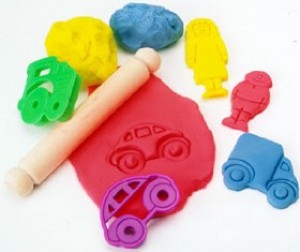
n. Objects made from clay and baked in a kiln.
n.;
Without any delay, on the morrow I sat on the judgment seat. Acts xxv. 17. [ 1913 Webster ]
The government ought to be settled without the delay of a day. Macaulay. [ 1913 Webster ]
v. t.
My lord delayeth his coming. Matt. xxiv. 48. [ 1913 Webster ]
Thyrsis! whose artful strains have oft delayed
The huddling brook to hear his madrigal. Milton. [ 1913 Webster ]
The watery showers delay the raging wind. Surrey. [ 1913 Webster ]
v. i. To move slowly; to stop for a time; to linger; to tarry. [ 1913 Webster ]
There seem to be certain bounds to the quickness and slowness of the succession of those ideas, . . . beyond which they can neither delay nor hasten. Locke. [ 1913 Webster ]
n. One who delays; one who lingers. [ 1913 Webster ]
adv. By delays. [ R. ] Tennyson. [ 1913 Webster ]
n. Hindrance. [ Obs. ] Gower. [ 1913 Webster ]
v. t.
The northern wind his wings did broad display. Spenser. [ 1913 Webster ]
His statement . . . displays very clearly the actual condition of the army. Burke. [ 1913 Webster ]
Proudly displaying the insignia of their order. Prescott. [ 1913 Webster ]
And from his seat took pleasure to display
The city so adorned with towers. Chapman.
v. i. To make a display; to act as one making a show or demonstration. Shak. [ 1913 Webster ]
n.
Having witnessed displays of his power and grace. Trench. [ 1913 Webster ]
He died, as erring man should die,
Without display, without parade. Byron. [ 1913 Webster ]
a.
n. One who, or that which, displays. [ 1913 Webster ]
n. the lowest region of the ionosphere (35 to 50 miles up) that reflects low-frequency radio waves.
n. [ Gr. &unr_; olive oil, oil + yl. ] (Chem.) Olefiant gas or ethylene; -- so called by Berzelius from its forming an oil combining with chlorine.
v. t. See Inlay. [ 1913 Webster ]
n. a heat-resistant clay. [ WordNet 1.5 ]
v. t.
With her nails
She 'll flay thy wolfish visage. Shak. [ 1913 Webster ]
n. One who strips off the skin. [ 1913 Webster ]
v. t.
These grounds being forelaid and understood. Mede. [ 1913 Webster ]
v. t. [ Pref. for- + lay. ] To lie in wait for; to ambush. [ 1913 Webster ]
An ambushed thief forlays a traveler. Dryden. [ 1913 Webster ]
n. A claymore. Johnson. [ 1913 Webster ]
n. An instance of the firing of small arms with the intent to kill or frighten.
a. [ Skr. himālaya, prop., the abode of snow. ] Of or pertaining to the Himalayas, the great mountain chain in Asia. [ 1913 Webster ]
n. Rude, boisterous play. [ 1913 Webster ]
Too much given to horseplay in his raillery. Dryden. [ 1913 Webster ]
v. t.
Look, how the floor of heaven
Is thick inlaid with patines of bright gold. Shak. [ 1913 Webster ]
But these things are . . . borrowed by the monks to inlay their story. Milton. [ 1913 Webster ]

'%3e%3cpath%20d='M13.7001%2011.6957H3.30006C3.08006%2011.6957%202.90006%2011.8733%202.90006%2012.0904V12.8799C2.90006%2013.097%203.08006%2013.2746%203.30006%2013.2746H13.7001C13.9201%2013.2746%2014.1001%2013.097%2014.1001%2012.8799V12.0904C14.1001%2011.8733%2013.9201%2011.6957%2013.7001%2011.6957ZM15.3001%203.80096C14.6376%203.80096%2014.1001%204.33139%2014.1001%204.98517C14.1001%205.16034%2014.1401%205.32317%2014.2101%205.47366L12.4001%206.54438C12.0151%206.77136%2011.5176%206.64307%2011.2951%206.2582L9.25756%202.74011C9.52506%202.523%209.70006%202.19734%209.70006%201.82728C9.70006%201.17349%209.16256%200.643066%208.50006%200.643066C7.83756%200.643066%207.30006%201.17349%207.30006%201.82728C7.30006%202.19734%207.47506%202.523%207.74256%202.74011L5.70506%206.2582C5.48256%206.64307%204.98256%206.77136%204.60006%206.54438L2.79256%205.47366C2.86006%205.32563%202.90256%205.16034%202.90256%204.98517C2.90256%204.33139%202.36506%203.80096%201.70256%203.80096C1.04006%203.80096%200.500061%204.33139%200.500061%204.98517C0.500061%205.63895%201.03756%206.16938%201.70006%206.16938C1.76506%206.16938%201.83006%206.15951%201.89256%206.14965L3.70006%2010.9062H13.3001L15.1076%206.14965C15.1701%206.15951%2015.2351%206.16938%2015.3001%206.16938C15.9626%206.16938%2016.5001%205.63895%2016.5001%204.98517C16.5001%204.33139%2015.9626%203.80096%2015.3001%203.80096Z'%20fill='%23FFE713'/%3e%3c/g%3e%3cdefs%3e%3cclipPath%20id='clip0_3472_3618'%3e%3crect%20width='16'%20height='12.6316'%20fill='white'%20transform='translate(0.500061%200.643066)'/%3e%3c/clipPath%3e%3c/defs%3e%3c/svg%3e)