
Image:
n. [ F. altruisme (a word of Comte's), It. altrui of or to others, fr. L. alter another. ] Regard for others, both natural and moral; devotion to the interests of others; brotherly kindness; -- opposed to
n. One imbued with altruism; -- opposed to
a. [ Cf. F. altruiste, a. See Altruism.. ] Regardful of others; beneficent; unselfish; -- opposed to
. (Nav.) A man-of-war carrying a large coal supply, and more or less protected from the enemy's shot by iron or steel armor. There is no distinct and accepted classification distinguishing armored and protected cruisers from each other, except that the first have more or heavier armor than the second. [ Archaic ] [ Webster 1913 Suppl. ]
n.
n. (Bot.)
n. [ D. bruin brown. In the epic poem of “Reynard the Fox” the bear is so called from his color. See Brown, a. ] A bear; -- so called in popular tales and fables. [ 1913 Webster ]
v. t.
Nor bruise her flowerets with the armed hoofs. Shak. [ 1913 Webster ]
v. i. To fight with the fists; to box. [ 1913 Webster ]
Bruising was considered a fine, manly, old English custom. Thackeray. [ 1913 Webster ]
n. An injury to the flesh of animals, or to plants, fruit, etc., with a blunt or heavy instrument, or by collision with some other body; a contusion;
From the sole of the foot even unto the head there is no soundness in it; but wounds, and bruises. Isa. i. 6. [ 1913 Webster ]
adj. suffering from emotional injury;
n.
big bruiser. R. Browning. [ 1913 Webster ]
Like a new bruiser on Broughtonic sand,
Amid the lists our hero takes his stand. T. Warton. [ 1913 Webster ]
n. A plant supposed to heal bruises, as the true daisy, the soapwort, and the comfrey. [ 1913 Webster ]
n. [ OE. bruit, brut, noise, bruit, F. bruit, fr. LL. brugitus; cf. L. rugire to roar; perh. influenced by the source of E. bray to make a harsh noise, Armor. brud bruit. ]
The bruit thereof will bring you many friends. Shak. [ 1913 Webster ]
v. t.
I find thou art no less than fame hath bruited. Shak. [ 1913 Webster ]
n. [ Cf. F. congruisme. ] (Scholastic Theol.) See Congruity. [ 1913 Webster ]
n.;
With what congruity doth the church of Rome deny that her enemies do at all appertain to the church of Christ? Hooker. [ 1913 Webster ]
A whole sentence may fail of its congruity by wanting one particle. Sir P. Sidney. [ 1913 Webster ]
n. (Bot.) A plant of Sierra Leone which yields a wholesome, creamy juice. [ 1913 Webster ]
n. See Cruse, a small bottle. [ 1913 Webster ]
v. i.
☞ A ship cruises in any particular sea or ocean; as, in the Baltic or in the Atlantic. She cruises off any cape; as, off the Lizard; off Ushant. She cruises on a coast; as, on the coast of Africa. A pirate cruises to seize vessels; a yacht cruises for the pleasure of the owner. [ 1913 Webster ]
Ships of war were sent to cruise near the isle of Bute. Macaulay. [ 1913 Webster ]
'Mid sands, and rocks, and storms to cruise for pleasure. Young. [ 1913 Webster ]
v. t.
n.
He feigned a compliance with some of his men, who were bent upon going a cruise to Manilla. Dampier. [ 1913 Webster ]
n. One who, or a vessel that, cruises;
n. A kind of weir or dam for trapping salmon; also, a hovel. [ Scot. ] [ 1913 Webster ]
a. [ Cf. OF. debruisier to shatter, break. Cf. Bruise. ] (Her.) Surmounted by an ordinary;
The lion of England and the lilies of France without the baton sinister, under which, according to the laws of heraldry, they where debruised in token of his illegitimate birth. Macaulay. [ 1913 Webster ]
v. t. To destroy. [ Obs. ] Chaucer. [ 1913 Webster ]
n. Incongruity; disagreement; unsuitableness. Sir M. Hale. [ 1913 Webster ]
n. [ L. Druides; of Celtic origin; cf. Ir. & Gael. draoi, druidh, magician, Druid, W. derwydd Druid. ]
☞ The Druids superintended the affairs of religion and morality, and exercised judicial functions. They practiced divination and magic, and sacrificed human victims as a part of their worship. They consisted of three classes; the bards, the vates or prophets, and the Druids proper, or priests. Their most sacred rites were performed in the depths of oak forests or of caves. [ 1913 Webster ]
Druid stones,
n. A female Druid; a prophetess.
Druidical circles.
a. Druidic. [ 1913 Webster ]
n. The system of religion, philosophy, and instruction, received and taught by the Druids; the rites and ceremonies of the Druids. [ 1913 Webster ]
v. t. To bruise sorely or exceedingly. [ Obs. ] [ 1913 Webster ]
All forbrosed, both back and side. Chaucer. [ 1913 Webster ]
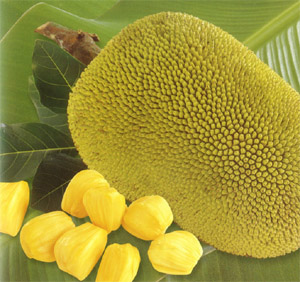
n. [ OE. fruit, frut, F. fruit, from L. fructus enjoyment, product, fruit, from frui, p. p. fructus, to enjoy; akin to E. brook, v. t. See Brook, v. t., and cf. Fructify, Frugal. ]
Six years thou shalt sow thy land, and shalt gather in the
fruits thereof. Ex. xxiii. 10. [ 1913 Webster ]
☞ Fruits are classified as fleshy, drupaceous, and dry.
King Edward's fruit, true heir to the English crown. Shak. [ 1913 Webster ]
The fruit of rashness. Shak. [ 1913 Webster ]
What I obtained was the fruit of no bargain. Burke. [ 1913 Webster ]
They shall eat the fruit of their doings. Is. iii 10. [ 1913 Webster ]
The fruits of this education became visible. Macaulay. [ 1913 Webster ]
☞ Fruit is frequently used adjectively, signifying of, for, or pertaining to a fruit or fruits; as, fruit bud; fruit frame; fruit jar; fruit knife; fruit loft; fruit show; fruit stall; fruit tree; etc. [ 1913 Webster ]
Fruit bat (Zool.),
Fruit bud (Bot.),
Fruit dot (Bot.),
Fruit fly (Zool.),
Fruit jar,
Fruit pigeon (Zool.),
Fruit sugar (Chem.),
Fruit tree (Hort.),
Fruit worm (Zool.),
Small fruits (Hort.),
v. i. To bear fruit. Chesterfield. [ 1913 Webster ]
n. [ F. fruitage. ]
The trees . . . ambrosial fruitage bear. Milton. [ 1913 Webster ]
a. A ship for carrying fruit. [ 1913 Webster ]
n. [ Cf. F. fruitier. ] One who deals in fruit; a seller of fruits. [ 1913 Webster ]
n. A woman who sells fruit. [ 1913 Webster ]
n.;
n. A fruiteress. [ Obs. ] [ 1913 Webster ]
a. Full of fruit; producing fruit abundantly; bearing results; prolific; fertile; liberal; bountiful;
Be fruitful and multiply and replenish the earth. Gen. i. 28. [ 1913 Webster ]
[ Nature ] By disburdening grows
More fruitful. Milton. [ 1913 Webster ]
The great fruitfulness of the poet's fancy. Addison.
a. Pertaining to, or producing, fruit. [ 1913 Webster ]
n. The bearing of fruit. [ 1913 Webster ]
n. [ OF. fruition, L. fruitio, enjoyment, fr. L. frui, p. p. fruitus, to use or enjoy. See Fruit, n. ] Use or possession of anything, especially such as is accompanied with pleasure or satisfaction; pleasure derived from possession or use. “Capacity of fruition.” Rogers. “Godlike fruition.” Milton. [ 1913 Webster ]
Where I may have fruition of her love. Shak. [ 1913 Webster ]
a. [ See Fruition. ] Enjoying; possessing. [ Obs. ] Boyle. [ 1913 Webster ]
a.
They in mutual accusation spent
The fruitless hours. Milton.
--
a. Having the odor, taste, or appearance of fruit; also, fruitful. Dickens. [ 1913 Webster ]
n.
. The shaddock. [ 1913 Webster ]


'%3e%3cpath%20d='M13.7001%2011.6957H3.30006C3.08006%2011.6957%202.90006%2011.8733%202.90006%2012.0904V12.8799C2.90006%2013.097%203.08006%2013.2746%203.30006%2013.2746H13.7001C13.9201%2013.2746%2014.1001%2013.097%2014.1001%2012.8799V12.0904C14.1001%2011.8733%2013.9201%2011.6957%2013.7001%2011.6957ZM15.3001%203.80096C14.6376%203.80096%2014.1001%204.33139%2014.1001%204.98517C14.1001%205.16034%2014.1401%205.32317%2014.2101%205.47366L12.4001%206.54438C12.0151%206.77136%2011.5176%206.64307%2011.2951%206.2582L9.25756%202.74011C9.52506%202.523%209.70006%202.19734%209.70006%201.82728C9.70006%201.17349%209.16256%200.643066%208.50006%200.643066C7.83756%200.643066%207.30006%201.17349%207.30006%201.82728C7.30006%202.19734%207.47506%202.523%207.74256%202.74011L5.70506%206.2582C5.48256%206.64307%204.98256%206.77136%204.60006%206.54438L2.79256%205.47366C2.86006%205.32563%202.90256%205.16034%202.90256%204.98517C2.90256%204.33139%202.36506%203.80096%201.70256%203.80096C1.04006%203.80096%200.500061%204.33139%200.500061%204.98517C0.500061%205.63895%201.03756%206.16938%201.70006%206.16938C1.76506%206.16938%201.83006%206.15951%201.89256%206.14965L3.70006%2010.9062H13.3001L15.1076%206.14965C15.1701%206.15951%2015.2351%206.16938%2015.3001%206.16938C15.9626%206.16938%2016.5001%205.63895%2016.5001%204.98517C16.5001%204.33139%2015.9626%203.80096%2015.3001%203.80096Z'%20fill='%23FFE713'/%3e%3c/g%3e%3cdefs%3e%3cclipPath%20id='clip0_3472_3618'%3e%3crect%20width='16'%20height='12.6316'%20fill='white'%20transform='translate(0.500061%200.643066)'/%3e%3c/clipPath%3e%3c/defs%3e%3c/svg%3e)