


Image:
a. [ L. algidus cold, fr. algere to be cold: cf. F. algide. ]
Algid cholera (Med.),
n. Chilliness; coldness;
n. Algidity. [ Obs. ] [ 1913 Webster ]
n. a natural family inclusing the mole rats and sand rats.
n. [ L. capris goat + mulgere to milk. ] a widely distributed natural family of nocturnally active birds including the
The family . . . is alternately known as the nightjars (derived from the "churring" sounds of several species -- "jarring" the night air), or goatsuckers, a nonsense name that should be discontinued as it has its origin in the preposterous myth that the birds sucked the milk of nanny goats until they were dry. Terence Michael Short (Wild Birds of the Americas)
adj. of or pertaining to the
n. any fish of the family
n.
‖n. [ Sp., orig., a corrector. ] The chief magistrate of a Spanish town. [ 1913 Webster ]
a. [ L. frigidus, fr. frigere to be cold; prob. akin to Gr. &unr_; to shudder, or perh. to &unr_; cold. Cf. Frill. ]
Frigid zone,
‖n.;
n. [ L. frigiditas: cf. F. frigidité. ]
Ice is water congealed by the frigidity of the air. Sir T. Browne. [ 1913 Webster ]
adv. In a frigid manner; coldly; dully; without affection. [ 1913 Webster ]
n. The state of being frigid; want of heat, vigor, or affection; coldness; dullness.
a. [ L. fulgidus. See Fulgent. ] Shining; glittering; dazzling. [ R. ] Pope. [ 1913 Webster ]
n. Splendor; resplendence; effulgence. [ R. ] Bailey. [ 1913 Webster ]
n. [ Cf. Giddy, a. ] A disease of sheep, characterized by vertigo; the staggers. It is caused by the presence of the C&unr_;nurus, a larval tapeworm, in the brain. See C&unr_;nurus. [ 1913 Webster ]
adv. In a giddy manner. [ 1913 Webster ]
n. The quality or state of being giddy. [ 1913 Webster ]
a.
By giddy head and staggering legs betrayed. Tate. [ 1913 Webster ]
Upon the giddy footing of the hatches. Shak. [ 1913 Webster ]
The giddy motion of the whirling mill. Pope. [ 1913 Webster ]
Young heads are giddy and young hearts are warm. Cowper. [ 1913 Webster ]
v. i. To reel; to whirl. Chapman. [ 1913 Webster ]
v. t. To make dizzy or unsteady. [ Obs. ] [ 1913 Webster ]
n. A person without thought fulness, prudence, or judgment. [ Colloq. ] Burton. [ 1913 Webster ]
a. Thoughtless; unsteady. [ 1913 Webster ]
a. Moving irregularly; flighty; fickle. [ R. ] Shak. [ 1913 Webster ]
v. t. [ L. infrigidatus, p. p. of infrigidare to chill. See 1st In-, and Frigid. ] To chill; to make cold; to cool. [ Obs. ] Boyle. [ 1913 Webster ]
n. [ L. infrigidatio. ] The act of chilling or causing to become cold; a chilling; coldness; congelation. [ Obs. ] Boyle. [ 1913 Webster ]
prop. n. (Zool.) A natural family of New World anteaters.
adj. (Aeronautics) Not rigid; especially, designating an airship having a shape maintained only by internal gas pressure and without a supporting structure. Opposite of
a. Too rigid; too severe. [ 1913 Webster ]
n.;
‖n.;
‖n.;
a. [ L. rigidus, fr. rigere to be stiff or numb: cf. F. rigide. Cf. Rigor. ]
Upright beams innumerable
Of rigid spears. Milton. [ 1913 Webster ]
The more rigid order of principles in religion and government. Hawthorne. [ 1913 Webster ]
n. [ L. rigiditas: cf. F. rigidité. See Rigid. ]
v. In a rigid manner; stiffly. [ 1913 Webster ]
n. The quality or state of being rigid. [ 1913 Webster ]
a. [ Dim. from rigid. ] (Bot.) Somewhat rigid or stiff;
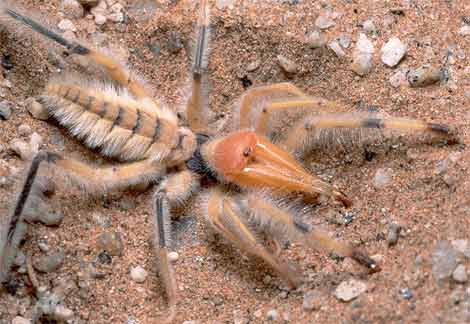
a. (Zool.) Of or pertaining to the Solifugae. --
‖n. pl. [ NL. See Solifugae. ] (Zool.) Same as Solifugae. [ 1913 Webster ]
n. (Zool.) A sphinx. [ 1913 Webster ]
a. Of or pertaining to a sphinx, or the family
n.[ L. sphragis, -idis, Lemnian earth, fr. Gr. &unr_;&unr_;&unr_;, &unr_;&unr_;&unr_;, a seal; -- so called because sold in sealed packets. ] (Min.) Lemnian earth. [ 1913 Webster ]
‖n. pl. [ NL. ] Spongiae. [ 1913 Webster ]
a. Somewhat rigid or stiff. [ 1913 Webster ]
a. (Zool.) Of or pertaining to the genus Tingis. [ 1913 Webster ]
a. [ L. turgidus, from turgere to swell. ]
A bladder . . . held near the fire grew turgid. Boyle. [ 1913 Webster ]
--
n. The quality or state of being turgid. [ 1913 Webster ]
a. Turgid. [ Obs. ] B. Jonson. [ 1913 Webster ]

'%3e%3cpath%20d='M13.7001%2011.6957H3.30006C3.08006%2011.6957%202.90006%2011.8733%202.90006%2012.0904V12.8799C2.90006%2013.097%203.08006%2013.2746%203.30006%2013.2746H13.7001C13.9201%2013.2746%2014.1001%2013.097%2014.1001%2012.8799V12.0904C14.1001%2011.8733%2013.9201%2011.6957%2013.7001%2011.6957ZM15.3001%203.80096C14.6376%203.80096%2014.1001%204.33139%2014.1001%204.98517C14.1001%205.16034%2014.1401%205.32317%2014.2101%205.47366L12.4001%206.54438C12.0151%206.77136%2011.5176%206.64307%2011.2951%206.2582L9.25756%202.74011C9.52506%202.523%209.70006%202.19734%209.70006%201.82728C9.70006%201.17349%209.16256%200.643066%208.50006%200.643066C7.83756%200.643066%207.30006%201.17349%207.30006%201.82728C7.30006%202.19734%207.47506%202.523%207.74256%202.74011L5.70506%206.2582C5.48256%206.64307%204.98256%206.77136%204.60006%206.54438L2.79256%205.47366C2.86006%205.32563%202.90256%205.16034%202.90256%204.98517C2.90256%204.33139%202.36506%203.80096%201.70256%203.80096C1.04006%203.80096%200.500061%204.33139%200.500061%204.98517C0.500061%205.63895%201.03756%206.16938%201.70006%206.16938C1.76506%206.16938%201.83006%206.15951%201.89256%206.14965L3.70006%2010.9062H13.3001L15.1076%206.14965C15.1701%206.15951%2015.2351%206.16938%2015.3001%206.16938C15.9626%206.16938%2016.5001%205.63895%2016.5001%204.98517C16.5001%204.33139%2015.9626%203.80096%2015.3001%203.80096Z'%20fill='%23FFE713'/%3e%3c/g%3e%3cdefs%3e%3cclipPath%20id='clip0_3472_3618'%3e%3crect%20width='16'%20height='12.6316'%20fill='white'%20transform='translate(0.500061%200.643066)'/%3e%3c/clipPath%3e%3c/defs%3e%3c/svg%3e)