
Chinese Characters: Make-Me-a-Hanzi Dictionary [with local updates] Make-Me-a-Hanzi Dictionary


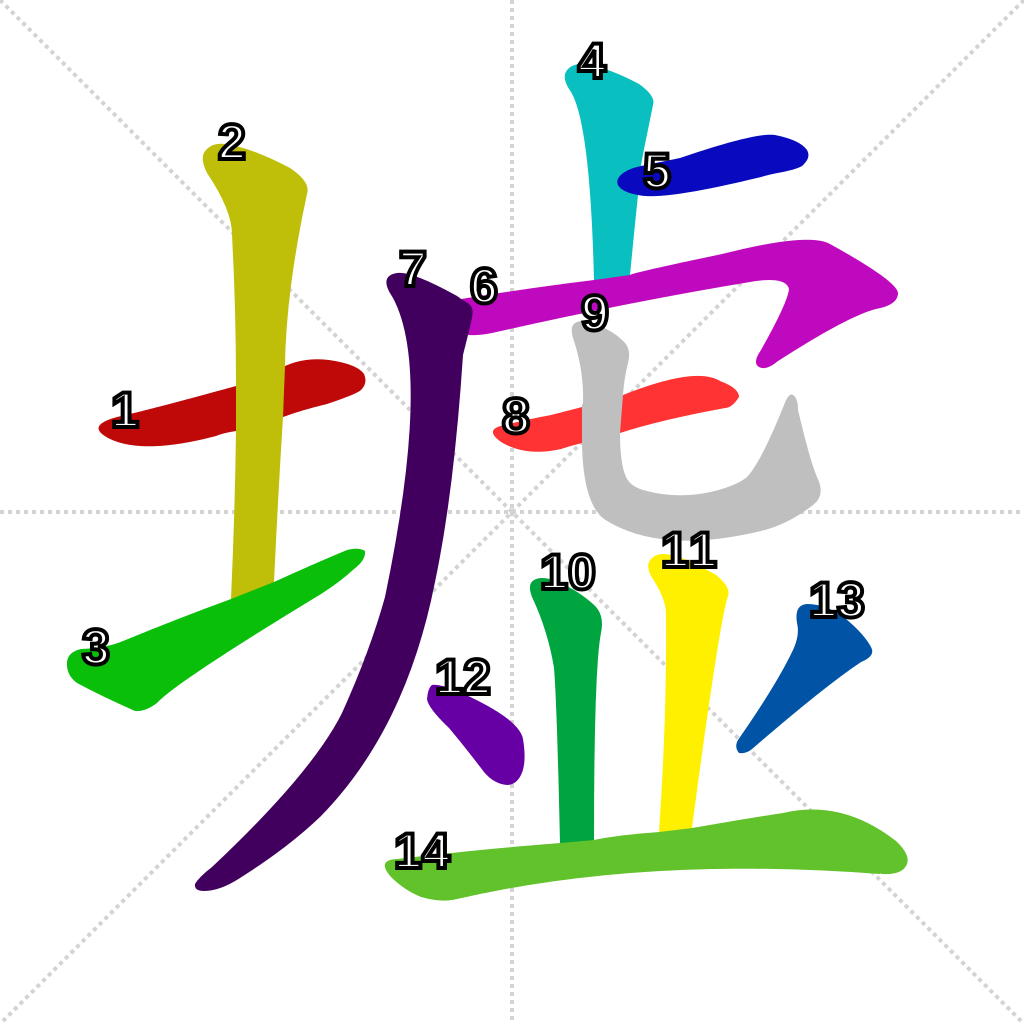


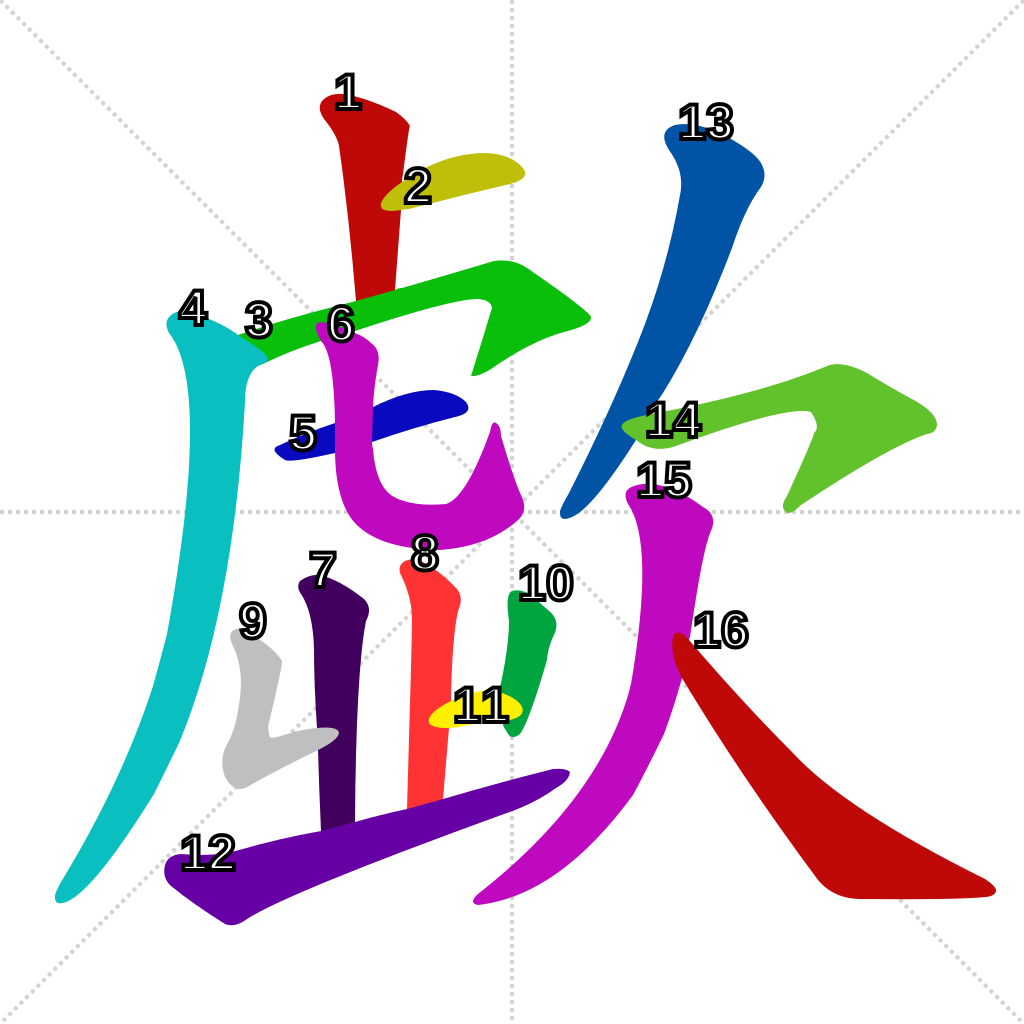
虚
戯
嘘
Chinese-English: CC-CEDICT Dictionary CC-CEDICT CN-EN Dictionary
Japanese-Thai: Longdo Dictionary (UNAPPROVED version -- use with care ) Longdo Unapproved JP-TH **ระวัง คำแปลอาจมีข้อผิดพลาด**
謙虚
[けんきょ] ความอ่อนน้อม, ความนอบน้อมถ่อมตน
虚像
[きょぞう] (n) ภาพเหมือน, คนหน้าเหมือน, คนแต่งตัวเหมือน
Japanese-English: EDICT Dictionary EDICT JP-EN Dictionary
[きょ, kyo] (n) (1) unpreparedness; (2) falsehood; (3) (See 二十八宿) Chinese "Emptiness" constellation (one of the 28 mansions) #12272
[きょぎ, kyogi] (n, adj-no, vs) untrue; falsehood; fiction; deception; vanity; (P) #6141
[うろ, uro] (n) hollow; cavity; hole #12272
[きょこう, kyokou] (n) (1) fiction; fabrication; concoction; (adj-no) (2) fictitious; fictional; imaginary; (P) #19497
[とみてぼし, tomiteboshi] (n) (See 虚・きょ・3) Chinese "Emptiness" constellation (one of the 28 mansions)
[いっきょいちじつ, ikkyoichijitsu] (n) constantly changing phase and being highly unpredictable
[えいきょ, eikyo] (n, vs) (1) (See 盈虧) waxing and waning of the moon; phase of the moon; (2) rising and falling (of fortune)
[きょきょじつじつ, kyokyojitsujitsu] (n, adj-no) full of wiles and tricks; match between persons equal in shrewdness mobilizing all the tricks each can muster; shrewdly avoiding the opponent's strong points and attacking its weaknesses
[むなしいめいせい, munashiimeisei] (n) empty name
[きょにじょうずる, kyonijouzuru] (exp, vz) (obsc) to catch off guard
[うつろ, utsuro] (adj-na, n) blank; cavity; hollow; empty (space)
[うつろなひょうじょう, utsuronahyoujou] (exp, n) vacant expression (on one's face); blank expression
[うつろなめ, utsuroname] (n) vacant eyes
[きょをつく, kyowotsuku] (exp, v5k) to attack the enemy in his unguarded moment
[きょい, kyoi] (n) nominal rank
[きょえい, kyoei] (n) vanity; vainglory; (P)
[きょえいしん, kyoeishin] (n) vanity; (P)
[こけ, koke] (n) folly; fool
[こけにする, kokenisuru] (exp, vs-i) to make a fool of someone
[こけおどし(虚仮威し);コケおどし(コケ威し), kokeodoshi ( kyo kari i shi ); koke odoshi ( koke i shi )] (n) bluff; showing off
[こけざる, kokezaru] (n) foolish monkey
[きょがく, kyogaku] (n) (See 文学) the soft sciences (social science, humanities, etc.)
[きょきょじつじつのたたかい, kyokyojitsujitsunotatakai] (exp) match between persons equal in shrewdness
[きょぎょう, kyogyou] (n) risky business
[こくう, kokuu] (n) empty space; empty sky; (P)
[こくうぞう, kokuuzou] (n) Akasagarbha (bodhisattva); the Receptacle of Void
[こくうぞうぼさつ, kokuuzoubosatsu] (n) { Buddh } Akasagarbha (bodhisattva)
[きょけつせい, kyoketsusei] (adj-no) ischemic
[きょげん, kyogen] (n) falsehood
[きょげんしょう, kyogenshou] (n) mythomania
[きょこん, kyokon] (n) { math } imaginary root
[きょじ, kyoji] (n) kanji representing verb or adjective
[きょじ, kyoji] (n) falsehood
[きょしき, kyoshiki] (n) imaginary expression
[きょじつ, kyojitsu] (n) truth or falsehood
[きょじつこんこう, kyojitsukonkou] (n) mishmash of truth and untruth; mixture of fiction and fact
[きょじつひまく, kyojitsuhimaku] (exp) the difference between truth and fiction in art being very subtle; Art abides in a realm that is neither truth nor fiction
[きょじゃく, kyojaku] (adj-na, n, adj-no) feebleness; weakness; imbecility; (P)
[きょじゃくじ, kyojakuji] (n) physically weak or sickly child
[きょじゃくたいしつ, kyojakutaishitsu] (n) weak constitution
[きょしゅう, kyoshuu] (n) unidentified craft said to have washed ashore in Ibaraki Prefecture during the Edo period (sometimes alleged to have been a UFO)
[きょしゅう, kyoshuu] (n) empty boat
[きょしょく, kyoshoku] (n, adj-no) ostentation; show; affectation
[きょしん, kyoshin] (adj-na, n) impartiality; (P)
[きょしんたんかい, kyoshintankai] (n) with an open and calm mind; with no preconceived notions; without reserve; frank; candid
[きょしんへいき, kyoshinheiki] (n, adj-na, adj-no) with an open and calm mind; without reserve; with utmost candor; with no preconceived notions
[きょすう, kyosuu] (n) { math } complex number; imaginary part; imaginary number
[きょすうたんい, kyosuutan'i] (n) imaginary unit
[きょせい, kyosei] (n) bluff
[きょせいをはる, kyoseiwoharu] (exp, v5r) to bluff; to act brave
Japanese-German: JDDICT Dictionary JDDICT JP-DE Dictionary
เพิ่มคำศัพท์

ทราบความหมายของคำศัพท์นี้? กด [เพิ่มคำศัพท์] เพื่อใส่คำนี้พร้อมความหมาย เพื่อเป็นวิทยาทานแก่ผู้ใช้ท่านอื่น ๆ


'%3e%3cpath%20d='M13.7001%2011.6957H3.30006C3.08006%2011.6957%202.90006%2011.8733%202.90006%2012.0904V12.8799C2.90006%2013.097%203.08006%2013.2746%203.30006%2013.2746H13.7001C13.9201%2013.2746%2014.1001%2013.097%2014.1001%2012.8799V12.0904C14.1001%2011.8733%2013.9201%2011.6957%2013.7001%2011.6957ZM15.3001%203.80096C14.6376%203.80096%2014.1001%204.33139%2014.1001%204.98517C14.1001%205.16034%2014.1401%205.32317%2014.2101%205.47366L12.4001%206.54438C12.0151%206.77136%2011.5176%206.64307%2011.2951%206.2582L9.25756%202.74011C9.52506%202.523%209.70006%202.19734%209.70006%201.82728C9.70006%201.17349%209.16256%200.643066%208.50006%200.643066C7.83756%200.643066%207.30006%201.17349%207.30006%201.82728C7.30006%202.19734%207.47506%202.523%207.74256%202.74011L5.70506%206.2582C5.48256%206.64307%204.98256%206.77136%204.60006%206.54438L2.79256%205.47366C2.86006%205.32563%202.90256%205.16034%202.90256%204.98517C2.90256%204.33139%202.36506%203.80096%201.70256%203.80096C1.04006%203.80096%200.500061%204.33139%200.500061%204.98517C0.500061%205.63895%201.03756%206.16938%201.70006%206.16938C1.76506%206.16938%201.83006%206.15951%201.89256%206.14965L3.70006%2010.9062H13.3001L15.1076%206.14965C15.1701%206.15951%2015.2351%206.16938%2015.3001%206.16938C15.9626%206.16938%2016.5001%205.63895%2016.5001%204.98517C16.5001%204.33139%2015.9626%203.80096%2015.3001%203.80096Z'%20fill='%23FFE713'/%3e%3c/g%3e%3cdefs%3e%3cclipPath%20id='clip0_3472_3618'%3e%3crect%20width='16'%20height='12.6316'%20fill='white'%20transform='translate(0.500061%200.643066)'/%3e%3c/clipPath%3e%3c/defs%3e%3c/svg%3e)